
In short, no. Many newcomers to the vending machine industry might think that if there is space and people are flowing, they can place a vending machine there. As it turned out, the machine had to be dismantled just a few days after it was installed, and both the money and the time were wasted. This article will guide you through the preliminary steps for setting up a vending machine and show you how to choose a promising location to help minimize your risks
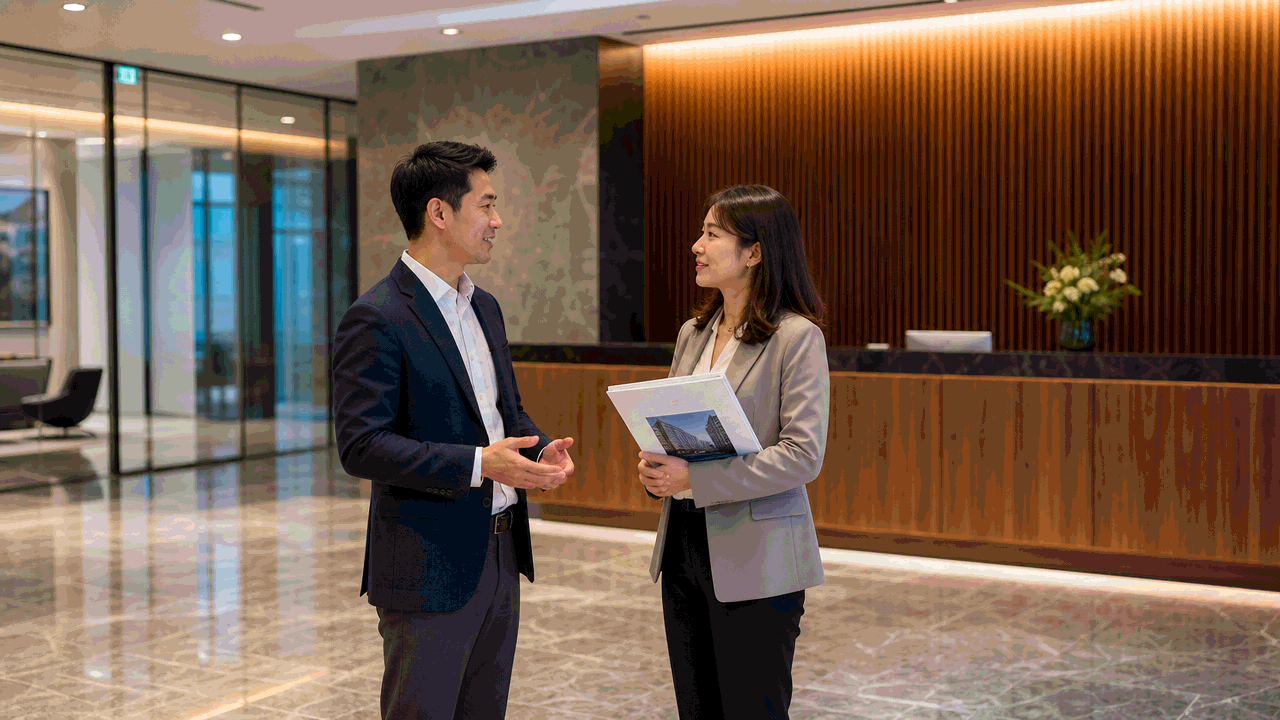
Before placing the vending machine, you need to confirm the following requirements in advance
The specific regulations may vary from country to country and region to region, but most vending machine projects will involve the following aspects.
Obtain permission from the owner or manager of the venue
This is the most crucial step in installing an automatic vending machine. No matter where you want to place the machine – in a shopping center, office building, hospital, school, or enterprise park – the first thing you need to figure out is not whether enough people are passing through this area, but who exactly is in charge of this piece of land. As long as the venue is managed by an individual, a company, or a property management company, you must obtain their formal authorization. Even for some seemingly unattended vacant plots, there is likely an “owner” behind them.
Installing an automatic vending machine without permission may result in being asked to remove the equipment immediately and may also lead to liability for breach of contract or other legal responsibilities. Therefore, before transporting and installing the equipment, please sign a formal cooperation agreement in advance rather than relying on a verbal agreement. The agreement should clearly specify the lease term, revenue distribution, equipment maintenance responsibilities and how to bear costs such as electricity charges to avoid disputes in the future.
Business License
In many countries, running vending machines is considered commercial activity, so it may be necessary to apply for a business license or operation permit. Some regions require the operator to complete business registration before starting the business, while others require different types of licenses based on the types of goods being sold. Selling food and beverages may involve food management requirements, while selling electronic products, daily necessities, etc., may be subject to different regulations. In some countries of the European Union, vending machines, in addition to site permission, also require more detailed food labels and energy efficiency marking requirements.
Zoning planning
Rules can vary wildly, even from one part of the city to the other. Vending machines can, for example, be randomly located in some areas but not in others. Commercial areas, industrial areas and residential areas have very different tolerance for commercial facilities. Commercial or industrial facilities such as office buildings, shopping malls and factories typically enjoy relatively lax approval processes. But if you want to put machines in a purely residential neighborhood, many places will have other restrictions such as hours of operation, noise and appearance, or even prohibit their placement altogether. As for public roads, parks, subway stations and other public spaces which are under the jurisdiction of the government, they generally need government approval or bidding processes.
As policies are different from country, state, province or even city to city, it’s best to check the latest requirements with local government departments or relevant agencies beforehand. Do not rely solely on the experience from other regions.
Ensure that the equipment complies with safety requirements
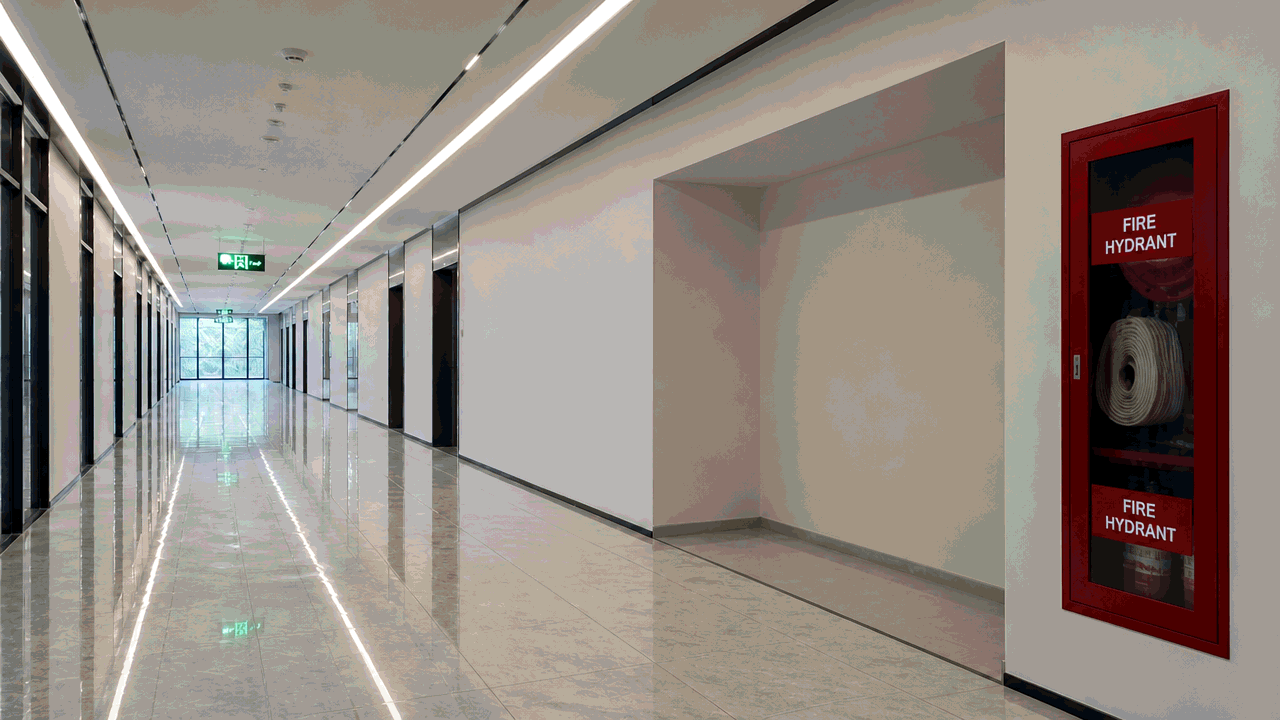
Vending machines need power all the time. Where you put them has to follow local rules about electricity and safety. The vending machines should not be in the way of emergency exits or fire escape routes. They should not block people from walking through the building. Some buildings have rules about how heavy or big the vending machines can be and what kind of power they use. This is especially true in places like hospitals, schools and airports where the rulesre really strict.
If you want to put your vending machine you have to think about keeping it dry protecting it from the sun and keeping people from stealing it. You also have to follow rules, about putting things outside. This way your vending machine will work properly for a time. Vending machines need to be taken care of. This is especially true when they are outside. Vending machines have to be installed so they do not cause any problems.
How to choose a legal and profitable location for an automatic vending machine?
A truly successful vending machine project is rarely based on luck; rather, it is largely founded on thorough research. Before you formally sign the contract and install the equipment, it might be a good idea to make a checklist for yourself.
- Site approval
- Business operation license, sales tax license
- Food operation license (if selling food-related items)
- Whether the goods are subject to special regulations
- Zoning plan for the area
- Power supply and network
- Accessible passage
- Equipment placement dimensions Fire safety
You should clearly confirm these matters, and you will basically be able to avoid most problems. After confirming these issues, assess whether this location has stable traffic. The traffic here is not just about the quantity, but more importantly, the quality. Whether the people passing by have consumption demands, whether their stay time is sufficient, and whether the age structure matches the products you sell – all these will directly affect the final sales volume.
At the same time, do not ignore the competitive landscape. If there are already many convenience stores, supermarkets or other vending machines in the same area, you should think about what differentiated value your equipment can bring. Rich product assortment, more convenient payment methods or products better suited to the needs of the scene – all these can be important factors in attracting consumers.
You need to concentrate on cost too. The profit of the project is determined by the rent, electricity bills, frequency of replenishment, transportation costs and maintenance fees. Sometimes, an area with cheaper rent but consistent foot traffic is a more worthwhile investment than a popular business district with high foot traffic.
You are just starting out in the vending machine industry, think about starting with a small number of devices and running them for a few months to see how the sales situation is going. Then decide whether to scale up the deployment.” This approach lowers the risks of investment and helps you get a better understanding of the business success at different locations.
Which places are usually suitable for installing vending machines?
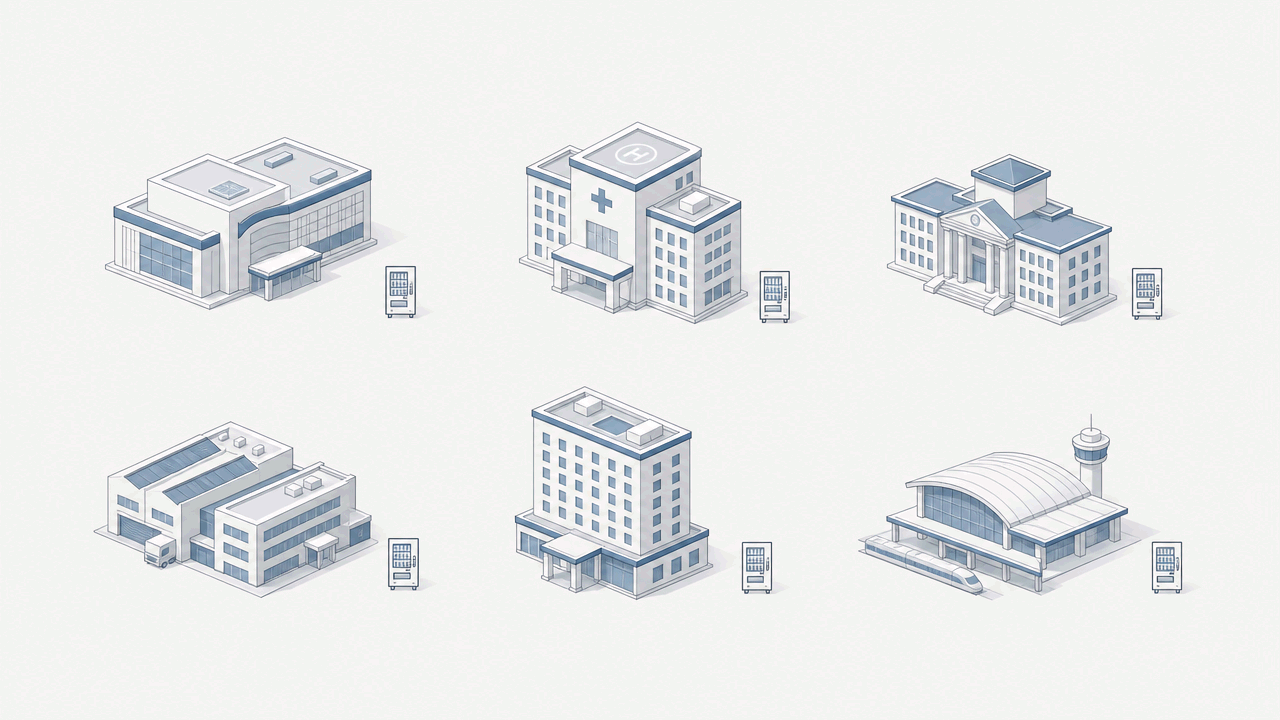
Although regulations vary from country to country, from the perspective of the global development of unmanned retail, the following types of places are usually more likely to have stable business opportunities and possess higher commercial value.
Malls and shopping centers
Malls have a continuous flow of people and are worthy of your priority consideration as a placement location. When customers are shopping, resting, or waiting for their companions, they are more likely to have consumption needs. If the products sold by the equipment match the customer group of the mall, it is usually able to achieve good sales opportunities. However, malls have higher requirements for brand image, equipment size, and operation and maintenance, so before cooperation, it is necessary to fully communicate about the installation location, business hours, and daily management methods.
Hospitals and medical institutions
Hospitals have a continuous flow of patients, accompanying personnel, and medical staff throughout the day, and have a high demand for convenient shopping. Therefore, it is also a common application scenario for vending machines. Besides beverages and snacks, in some regions, masks, care products, or other goods that meet the requirements will also be sold. Due to the stricter requirements for fire protection, safety, and hygiene management in medical facilities, before installing the equipment, it is necessary to confirm the property management regulations and relevant licensing requirements to avoid affecting the normal medical order.
Schools and educational institutions
Schools have always been an important application scenario for vending machines. University campuses, vocational colleges, and training institutions usually have a stable flow of people, and students and staff have continuous demands for beverages, snacks, stationery, and daily necessities. If the equipment can be placed near teaching buildings, libraries, dormitories, or public rest areas, it is more likely to have a high usage frequency. However, some educational institutions usually have their own supplier management systems. Some schools will limit the types of goods or require suppliers to meet campus food safety standards. Therefore, before cooperating with schools, it is recommended to first understand the procurement process and goods management requirements of the school.
Office buildings and enterprise parks
For many office workers, vending machines can provide a quick and convenient shopping experience, especially during breaks, overtime, or meetings. Therefore, office buildings, technology parks, and industrial parks have been relatively mature placement scenarios.
If there are few commercial facilities near the office area, the advantages of vending machines will be more obvious. Besides beverages and snacks, you can adjust the product mix according to the needs of the office population.
Apartment and residential communities
With the development of unmanned retail, more and more residential communities are introducing vending machines to provide residents with 24/7 daily shopping services. For communities that are far from convenience stores or have fewer commercial facilities at night, vending machines can effectively meet the purchasing needs of residents. If you plan to enter residential communities, it is recommended to communicate with the property management or community administrators first to understand the equipment installation regulations, power access conditions, and later maintenance requirements. At the same time, the selection of goods should mainly focus on high-frequency consumer goods to avoid long sales cycles that lead to inventory accumulation.
Hotels and tourist places
Hotel lobbies, public areas on floors, resorts, and tourist centers of scenic spots are also common placement locations for vending machines. Tourists usually value shopping convenience and have demands for beverages, snacks, travel supplies, charging accessories, and personal care products.
Transport hubs
Airports, railway stations, subway stations, and bus transfer centers have a large number of passengers passing through every day, which is an important application scenario for vending machines. However, these places are usually uniformly managed by professional operating units, and have higher requirements for equipment brand, operation qualifications, safety standards, and maintenance capabilities. If you plan to enter transportation hubs, it is recommended to understand the bidding or cooperation process in advance, rather than directly contacting the on-site managers to install the equipment.
Final Thoughts
You may not be able to place an automatic vending machine at will, but as long as you are prepared and obtain the necessary permission, the opportunities are limitless. If you are looking for an intelligent automatic vending machine solution suitable for the market, Yunyin can provide you with one-stop support from equipment customization, production manufacturing to project implementation, helping your unmanned retail business enter the market faster.
FAQ
When cooperating with the venue, what kinds of cooperation methods are usually adopted?
Common methods include fixed rent, sales sharing, and a combination of both. Different venues call for different cooperation models. Negotiate with the venue provider based on your expected sales volume, rental budget and your long term business plan.
Do vending machines need to purchase commercial insurance?
There are many areas that do not have unified requirements. However, commercial liability insurance and equipment insurance can help mitigate operational risks arising from equipment damage, accidents, or third-party liabilities. For long-term operation projects, this is a worthwhile safeguard to consider.
If the sales of a certain location are poor, can the vending machine be moved away at any time?
This depends on the cooperation agreement you have signed with the venue owner. Some contracts allow for the early termination of the cooperation, while others stipulate a minimum cooperation period. Therefore, before signing the contract, you should carefully confirm the relevant terms.
Should beginners purchase large vending machines or small ones?
If the budget is limited or the market is still being tested, small devices usually make it easier to control the investment cost and are more convenient for subsequent adjustments of the position. When the business model becomes mature, it would be more prudent to gradually increase the number of devices based on actual needs.
How many times do you have to fill up an automatic vending machine?
Restocking doesn’t have a standard set of times. It depends mainly on sales volume, variety of product and equipment capacity.Once the sales data is stable, you can formulate a more reasonable restocking plan based on the inventory situation to improve operational efficiency.
How to select the right products for sales in different scenarios?
It is recommended to make the configuration based on the target consumer group. For example, in office buildings, coffee and ready-to-eat food can be added; in schools, beverages, snacks and stationery are more suitable; in hotels, travel supplies and personal care products can be included. The more the products match the scenarios, the better the sales effect is usually.
What kind of support can vending machine manufacturers provide?
Professional manufacturers usually not only offer equipment, but also can provide customized equipment, payment system configuration, appearance design, remote management system, and after-sales technical support based on your project requirements, helping you start the vending machine business more quickly. Yunyin can provide customized models, OEM branding, and experience support in terms of site compliance according to the regulatory characteristics of your target market.
Does Yunyin support the overseas vending machine project?
Sure. Yunyin specializes in the design, research and development, production and manufacturing of intelligent vending machines. It can provide OEM/ODM customized services according to the needs of different countries and industries. It supports a variety of payment methods, multi-language systems and various equipment solutions for different types of products, which help you operate unmanned retail business more efficiently.