
As the number of your vending machine locations increases, inventory management often evolves from a minor issue to a major problem that hinders the overall operational efficiency. Out-of-stock situations, slow sales, and expiration losses – these seemingly isolated minor troubles, when accumulated, will directly affect your customer experience. The inventory management of vending machines will directly impact the frequency of shortages, the efficiency of replenishment, and the amount of waste in goods. It is also the key foundation for whether you can steadily expand your business.
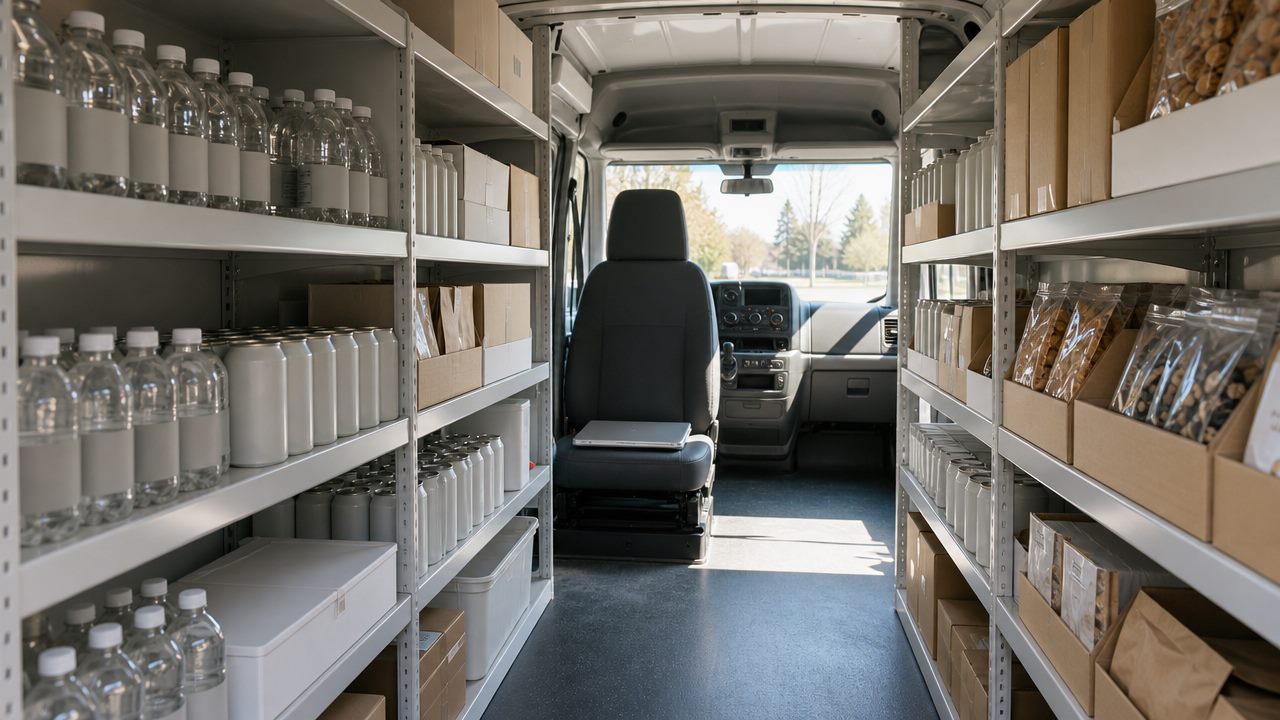
What is vending machine inventory management
It is the entire process of monitoring, restocking, analyzing, and optimizing the inventory inside vending machines to improve efficiency and reduce operational losses. It provides you with a clearer understanding of which products are in stock, which are about to run out, and which machines require maintenance—all without the need for manual checks.
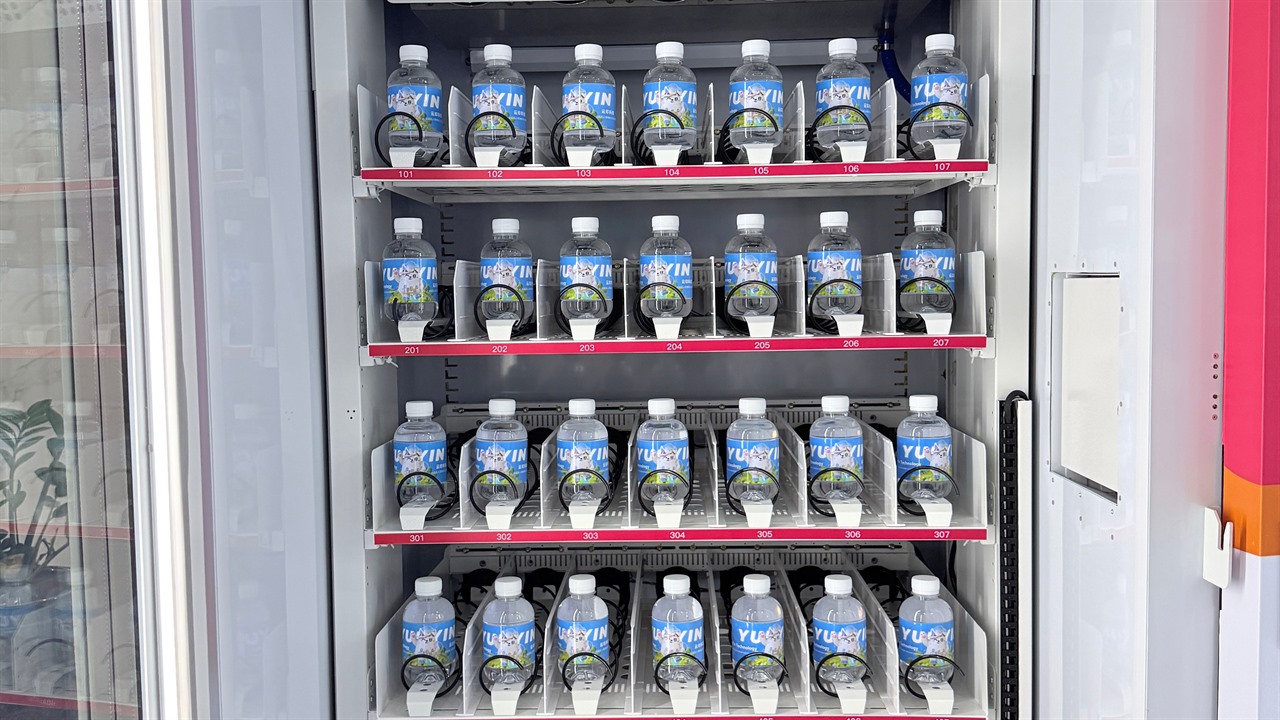
Stay up to date on the actual inventory status of each device at all times
To break this passive situation, the key lies in making the inventory data intuitive and traceable. By choosing smart devices with remote monitoring capabilities, each shipment and the remaining quantity of each layer of goods can be synchronized in real time to the cloud management backend, allowing you to understand the specific inventory status of a certain device without having to be on-site. This visualization ability is not just about saving time; it is more importantly about transforming the replenishment decision from relying on intuition to relying on data. When you can view the inventory data of multiple locations simultaneously, you can more clearly determine which products have high sales and which locations need to be prioritized for replenishment routes, thereby using the limited human and vehicle resources in the right places.
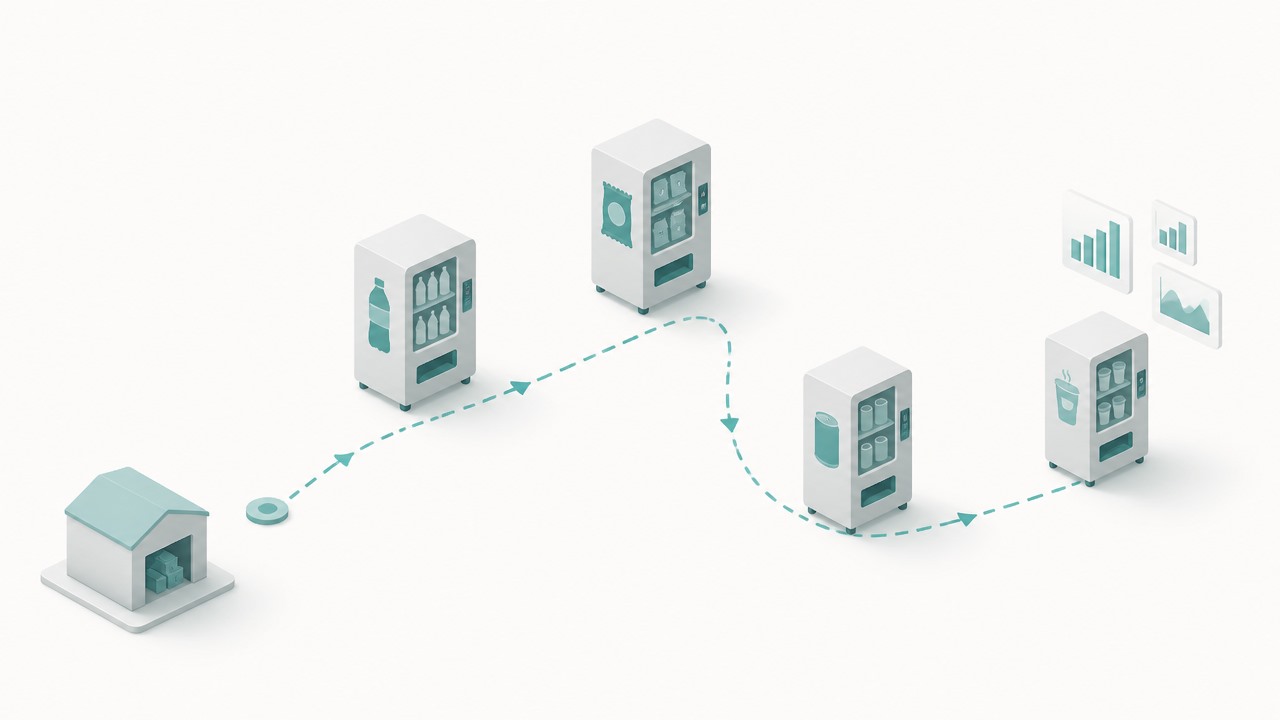
Proactively Establish a Replenishment Plan
Just knowing the inventory figures is not enough. What truly boosts efficiency is converting the data into actionable steps. You can set inventory thresholds for different products. Once a certain aisle falls below the value you have set, the system will automatically alert you instead of responding passively when the equipment is completely sold out. By combining historical data, you can also further predict seasonal demand fluctuations and adjust the inventory structure in advance, reducing the loss of sales opportunities due to stockouts and avoiding the occupation of funds due to excessive stockpiling. For distributors who simultaneously connect with multiple suppliers or distribution channels, this data-based replenishment rhythm can also make your communication with the upstream and downstream parties smoother, reducing the communication costs of confirming inventory back and forth.
Key Points of Inventory Management Practices
If you wish to operate the vending machine business in a stable and long-term manner, several principles are crucial.
- Do not attempt to cover all machines with a single inventory structure. Different locations must have different combinations of goods.
- Regularly analyze sales data instead of only checking inventory when replenishing. Data review can help you uncover hidden consumption trends.
- Route optimization for replenishment is also very important. Reasonable planning of the route can reduce time waste and improve the efficiency of single replenishment.
- Try to minimize reliance on personal experience and gradually make the decision-making process data-driven.
The future inventory management of vending machines is gradually shifting from managing inventory to predicting demand. Through data analysis and algorithm models, the system can predict changes in sales volume during different time periods and provide replenishment suggestions in advance. This approach can free up operators from repetitive tasks and allow them to focus more on business expansion.
Final Thoughts
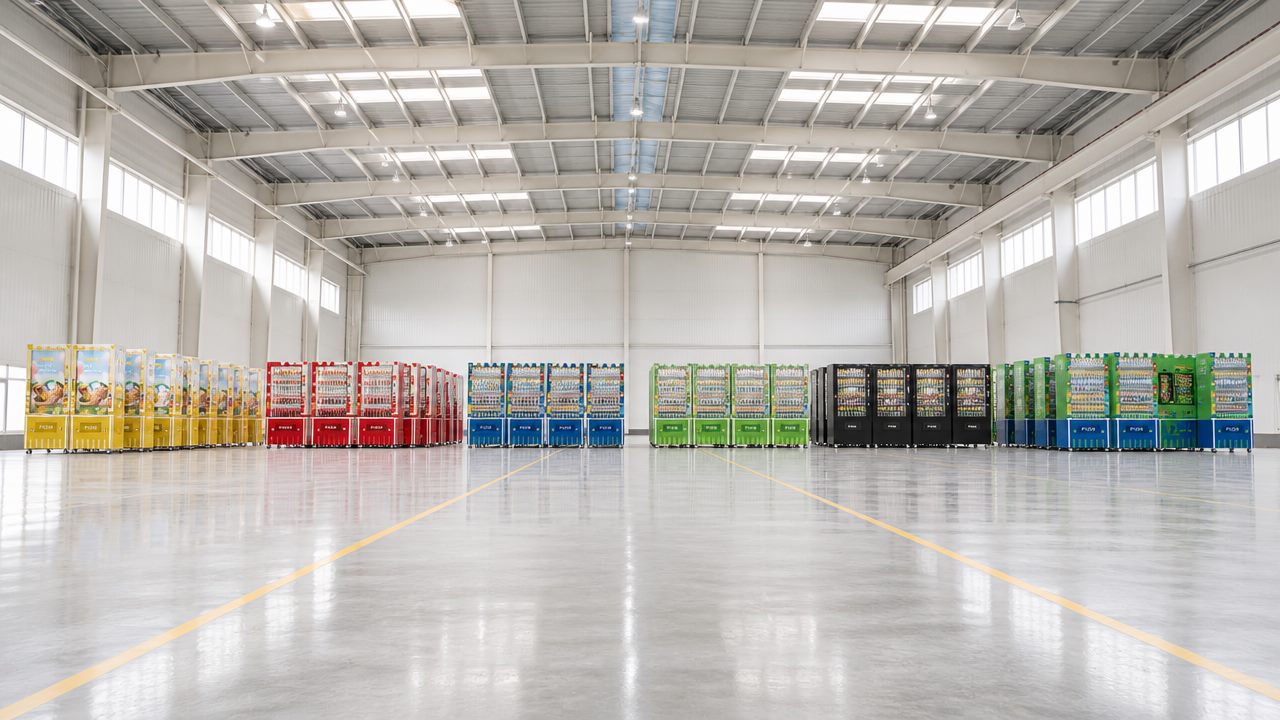
Efficient inventory management can determine the extent to which your vending business can develop. As a source factory with 13 years of export experience, Yunyin has always been dedicated to providing one-stop unmanned retail solutions for global distributors and operators. From equipment development to remote operation management systems, all can be customized. If you are looking for a more efficient solution for multi-location inventory management, please send an email to caiya@lomoment.com. Our team will provide you with targeted advice.
FAQ
Do small-scale operations also need a dedicated inventory management system?
Even if you’re managing just a few devices, real-time inventory visualization can help you reduce the number of checks and lay the groundwork for future expansion.
How often should inventory data be updated to be considered reasonable?
Ideally, inventory changes should be synchronized in real time or near real time, so that you can detect anomalies as soon as they occur and respond promptly.
How should inventory alert thresholds be set?
You can set these thresholds based on a product’s historical sales rate and restocking cycle. For fast-selling items, you can set the threshold higher to avoid stockouts caused by delayed restocking.
Does the inventory management system require additional hardware investments?
This depends on whether the device you choose already has built-in remote monitoring and data collection capabilities. Manufacturers like Yunyin, which support customization at the source, can typically integrate these features into the device at the factory, thereby reducing the cost of retrofitting later on.