
With the development of intelligent retail technology, vending machines are entering more specialized scenarios, and hospitals are one of them. The needs of patients and their families do not only occur during the treatment process. Long waiting times, companionship, and shifts of medical staff all generate consumption demands. However, traditional convenience services often fail to cover all areas and times within the hospital. Hospital vending machines are gradually becoming a flexible supplementary method to help medical facilities provide more convenient services.
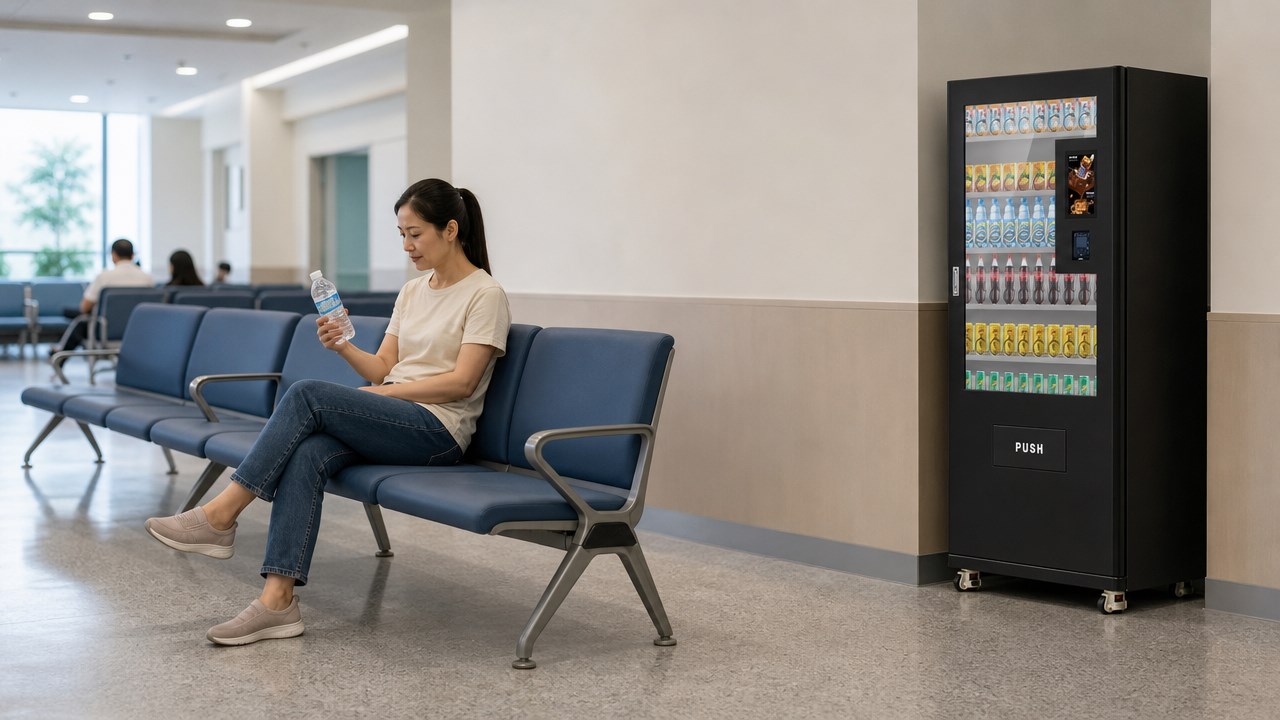
Why are hospital vending machines suitable for setting up in hospitals?
Hospitals are not commercial enterprises at all. They are open 24 hours and there are many patients, family members and medical staff in various areas throughout the day. Because the time of visiting, examination, treatment and accompanying is uncertain, people often have the need to temporarily purchase food, beverages and daily necessities. But hospital cafeterias and convenience stores tend to be open during set hours. When users need to purchase simple goods and need to leave the hospital or go to a distant area, it not only increases time costs but also affects the overall experience.
Hospital vending machines can serve as a supplement to the existing service system of medical facilities. They occupy less space and can be flexibly installed in lobbies, waiting areas, employee rest areas, etc., providing more convenient purchasing channels for different users.
For the patients and their families, vending machines can reduce the inconvenience in the waiting process and facilitate them in getting beverages, food and daily necessities during their stay in the hospital. The equipment can help medical staff to replenish the necessary goods quickly during short breaks, improving the convenience of work.
Meanwhile, the intelligent management function also makes hospital vending machines more suitable for modern medical environments. The back-end system can show sales data, inventory status, and equipment operation status, which reduces the pressure of manual management. Therefore, hospital vending machines are not just simple retail devices; they are also an intelligent service method that helps medical institutions improve service efficiency and optimize user experience.
Recommended products for sale in hospital vending machines
The hospital environment has certain specific requirements for product selection. Compared to general commercial venues, hospitals pay more attention to product safety, hygiene, and the actual needs of users. Therefore, the configuration of goods should be adjusted according to the installation area, population characteristics and hospital requirements.
Food & Beverages
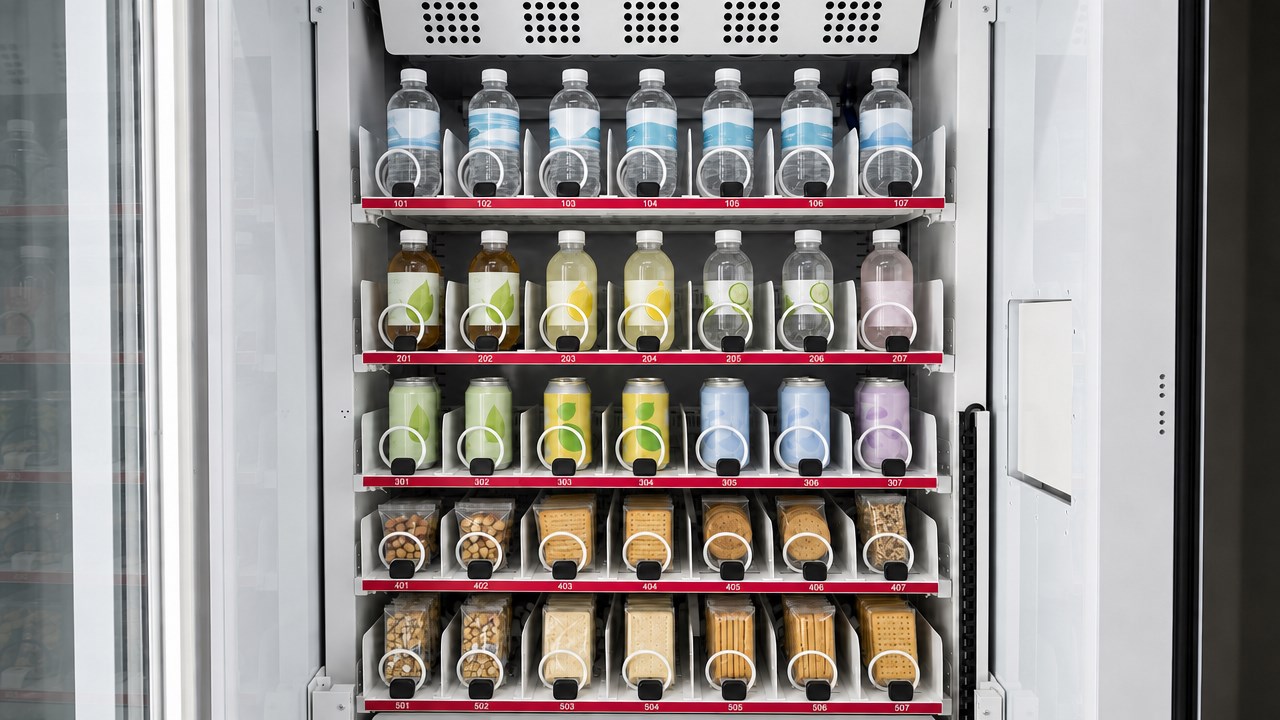
The most common items found in hospital vending machines are food and drinks. Bottled water, juice drinks, snacks and simple ready-to-eat foods can be placed in the equipment. At the same time, with the improvement of consumers’ health awareness, the product selection in hospital scenarios is gradually moving towards a healthier direction. For instance, low-sugar drinks, healthy foods and healthier snack options may be more appropriate for the medical setting.
Everyday care products
Sometimes in hospitals, patients and visitors have temporary needs, such as forgetting to bring some daily necessities, or quickly buying some basic supplies. Such as tissues, masks and personal care products. Such goods are especially good for placement in lobbies, hospital wards and places with a lot of visitors.
Some medical facilities may also provide health-related products according to actual needs, such as basic protective supplies or care-assistive products. However, the sale of medical-related products has different regulations in different countries and regions, so the hospitals need to adjust the selection of goods according to local laws and management requirements.
Where are hospital vending machines suitable to be installed?
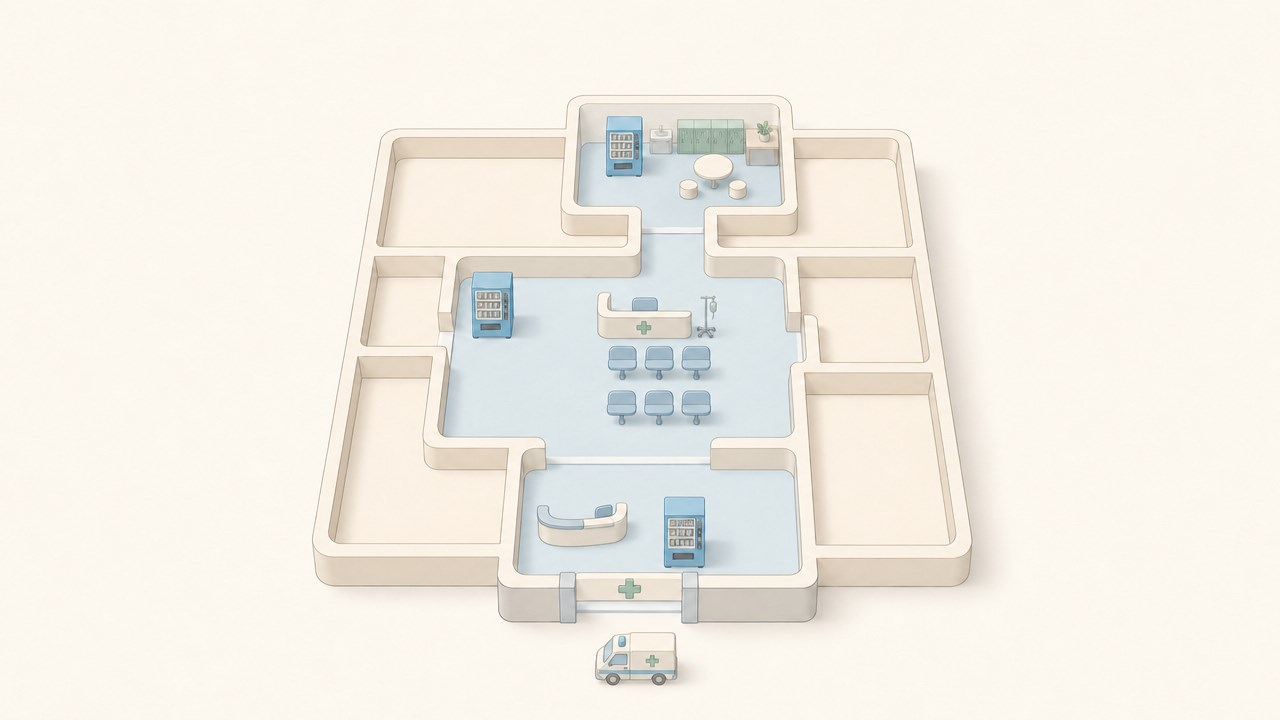
Different areas within a hospital have distinct characteristics in terms of population flow, so the selection of the installation location for vending machines is of great importance. A proper installation location can increase the equipment utilization rate and better meet the user’s needs.
Hospital lobby and entrance area
The lobby is usually the area with the highest hospital traffic, and it is the first contact area for patients and visitors when they enter the hospital.
Placing vending machines here can provide a quick purchasing channel for visitors who have just entered the hospital, such as beverages, snacks, tissues, and other daily necessities. Such services can be a great convenience for the hospital for those who have to wait for registration, consultation or accompanying family members. At the same time, the lobby area is usually more open, which is more suitable for installing intelligent retail devices with display effects and allowing users to quickly discover and use them.
Waiting area
The waiting area is also one of the suitable application scenarios for hospital vending machines. Patients may need to stay for a long time while waiting for examinations, treatments or doctors’ diagnoses. Wait times are pretty long, especially at bigger hospitals. Vending machines allow patients and their families to buy simple food, beverages or daily necessities without leaving the waiting area, increasing comfort during the waiting period.
Medical staff rest area
Medical staff usually face a high-intensity work schedule, especially in emergency departments and inpatient areas, where staff may not be able to leave their posts for a long time. Installing vending machines in the staff rest area can provide more convenient food and beverage options, helping medical staff replenish their supplies during their limited rest time, which is also a way to improve the working environment for staff.
Emergency area and special waiting area
The emergency area usually has high uncertainty, and patients and their families may need to wait for a long time.
Vending machines can offer added convenience to waiting areas, provided the conditions are acceptable to hospital management. For example, family members can buy drinks, food, or basic daily necessities to alleviate the inconvenience of long waits.
How to select a reliable hospital vending machine manufacturer
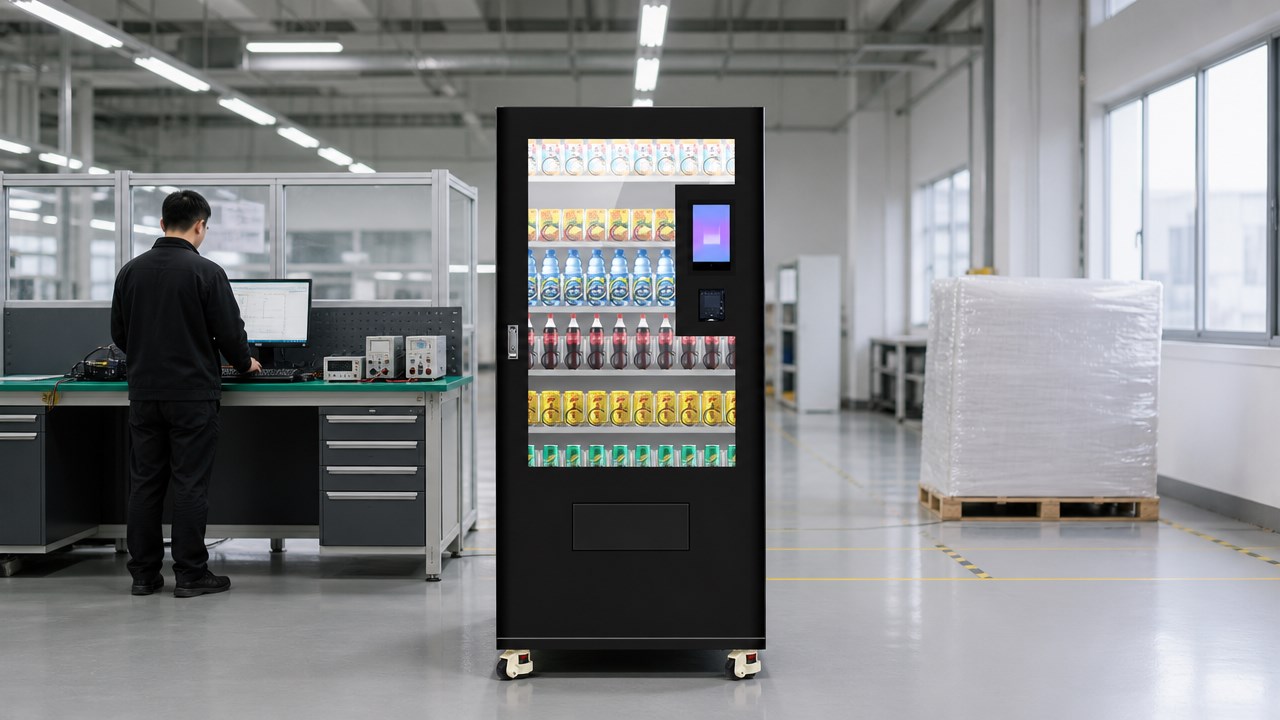
Hospital vending machines are mandated to operate around the clock in a medical environment. Therefore, when selecting a manufacturer, in addition to the price of equipment, it is necessary to comprehensively consider the R&D capability, product stability, customisation capability and after-sales support.
In-House R&D and Manufacturing Capabilities
The layout of space, the types of goods, and the operating requirements will vary from hospital to hospital. Suppliers with R&D and production capacity may adjust the equipment structure, functional configuration and system plan according to the actual needs, not just provide standard products.
Stability of equipment
Hospitals are places with a relatively stable flow of people. Vending machines need to work for a long time, so the quality of equipment, the design of the internal structure and the intelligent management system will affect the subsequent operation effect. Stable equipment can reduce the frequency of maintenance and reduce long-term operational pressure.
Other factors to consider when choosing a manufacturer include payment methods, back-end management systems, and customisation services. The payment habits, language systems, management methods, etc. of medical institutions in different countries and regions can be different. “Manufacturers that support multiple configurations can assist customers adapt better to local market needs.” And the function of after-sales service can not be ignored. Hospital vending machines are not a one time purchase project. Installation, commissioning, maintenance and technical support are also part of it. Therefore, it is helpful to select a manufacturer with export experience and a complete service system to ensure the long-term stable operation of the equipment.
Final Thoughts
Hospital vending machines are becoming an important tool for enhancing the service capabilities of medical facilities. Comprehensive vending services can bring a comfortable experience to the medical staff and patients within the hospital. Yunyin is a company engaged in research, production and customisation services of intelligent vending machines with rich export experience and OEM/ODM capabilities. It can provide whole unmanned retail solutions based on different market demands.” Welcome to contact us for more information about the hospital vending machine project solutions.
FAQ
Do all hospitals have vending machines?
Not all hospitals have vending machines installed. The decision to install them usually depends on the size of the hospital, patient flow, space conditions, and management requirements. Large hospitals have large numbers of patients, visitors and staff coming through on a daily basis, so they’re more likely to put vending machines in for added convenience.
Are hospital vending machines suitable for small clinics?
Hospital vending machines are not only suitable for large hospitals, but also for some clinics, medical centers and health institutions. Small medical facilities with limited space can opt for more compact equipment based on the actual space to provide additional convenience for the patients and staff.
How do hospital vending machines enhance the patient and staff experience?
Vending machines in hospitals reduce the time patients and relatives spend looking for things. They can purchase drinks, food, or everyday items more comfortably while waiting. Meanwhile, they can also provide more extensive auxiliary services to the hospital and improve the overall service experience.
Are hospital vending machines worth investing in?
The vending machines in hospitals have slowly become an application direction for those working in unmanned retail. Medical facilities are often crowded with a constant influx of people including patients, their families, medical staff and visitors. Hence, they have a constant need for food, drinks and daily essentials. Vending machines require less space than convenience stores and do not need a large commercial area. Meanwhile, the intelligent management system can help operators to remotely monitor the equipment status and sales data, relieving the pressure of manual management.However, the operational effect of the project will still be affected by factors such as installation location, hospital traffic flow, product selection and cooperation methods. Therefore, before investment, detailed investigation and planning should be carried out according to the specific hospital environment.
Can hospital vending machines be customized?
Yes. The needs of medical institutions for product types, equipment size, payment systems and software functions can vary. So the ability to customise is very important. Yunyin provides customisation options for equipment structure, system functions and appearance schemes, as well as multi-language systems and payment method integration services, so that customers can meet the market demands of different countries and regions.