
Payment options in vending machine operations can directly impact customer experience, sales performance and daily management efficiency. Consumers are increasingly moving towards card, mobile and contactless payments, so operators need to select payment systems that are appropriate to their market and user habits.
In this article, we will walk through the most common payment methods and how to select the right payment solution for your vending machine project.
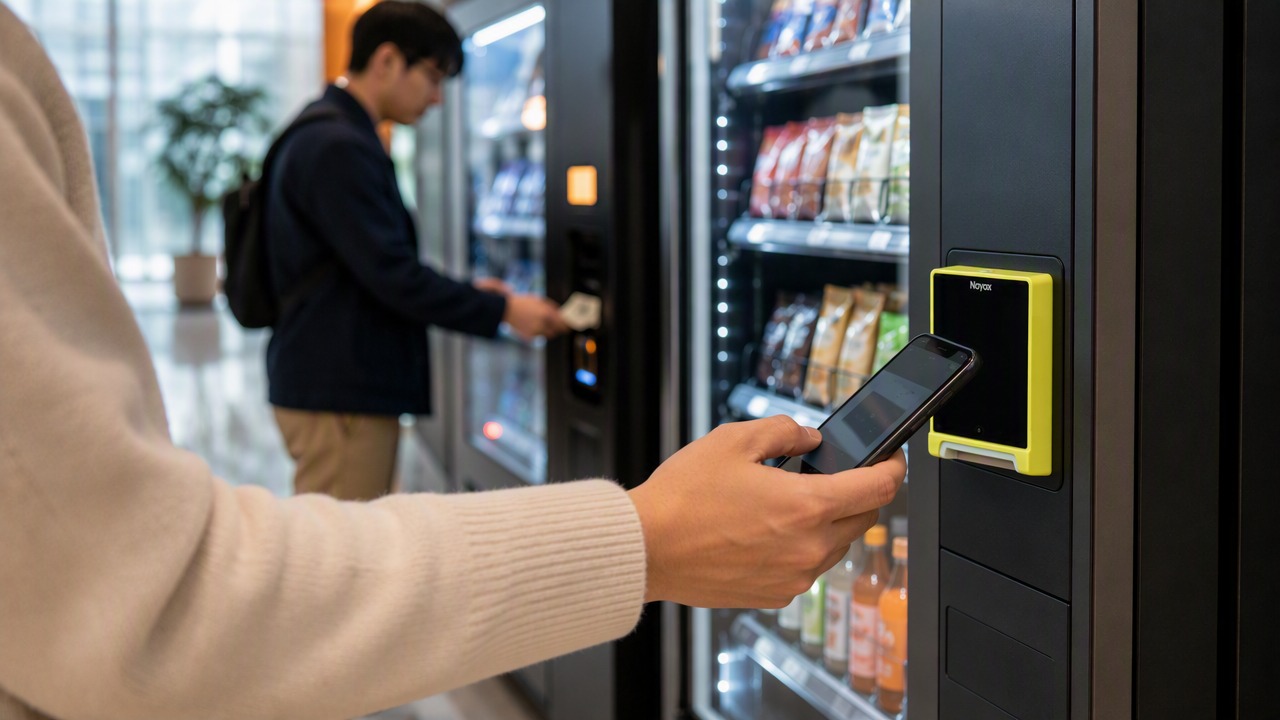
What are the common payment methods for vending machines?
Different markets and customer groups like to pay differently. When selecting a vending machine payment system you need to consider local payment habits, installation environments and operating costs. Here are the most popular vending machine payment methods in use today.
Coin Payment
Coin payment is one of the earliest payment methods in vending machines. While digital payments are becoming more and more widespread, there are still some areas where coin acceptance has a place, where cash payments are still part of day-to-day life.
Coin vending machines can still be found in schools, transportation facilities, laundromats and public service areas. In some regions, coin payment can help operators serve customers who do not use digital payment tools regularly.
Advantages
- Proven and reliable technology
- No internet connection required
- Low initial implementation cost
Disadvantages
- Coin jams may occur over time
- Regular cash collection is required
- Fewer consumers carry coins today
Most modern vending machine projects use coin payment as a supplementary option, not the primary payment method.
Paper Currency Payment
The acceptance of paper currency allows consumers to purchase products using banknotes instead of coins. This method of payment is particularly useful for more expensive items where coins alone may not be practical.
Many operators still provide banknote acceptance as it gives flexibility for customers who prefer cash. But paper money has maintenance and security issues.
Advantages
- Suitable for higher-value purchases
- Familiar payment method for many users
- Expands accessibility in cash-oriented markets
Disadvantages
- Damaged bills may cause recognition errors
- Cash handling increases operational workload
- Bill validators require periodic maintenance
Accepting paper currency can still be a benefit even if your vending machines are in locations where cash is still used. But demand for cash payments continues to decline in highly digital markets.
Bank Card Payment
Bank card payment is one of the most popular payment methods in Europe, North America and many other developed markets. Consumers can swipe, insert or tap their cards to complete transactions.
Card payments also improve convenience and reduce the difficulties of cash management for operators. Customers also like to buy things without having to carry cash on them.
Advantages
- Convenient for consumers
- Supports higher transaction values
- Reduces cash handling requirements
- Familiar payment method worldwide
Disadvantages
- Transaction fees may apply
- Requires network connectivity
- Payment processing depends on third-party providers
If you are targeting office buildings, airports, hospitals, universities, or transportation hubs, bank card payment is usually considered a standard feature.
NFC Contactless Payment
NFC (Near Field Communication) technology allows customers to pay by simply tapping a contactless bank card, smartphone, or smartwatch on the payment terminal.
As consumers increasingly expect fast and convenient transactions, NFC payment has become one of the most popular payment methods for modern vending machines.
Advantages
- Extremely fast transaction speed
- No physical contact required
- Convenient user experience
- Supports multiple devices
Disadvantages
- Requires compatible payment hardware
- Depends on NFC-enabled cards or devices
For high-traffic locations where transaction speed matters, such as subway stations, office buildings, airports, and campuses, NFC payment can significantly improve customer convenience.

Mobile Wallet Payment
Mobile wallets have become an important part of cashless payment worldwide. Services such as Apple Pay, Google Pay, Samsung Pay, and regional digital wallets allow consumers to complete purchases directly from their smartphones.
In many countries, younger consumers increasingly prefer mobile wallets over traditional payment methods. Supporting these platforms can help vending operators meet changing customer expectations.
Advantages
- Smooth and familiar payment experience
- High level of security
- No physical card required
- Aligns with modern consumer habits
Disadvantages
- Requires smartphone adoption
- Availability varies by country and region
If your vending machines are deployed in shopping centers, office parks, universities, or urban locations, mobile wallet support can help improve payment flexibility and customer satisfaction.
Member Card and Campus Card Payment
In closed environments such as universities, corporate campuses, factories, and employee dining facilities, member cards and campus cards continue to play an important role.
These systems typically allow users to preload funds or connect purchases to internal accounts, creating a seamless purchasing experience within a controlled environment.
Advantages
- Fast transaction processing
- Easy account management
- Supports consumption tracking and reporting
- Suitable for closed-loop payment ecosystems
Disadvantages
- Limited to specific user groups
- Requires integration with local management systems
If you serve educational institutions or corporate clients, integrating member card or campus card systems can create a more convenient experience for end users while providing valuable consumption data for administrators.
Payment Hardware Behind Modern Vending Machines
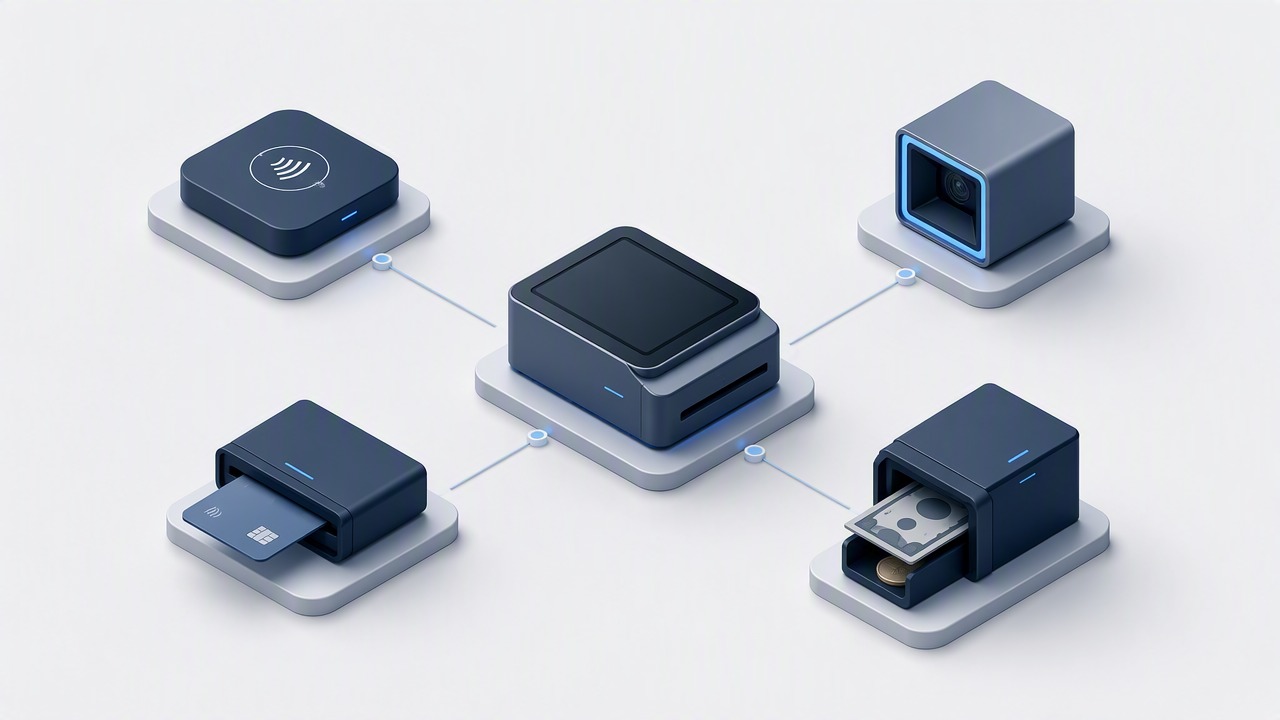
Most modern vending machines support multiple payment methods through a combination of integrated hardware components. Depending on the payment options you choose, a machine may include:
- Card readers
- NFC modules
- QR code scanners
- Cash validators
- Payment control boards
By combining several payment technologies within a single machine, you can provide greater flexibility for customers and improve overall transaction success rates.
How to Choose the Right Payment Solution for Different Markets
North America and Europe
We accept NFC-based transactions and card payments throughout North America and Europe. Consumers are used to contactless payments so speed and reliability of payment are more important than cash options.
If you’re looking to place vending machines in airports, office buildings, universities, or transportation hubs, accepting credit cards, debit cards, Apple Pay, and Google Pay should be a baseline requirement. Fewer payment options could mean fewer opportunities to transact.
Southeast Asia
Digital wallets play a major role in many Southeast Asian countries. Platforms such as local e-wallets are often used more frequently than traditional bank cards.
If you are entering markets such as Thailand, Indonesia, Malaysia, or the Philippines, it is important to verify which local payment platforms dominate the market before selecting a payment provider.
University Campuses
Campus environments usually run closed-loop payment systems. Purchases are often made with student cards, campus accounts and NFC based identification systems.
If the target customer base is universities or educational institutions, then incorporating campus payment infrastructure can increase user convenience and transaction frequency.
Hospitals and Transportation Hubs
Hospitals and transportation facilities serve diverse groups of users. Supporting multiple payment methods usually provides the best user experience.
For these locations, combining bank card payments, mobile wallets, and NFC transactions can help reduce queues and improve transaction efficiency.
Office Buildings and Corporate Parks
Office workers are impulsive buyers during break times. Cashless systems generally offer better results than cash-based systems, as they are faster and easier to use.
If you work with machines in office settings, you can reduce transaction times and improve customer experience by focusing on contactless payment methods.

Final Thoughts
At YunYin, we provide customizable payment integration solutions, including card payments, NFC payments, mobile wallets, local payment gateways, and multi-currency support for international vending machine projects. Our team can help you identify the most suitable payment configuration for your market and business goals.
FAQ
Can a vending machine accept more than one payment method at the same time?
Yes. Most modern vending machines can accept various payment methods such as card payments, NFC payments, QR code payments and cash, which gives operators the opportunity to cater for different customer preferences.
Do cashless payment systems require internet connectivity?
Yes, in most cases. Generally, payment authorization needs a stable network connection. Some systems offer a limited ability to process transactions offline, but real-time connectivity is usually recommended.
How much does it cost to implement a card payment system on a vending machine?
Cost: Depends on payment hardware, payment provider and local transaction fees. The requirements can vary greatly from country to country and region to region.
What is the most suitable payment method for international vending machine projects?
There is no one answer. The perfect solution depends on the consumer habits in the area. Often the best customer coverage is achieved through a combination of bank cards, NFC payments and local digital wallets.
Can YunYin customize payment systems for countries?
Yes. YunYin has the ability to integrate with different payment gateways, card processors, NFC solutions and local payment platforms, enabling you to customize vending machines according to different international markets.