
Nowadays, the scenario where they use self-checkout lanes to scan their items and complete the transaction on their own has become quite common. As consumers’ demands for convenient services continue to increase, more and more enterprises are seeking more flexible burdensome retail methods. This article will analyze the development trends, market size, application directions and future opportunities of the unmanned retail market, helping you have a clearer understanding of this rapidly changing field.
What is the unmanned retail market?
The unmanned retail market is a way of selling things where people can buy stuff on their own using machines, automated systems and digital payment technologies. You know, like the self-checkout lanes you see in supermarkets or the vending machines that sell drinks and snacks on the side of the road. There are also lockers that you can open with your face or a password. All these things are part of the retail market. So what is unmanned retail about? It is not that no one is working there. It uses digital technology to make things easier and faster by doing tasks that people used to do over and over again. This makes the unmanned retail market an efficient way to sell goods. The unmanned retail market is, about using technology to make retail easier and more efficient.
If you are considering entering the retail industry, unmanned retail offers a business concept different from traditional stores.
Why is the unmanned retail market experiencing rapid growth?
The development of the unmanned retail market is driven not only by technology, but also reflects the changes of consumers, enterprises and the whole retail environment.
Consumers are increasingly looking for seamless shopping experiences
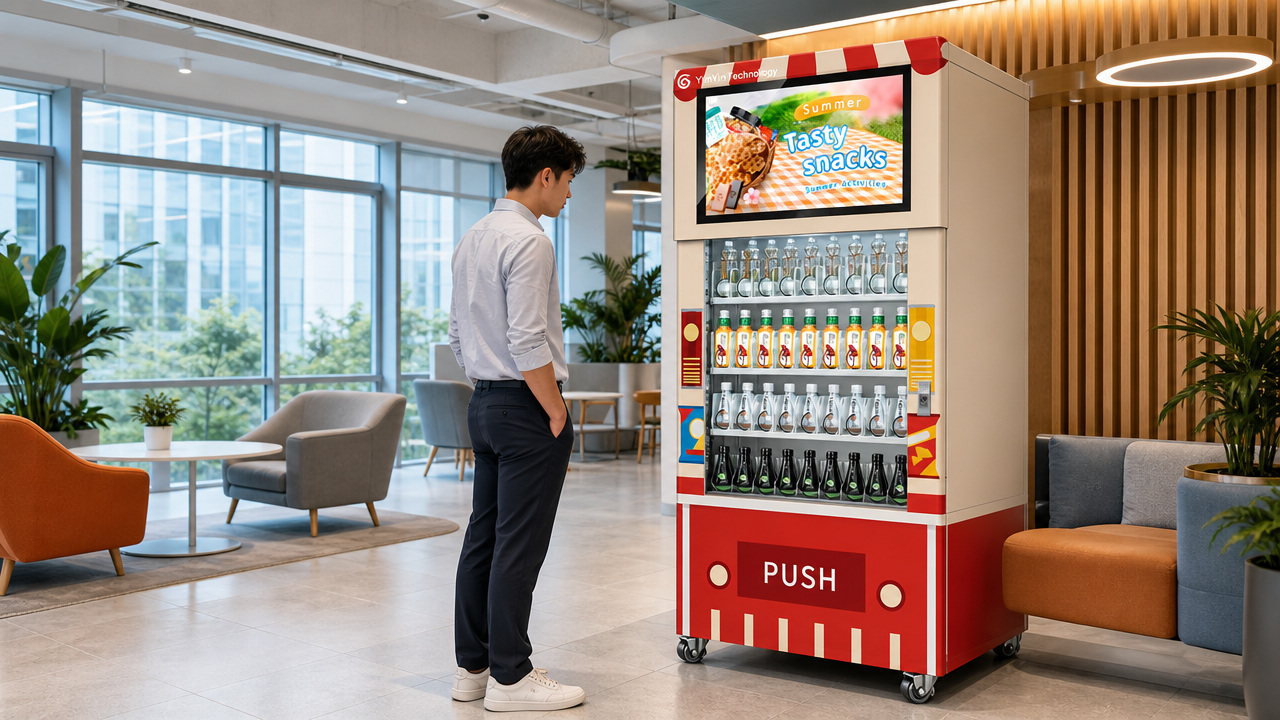
Modern consumers are getting used to completing purchases quickly. People in office buildings, airports, schools or communities want to be able to buy the products they need at any time rather than having to go out and find the stores. Especially in some high-frequency consumption scenarios, consumers do not need a complex shopping process. For example, when purchasing beverages, snacks, or daily necessities, a simple self-service purchase method often better suits usage habits. And unmanned retail precisely meets this demand. Consumers only need to select the goods, complete the payment through a bank card, mobile payment, or other digital payment methods, and can quickly obtain the goods.
Enterprises seek more efficient retail models
For retail enterprises, labor costs have always been a significant pressure in their operations. Physical stores need to bear employee salaries, training, business hours management, and venue costs, while unmanned retail can reduce some manual processes and improve the utilization efficiency of each space.
This is why more and more enterprises are beginning to pay attention to unmanned retail. However, unmanned retail does not completely replace physical stores; instead, it becomes a new supplement to traditional retail. For example, a large enterprise park may already have a cafeteria, but still needs to set up intelligent vending machines in the office area to provide additional shopping options for employees; a restaurant may also need to use self-service equipment to meet late-night consumption needs.
Digital payment and intelligent management technologies are gradually maturing
In the past, one of the biggest limitations of automatic vending machines was the limited payment methods and management capabilities. But in recent years, the development of payment technology, the Internet of Things, and back-end management systems has enabled unmanned retail devices to have stronger data management capabilities.
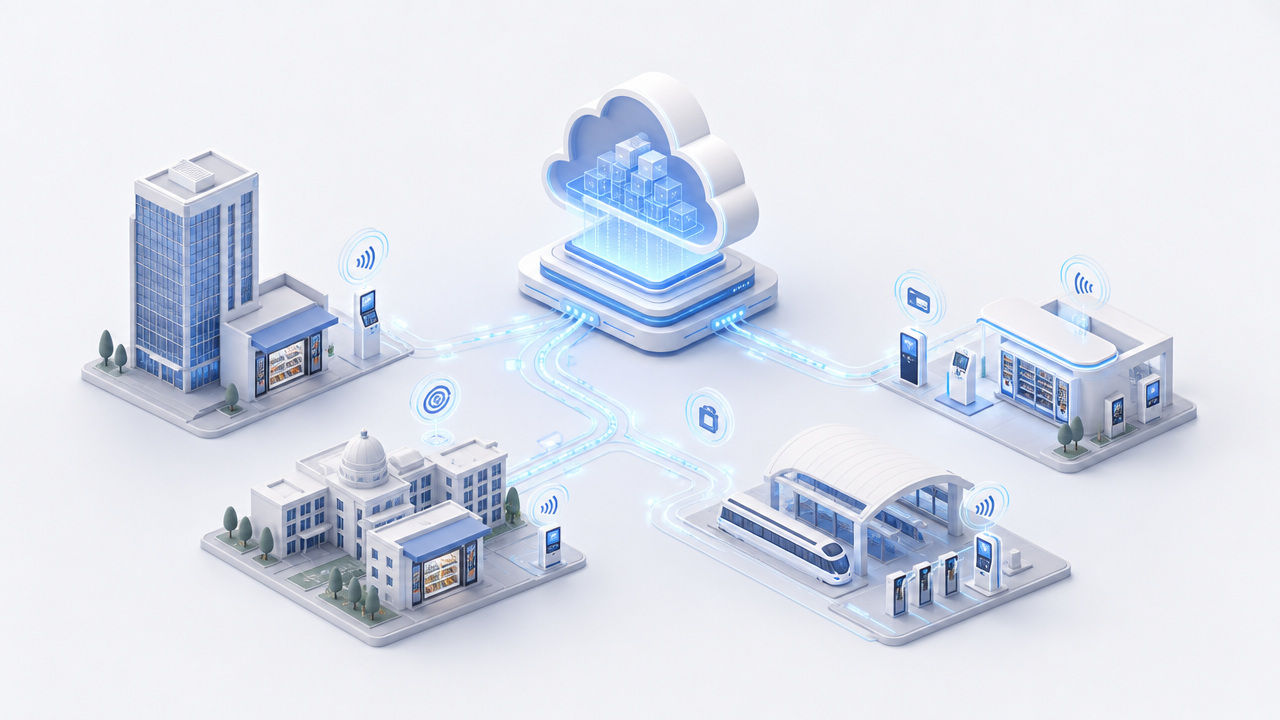
You can remotely view the sales situation of the equipment, inventory status, changes in product sales, and adjust the replenishment plan based on the data, which means that unmanned retail is transforming from a simple automatic sales device into a more intelligent data-driven retail system.
The market size of vending machines
From the perspective of global market development, unmanned retail is entering a stage of rapid growth. According to data from multiple market research institutions, the global unmanned retail market is expected to continue growing in the coming years. The main driving factors include rising labor costs, digitalization of retail, and changes in consumers’ shopping habits.
Among them, the vending machine market has always been an important component of the unmanned retail market.
According to industry research data, the global vending machine market has already reached a scale of tens of billions of dollars and is expected to maintain stable growth in the coming years. The growth momentum comes not only from traditional beverage and snack vending machines, but also from intelligent vending machines, health food vending machines, medicine vending machines, and more specialized fields.
The Evolution of Vending Machines
Historically, vending machines have focused on locating themselves in high-traffic areas to sell standardized products. Now, intelligent vending machines are entering into more business scenarios, providing consumers with a shopping experience closer to traditional brick-and-mortar retail stores through touch screens, human-computer interaction, intelligent inventory management and multiple payment methods.
Why are vending machines an important entry point for unmanned retail
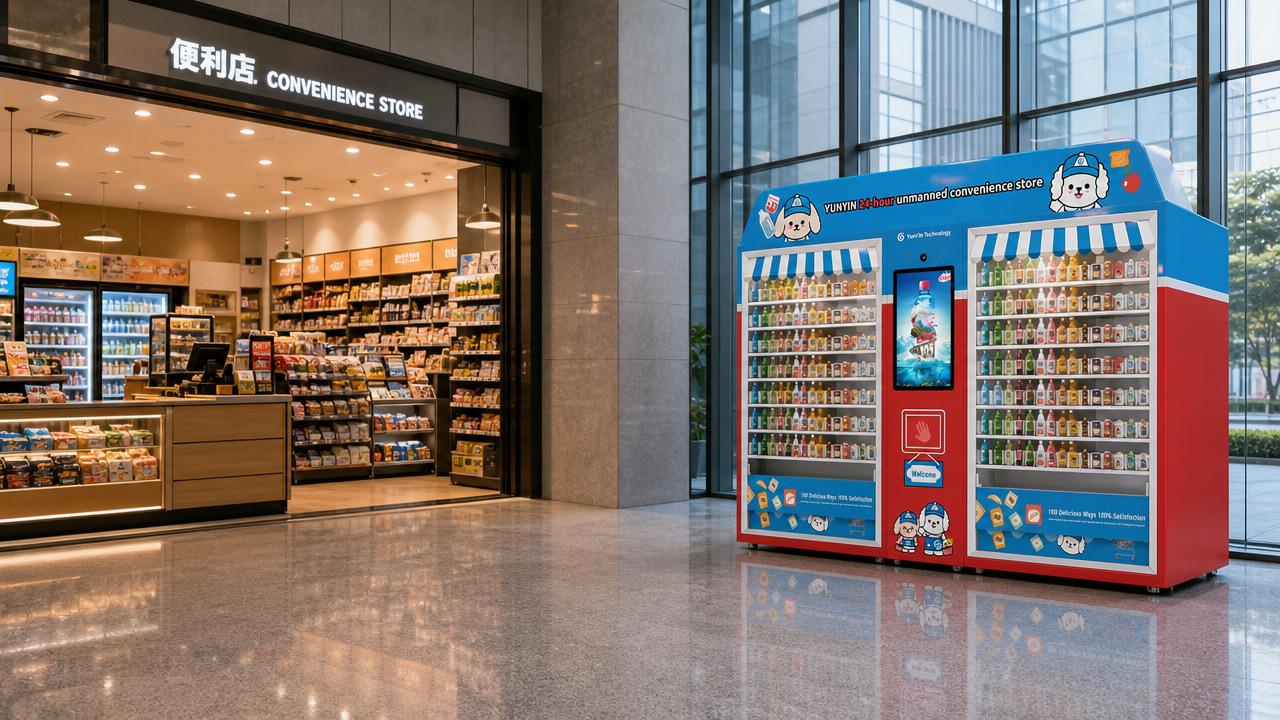
In the development of the unmanned retail market, vending machines have always been one of the most mature and easiest-to-adopt models. Compared to unmanned stores, which require large-scale investment in space and complex system construction, vending machines have more flexible deployment methods and are more suitable for investors of different scales to try. You can have a trial run with one or two machines, then decide whether to expand the scale according to the actual situation. In the location selection of vending machines, you also have greater flexibility. Office buildings, communities, gas stations, gyms, and any place with stable traffic can have one machine, without having to consider rent, decoration, and labor costs like opening a physical store.
At the same time, the application scope of vending machines is also expanding. In the past, the equipment on the market mainly sold standardized products such as beverages and snacks. But as consumer demands change, vending machines are covering more product types, such as coffee, fresh food, health food, daily necessities, beauty products, and some more personalized items.
The development of intelligent technology has also enhanced the commercial value of vending machines. Now, smart vending machines can be connected to back-end management systems to analyze sales, inventory and product popularity data. The data can be used to determine product popularity, times to restock, and locations with higher sales potential.
The development trend of the unmanned retail market
The unmanned retail market is still in a stage of continuous change. The future development direction is not only that the equipment becomes more intelligent, but also that the entire retail process becomes more digital.
Remote intelligent management will become a basic capability
Future unmanned retail devices will rely more on data management. In the past, you might have needed to frequently go to the equipment site to check sales conditions. Now, you can remotely know the operating status of the equipment, the inventory of goods, and the sales performance through the cloud management system. This will allow you to reduce inefficient inspections, improve replenishment efficiency, and adjust product strategies according to consumer purchasing habits. If you have multiple devices, the intelligent management capability will directly affect operating costs.
Payment methods will be more diverse
Payment experience has always been a key factor in the development of unmanned retail. Now, consumers have become accustomed to using digital payment methods, so unmanned retail devices need to provide more convenient payment options. Methods such as bank card payment, mobile payment, and contactless payment are becoming important components of the market.
Personalized demands are on the rise
The future of unmanned retail will not simply sell fixed goods, but will provide more precise product combinations based on different scenarios. Fitness venues are more suitable for protein drinks and healthy foods, office areas are more suitable for coffee, beverages, and quick foods, and hotel areas are more suitable for travel supplies and daily necessities.
This means that you have to pay more attention to the needs of consumers rather than simply relying on the equipment to sell goods.
What should you consider before entering the unmanned retail market
Although the unmanned retail market is growing, this does not mean that all projects will automatically succeed.
Pay attention to the target market and consumption scenarios
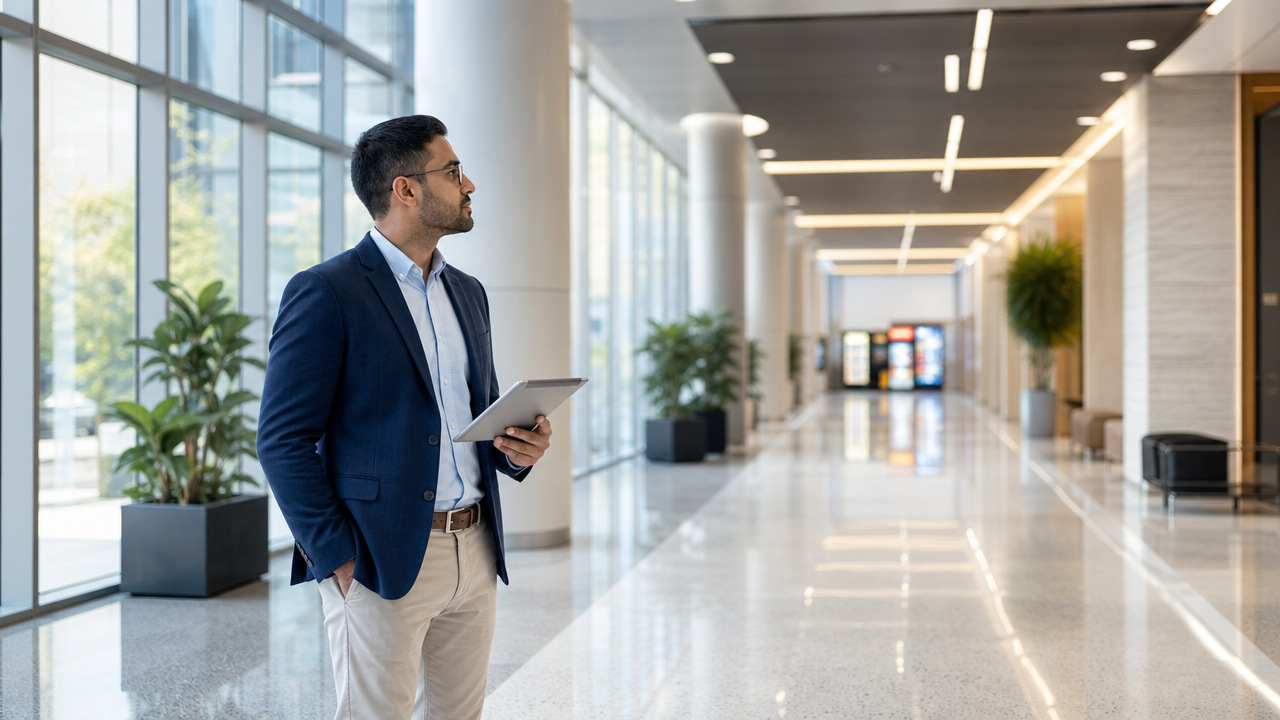
A good location is usually more important than the equipment itself. High-frequency consumption areas, stable traffic areas, and places where consumers have immediate needs are more likely to form continuous sales.
Select the right product types based on market demand
The consumer demands in different locations vary greatly. The same device placed in an office building and a gym may sell completely different products. You need to adjust dynamically according to the actual needs of the consumer group instead of rigidly sticking to the same set of product combinations.
Equipment functions
If you are just starting with small-scale operations, simple and stable equipment might be more important. However, if you aim to expand your scale, intelligent functions such as remote management, multiple payment methods, and inventory management can help you enhance long-term operational efficiency.
Supply chain and service capabilities
Unmanned retail is more than simply buying equipment and then stopping there, it is a continuous process. Long-term returns are linked to equipment stability, after-sales support, system maintenance and product supply. So you have to do a full evaluation before you go to market, and not just look at the cost of the equipment.
Final Thoughts
The unmanned retail market is transforming the traditional business model, creating new growth opportunities for entrepreneurs and enterprises. If you are looking for a way to enter the unmanned retail industry, choosing the right equipment, a stable supply chain, and a reliable solution partner will help your project be implemented more smoothly. As an enterprise specializing in the design, research, development, production, and sales of intelligent vending machines, Yunyin is committed to providing one-stop unmanned retail solutions for global customers, supporting customized equipment and commercial application development for different market demands.
FAQ
How to choose the best vending machine for my location?
When you are trying to pick a vending machine you have to think about what people want to buy at that place. You need to look at what kinds of things people like to buy how much space you have to put the machine how many people walk by, how often people use the machine and how people like to pay for things. You want a machine that helps you make money and gives people what they want to buy.
What types of vending machines are available for selection?
With the development of the unmanned retail market, the vending machines have covered more and more product categories and are no longer limited to traditional beverages and snacks.
Common types include:
- Drink Vending Machines: These are used to sell bottled drinks, canned drinks, juice, etc. They are usually found in schools, office buildings and other public places.
- Food vending machines: May sell snacks, prepared meals, cold foods, healthy food, etc.
- Smart integrated vending machines: Support selling multiple combo products, which is suitable for operation scenarios wishing to increase the diversity of goods.
- Special vending machines: Used for special products like medicines, cosmetics, electronic products, personal care products, etc.
When selecting the type of equipment, you should judge according to the target consumers, product characteristics and operation mode. Selecting equipment that can support expansion and adjustment will be more conducive to subsequent development.
What are the differences between different-sized vending machines?
The main difference between different sizes of vending machines is the capacity of goods, installation space and applicable scenes.
Miniature vending machines typically occupy less space, making them ideal for tight spots. Vending machines of medium and large size generally have a larger capacity of goods and more display space for goods and are suitable for places with a large flow of people. Choosing the size of a vending machine requires consideration of the installation space, foot traffic, product types, and expected sales volume.
If you are not sure which size is more suitable for your project, Yunyin can provide professional equipment selection suggestions based on your application scenario, product requirements and market positioning.
How to effectively promote my vending machine business?
Promoting the vending machine business requires combining offline location advantages with online marketing methods.
Firstly, you need to make more potential consumers aware of the location of the equipment and the products it sells. You can increase visibility through social media and other means, so that target users know where to purchase goods. At the same time, regularly adjusting the product mix, adding popular products, and optimizing the appearance design of the equipment can all help you increase consumer attention.
You can also use data analysis to understand consumers’ purchasing habits and adjust marketing strategies according to different locations.
What are the payment methods required for unmanned retail?
At present, more than 75% of unmanned retail transactions are made without cash, including methods such as swiping cards, mobile scanning, and NFC. The proportion of cash payments is continuously decreasing.
How to choose an unmanned retail equipment supplier?
When you are choosing a supplier you have to look at the company’s ability to do research and development how much they can produce, if their products are good and stable if they can make custom products and what kind of support they offer after you buy something from them.
Yunyin is a company that specializes in making vending machines. They can make machines that are tailored to what you want. They offer a complete solution for running a store with no people, which is based on what different markets, around the world need.