
If you are planning to deploy reverse vending machines, you have probably realized that whether a machine can attract foot traffic and drive usage after installation is a key factor in keeping the project running sustainably. This article covers site selection, layout, user incentives, and day-to-day management, showing how to make your reverse vending machines more visible, more used, and better integrated into the venue’s daily operations.
Getting More People to See Your Reverse Vending Machine
The usage of most vending machines is closely tied to location, and reverse vending machines are no exception. Even a fully capable machine will struggle to perform if it is installed in an area that is hard to notice, difficult to reach, or off the user’s natural route.
Before you select your installation location, know the distribution of foot traffic throughout the venue, the primary entrances and exits, dwell areas, and everyday routes of movement. The machine should be located in a place where the target users naturally walk by, can clearly see it and can use it with ease.
Prioritize High-Traffic Areas
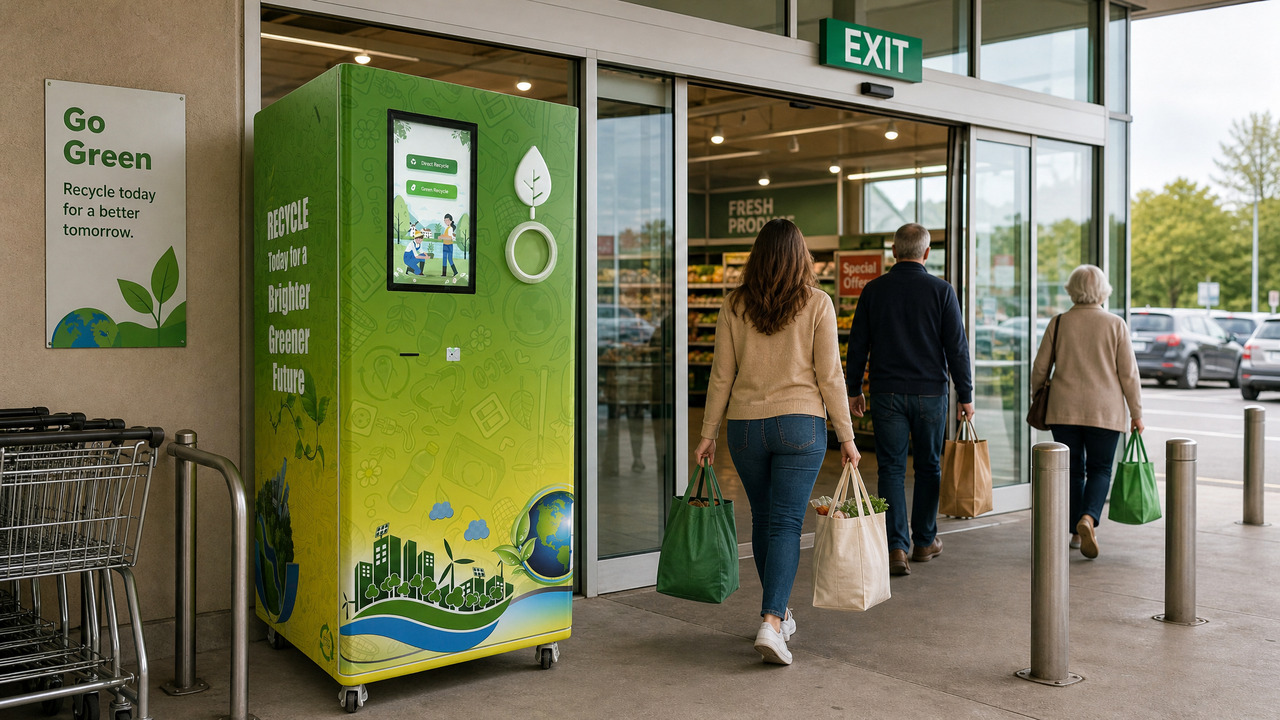
Mall entrances, supermarket exits, parking-lot connectors, public transport stops, and common areas of commercial complexes typically have high organic foot traffic. These are spots that put the machine in front of more people and make it easier to grab casual users.
If the reverse vending machine is located near a supermarket or retail store, consider placing it where it is naturally walked by customers as they enter and exit the store, such as the exit or the parking aisle, so that shoppers can conveniently drop off the plastic bottles and metal cans they have on hand when they are done shopping.
In a mall, the machine could be placed near the main walkways, next to the entrance to a supermarket, or in other locations with steady foot traffic. Also consider the movement paths of shoppers so the machine doesn’t block passageways or disrupt neighbouring stores.
Plan the Location Around the Venue’s Characteristics
User behaviour varies greatly depending on the venue type, so the ideal location for machine installation also varies.
Campus
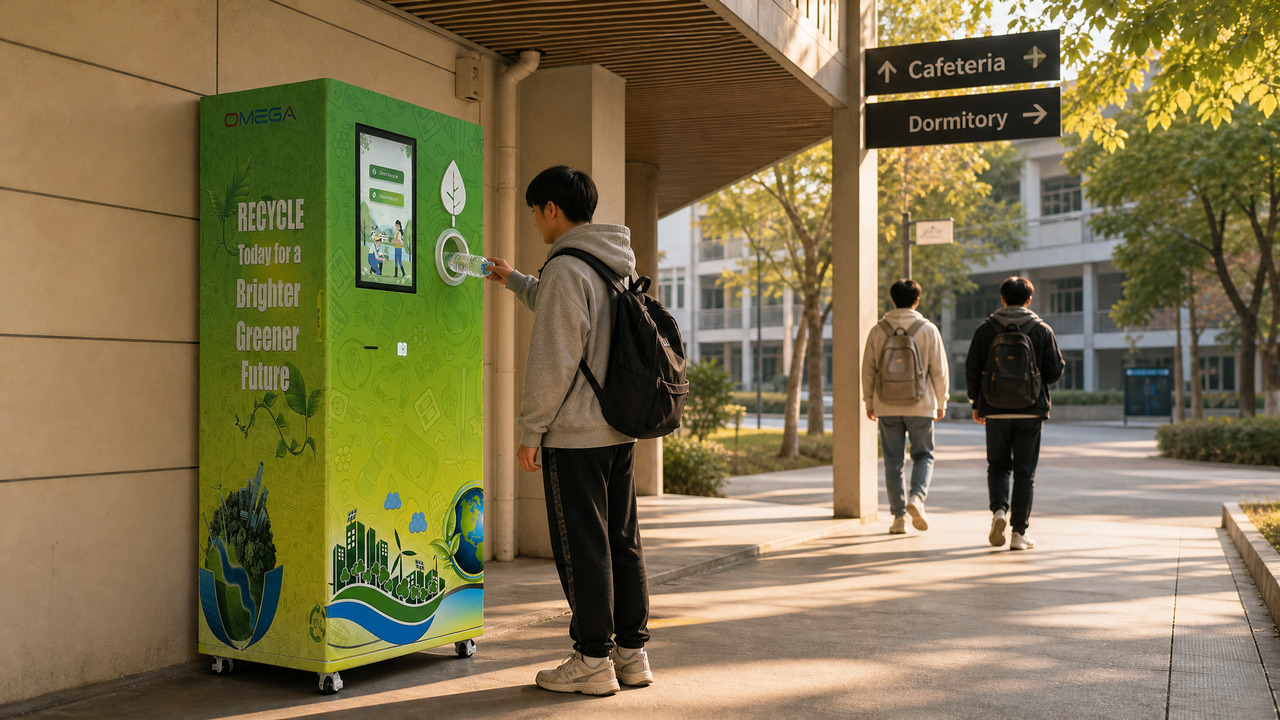
Students are usually found around academic buildings, cafeterias, dormitories and recreational areas. By placing the machine in or near these areas recycling is incorporated into the student’s daily routine. Pairing with environmental education activities may also increase students’ awareness about recycling machines.
Tourist Attractions & Parks
Visitors are likely to congregate around entrances, rest stops, dining areas and major sightseeing paths. Placing the machine in public places where people walk through makes it easy for them to recycle after they are done drinking.
Office Buildings and Business Parks
Employee movement paths are typically predictable. All are viable candidates, for example lobbies, staff break areas, cafeterias and shared corridors. Because traffic to the office is fairly consistent, it’s also easier to observe and adjust usage patterns through day-to-day operations.
Don’t Forget User Movement Flow
Placing the machine near an entrance gives high visibility, but entrances are not ideal for every venue. If space is limited, the machine can block passage or create queue congestion. In that case, consider a side area near the entrance, or a spot customers pass as they finish shopping and prepare to leave.
In large malls and mixed-use complexes, the machine can also go where main corridors meet rest zones. Users typically have more time to look around in these areas, making them more likely to notice the machine and its recycling instructions.
Use on-site observation to record traffic direction, dwell time, and peak periods across different zones, then match the location to the venue layout. When choosing a spot, also make sure there is enough operating space around the machine, both for users to deposit bottles and cans and for staff to clean, maintain, and service it.
Integrating the RVM Layout into the Venue
The location determines whether users can see the machine; the surrounding environment determines whether they are willing to approach and use it.
A reverse vending machine needs clear visual recognition. As users walk past, they should be able to quickly tell what the machine is for, which recyclables it accepts, and how to use it.
Use Clear Visual Signage
It can be identified by its exterior, on-screen content and nearby signage. Coordinate the exterior design with the visual style of the venue so the machine fits naturally in a mall, school or public facility. The surface of the machine should also indicate what the recycling is for, e.g. icons for plastic bottles and metal cans.
In larger spaces, the machine’s own signage may not be enough. Add directional guidance at nearby corridors, entrances or other public areas to assist users in locating it. Keep signs short and clear. Users need to quickly understand which containers are accepted, how to deposit them and how the rewards work. Too much text adds to the cost of learning and detracts from the experience.
Make the Machine Part of the Venue’s Green Image
More and more commercial venues use environmental initiatives to demonstrate social responsibility and sustainability, and a reverse vending machine can be a tangible carrier for these efforts. For example, a mall can include the machine in green shopping campaigns and display themes such as plastic bottle recycling and resource circularity around it; schools can tie the machine to environmental curricula and campus activities to teach everyday sorting and recycling; parks and tourist attractions can use it to promote public environmental protection.
When the machine connects with the venue’s environmental theme, users better understand the meaning of recycling and become more willing to take part.
Keep the Space Around the Machine Clean
The environment in which the machine is located directly affects the user’s perception of the recycling service. Clutter on the floor, residue near the intake or long periods of neglect can all be deterrents to use. Keep the machine in a clean operating area and incorporate routine cleaning into the on-site management.
Keep other items away from the machine so users can easily approach the intake. Consider weather protection for outdoor units such as rain cover, sun shading, and floor drainage based on site conditions.
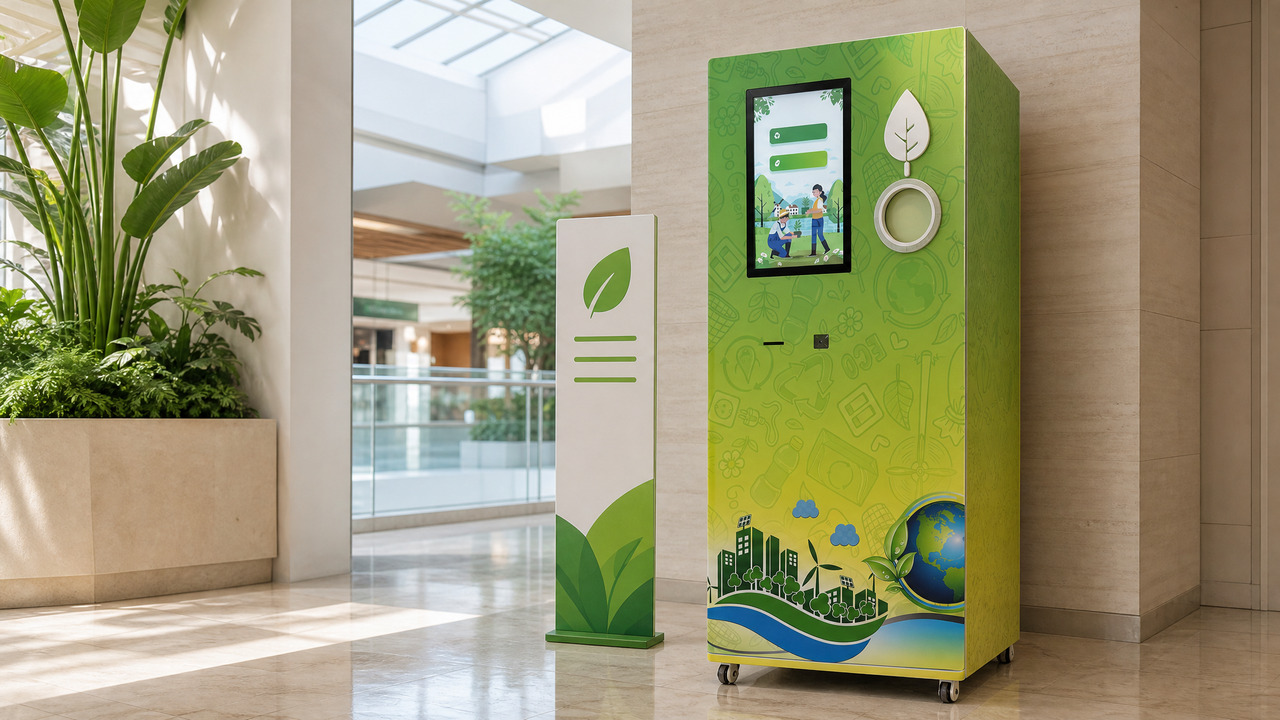
The reverse vending machine fits perfectly into the venue with a clean, bright, user-friendly recycling area.
Boosting Engagement with Reward Mechanisms
A key factor in whether users will continue to use a reverse vending machine is whether the recycling process is of clear value. A good incentive mechanism may improve the willingness of users to participate and can help the venue to cultivate consistent recycling habits.
Set Up a Deposit Return Mechanism
In places with a deposit return system, consumers pay a deposit on qualifying drinks when they purchase them. According to local rules, users can retrieve their deposit by returning eligible empty bottles or cans to the reverse vending machine. This offers users a direct financial incentive and ties recycling to everyday consumption.
If your project is in a market that has a DRS, research in advance the local container eligibility, deposit amounts, refund methods and system requirements. Configure machine recognition and refund flow based on local rules to assist users in completing recycling easily.
Encourage Repeat Use with Points and Coupons
Points and coupons work well for venues without a single deposit return system, or that want even higher participation. For example, users can get points for every eligible bottle or can they deposit, which can be exchanged for gifts, shopping discounts or other in-venue services. Also, malls can issue coupons for specific merchants during promotional campaigns which will encourage users to keep shopping even after recycling.
These rewards tie the recycling to the commercial activity of the venue. Coupons can also be a tool to bring customers back for retail stores and mixed-use complexes.
Introduce Charitable Donations and Eco Rewards
Not all users recycle for economic return. Charitable donations and eco rewards are also effective. Users may, for instance, donate earned points or rewards to selected public-welfare projects. Schools can link recycling activities to campus environmental goals to motivate pupils. Malls and companies can start themed campaigns to show users the real impact of their recycling.
The reward mechanism can also be combined with third-party platforms or custom systems, depending on the project requirements. This allows the reverse vending machine to support different venues’ membership programmes, promotions and charitable initiatives.
Make Reward Rules Easy to Understand
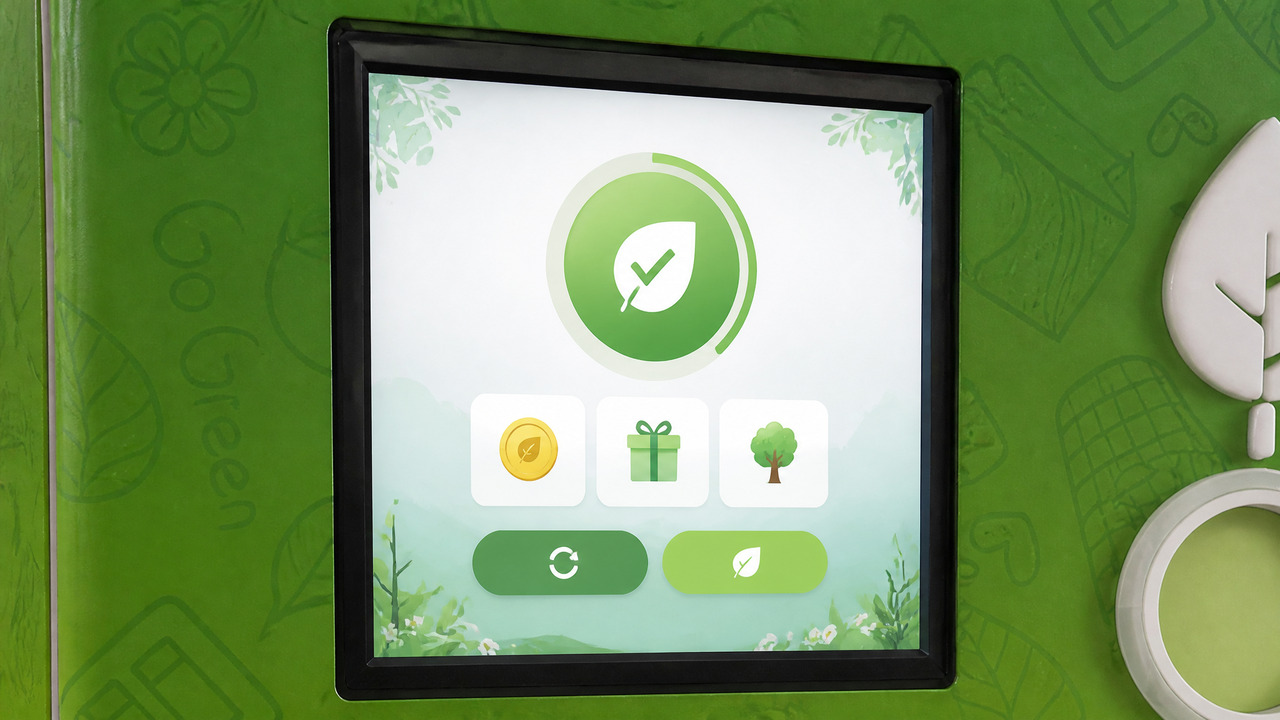
No matter which reward approach you choose, users must know the conditions and rules. The machine screen can display recycling steps, reward criteria and redemption methods, and the venue can post simple signage nearby explaining which containers are eligible, how to earn rewards and how to redeem them.
The clearer the rules , the smoother the recycling process . First time users need simple, explicit instructions above all else.
Optimizing the User Experience
Visibility attracts users, but the operating experience determines whether they complete the recycling and return. If users spend too long figuring out the steps or keep running into problems depositing items, interest wanes. Therefore the RVM workflow should be as simple and intuitive as possible.
Provide Clear Operating Instructions
The screen can display the steps of recycling, the types of containers accepted and the operational prompts. As soon as users approach, they should quickly understand how to start, how to deposit, how to finish.
For reverse vending machines, graphics and short text are generally easier for users who are new to the concept. Adapt the on-screen messaging for the local audience. If your machine has the ability to do voice prompts, utilise them to guide people through the process and reduce confusion.
Reduce Operational Barriers During Deposit
Reverse vending machines typically rely on recognition and verification systems to determine whether a container inserted is eligible for recycling. The machine must make it clear how to use the intake and what sort of bottles and cans it takes.
Post on site the types of containers accepted and basic requirements. For containers that do not qualify, the machine should use screen prompts or other feedback to tell users how to deal with them next.
Make sure there is enough space around the operating area for users of different ages to reach and use the machine. Before deployment, verify the installation height, intake position and surrounding passage space.
Use Screen Content to Boost Engagement
You can use the RVM screen for a number of things. It can display operating instructions, eco-education content, recycling campaign notices, venue event information and brand messaging.
Malls could have green campaigns on a regular basis, schools could have knowledge on resource recycling, and business parks could have green-office content on a regular basis.
If the machine has video or advertising capabilities, keep the content fresh with the event calendar for the venue, turning the machine into an information touchpoint in addition to its recycling function. Updating content regularly keeps it fresh, so when users pass by again they still stop to look.
Sustaining Usage Through Daily Operations and Maintenance
Deploying a reverse vending machine is not a one-time job. Once in service, the machine needs ongoing management to keep the user experience good.
Check Machine Operation Regularly
Malfunctions, recognition errors, or a full collection bin all disrupt normal use. Build a routine inspection process covering machine status, collection-bin capacity, and recognition system health.
If the machine supports remote status monitoring and anomaly alerts, you can respond promptly. Remote management also improves daily operating efficiency for projects with machines across multiple sites.
Schedule Recyclable Collection Sensibly
The collection-bin capacity limits continuous operation. If you leave recyclables in the machine too long, it may stop accepting new bottles and cans, which is bad for usability.
Frequency of set collection based on volume generated by each location. Keep a close eye on watch bin capacity in high-traffic areas like malls and transit hubs during peak periods. In schools and office parks, adjust schedules by weekday vs. weekend usage. By tracking fill levels over time, you can develop a collection plan for each site.
Keep the Machine and Operating Area Clean
Regularly clean the machine surface, intake, screen and floor around the machine. A well-maintained machine makes a much better impression in public spaces. Stains on the outside, illegible content on the screen or rubbish around the deposit area detract from the experience. Daily maintenance should combine cleaning of the machine, tidying up of the area and checking of functions.
Keep Adjusting Operations Based on Usage
Actual usage at each site often differs from initial estimates. After installation, monitor volume, recyclable types, user engagement, and machine status on a regular basis.
If a site stays underused for long, check whether the machine lacks clear signage, sits in an out-of-the-way spot, or offers an unclear reward mechanism. If queues form at peak times, consider relocating the machine, optimizing the operating space, or adding units to match demand. Through continuous adjustment, the machine gradually fits the venue’s traffic patterns and user habits.
Final Thoughts
Site selection, configuration of equipment, user incentives and daily operations all combine to keep a reverse vending machine attracting foot traffic over time. With over 13 years of experience, YUNYIN offers a wide range of reverse vending machine models and customized solutions, and can plan the right configuration for your site, traffic, and recycling needs. Whether for a mall, a campus, or an outdoor public space, contact YUNYIN to discuss a reverse vending machine deployment plan that fits your project.
FAQ
What site conditions do reverse vending machine projects require from the venue?
Generally, the venue should have a proper installation site, power supply or solar installation conditions, as well as arrangements for daily machine management and recyclable collection. Exact requirements depend on machine model, deployment environment and operating model. Check site size, passage, power and local recycling management requirements before installation.
What types of organizations typically purchase reverse vending machines?
Malls, supermarkets, airports, schools, office buildings, community management bodies, tourist attractions and environmental programme operators can purchase reverse vending machines according to their needs. The machines can also be used by beverage brands, retailers and resource recycling companies for brand sustainability campaigns, recycling programmes or deposit return schemes.
Can reverse vending machines be customized to project needs?
Yes. Depending on your real needs we can design the exterior of the machine, the on-screen content, the recognition and sorting configuration, the reward mechanism and system integrations.
When purchasing a reverse vending machine, which parameters should be compared?
Compare container recognition methods, sorting capability, number of collection bins, compression capability, processing throughput, power options, connectivity and backend management features. Consider the noise requirements of the venue, how much you’ll be recycling per day, and the maintenance conditions of the model you choose.
Can a single reverse vending machine handle both plastic bottles and aluminum cans?
Yes, if the machine is set up to recognise and sort them. YUNYIN’s reverse vending machine solutions can recognise and separate PET plastic bottles and metal beverage cans; select the model that fits the needs of your project.
Can reverse vending machines connect to a backend management system?
Yes. Connected machines shall support machine status monitoring and related data management as required by the project. For multi-site deployment, the backend management provides a centralised view of machine performance, which makes it simpler for operators to schedule maintenance and recyclable collection.
Can YUNYIN provide reverse vending machine solutions?
Yes. YUNYIN is a global supplier of reverse vending machines and related customised solutions. We can design the equipment configuration according to the recycling requirements, site conditions and operating model of the target country or region. If you are looking for a reverse vending machine manufacturer or supplier, please let us know your project location, expected recyclable types and deployment scale, so that we can discuss the right solution.