S12 Protein Powder Brewing Machine
Size: 1982(H) × 550(W) × 1100(D) mm
Weight: About 180 kg
Display: 21.5-inch, 1920 × 1080 pixels, brightness 250 cd/m²
Touch Screen: 21.5-inch capacitive multi-touch, touch response time < 15 ms
Main Board: Android main board, Rockchip RK3568, 16 GB ROM, 2 GB RAM
Menu Operation: Capacitive touch screen selection and purchase (Android system)
Cargo Capacity: Up to 300 cargo racks for powder and cup storage
Stirring Motor: 500 W, 15,000 RPM high-speed stirring
Temperature Options: Cold, warm, lukewarm and hot
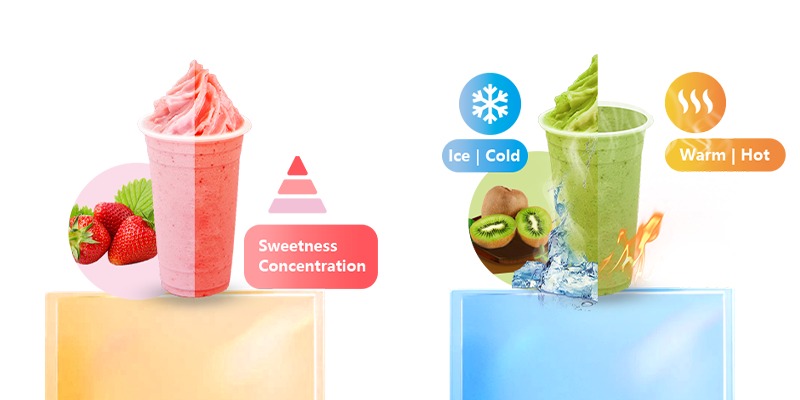
Flavour Control: Sweetness and concentration adjustable by the customer
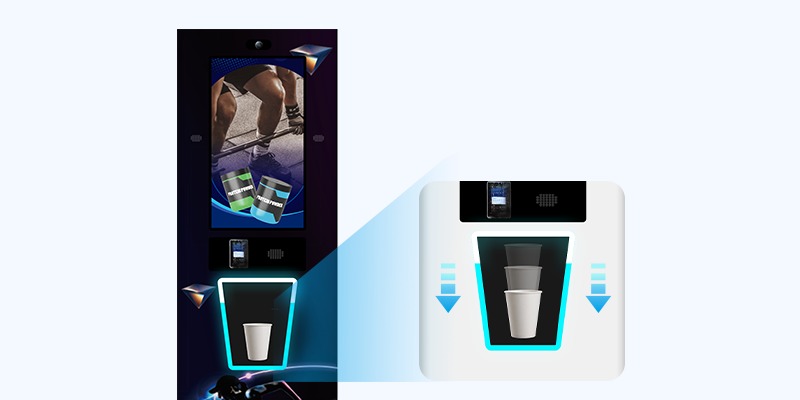
Cup Handling: Automatic cup dropping and automatic cup door opening after brewing
Cleaning: Automatic cleaning and sterilization of the mixing device after each drink
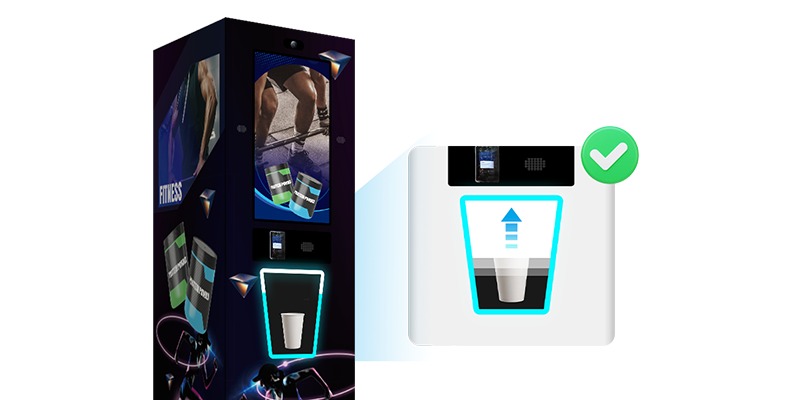
Lighting: Dynamic lights on the cup door rising with the brewing process
Network: WiFi / 4G IoT card connection with backend replenishment reminders
Voltage: AC220V / 50Hz, electric shock protection
Powder, Water, Cup — Done in Front of You
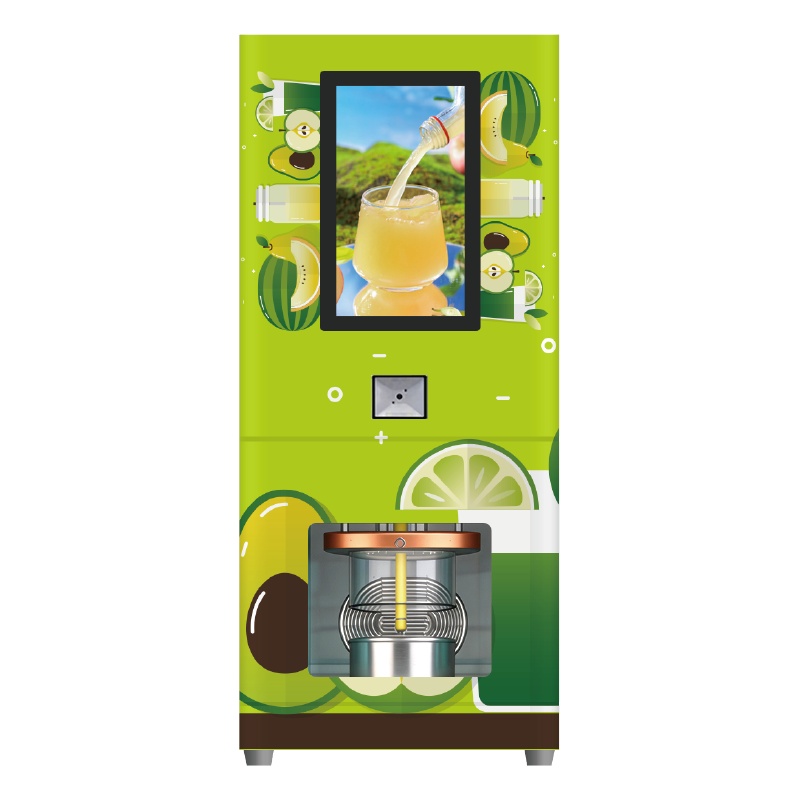
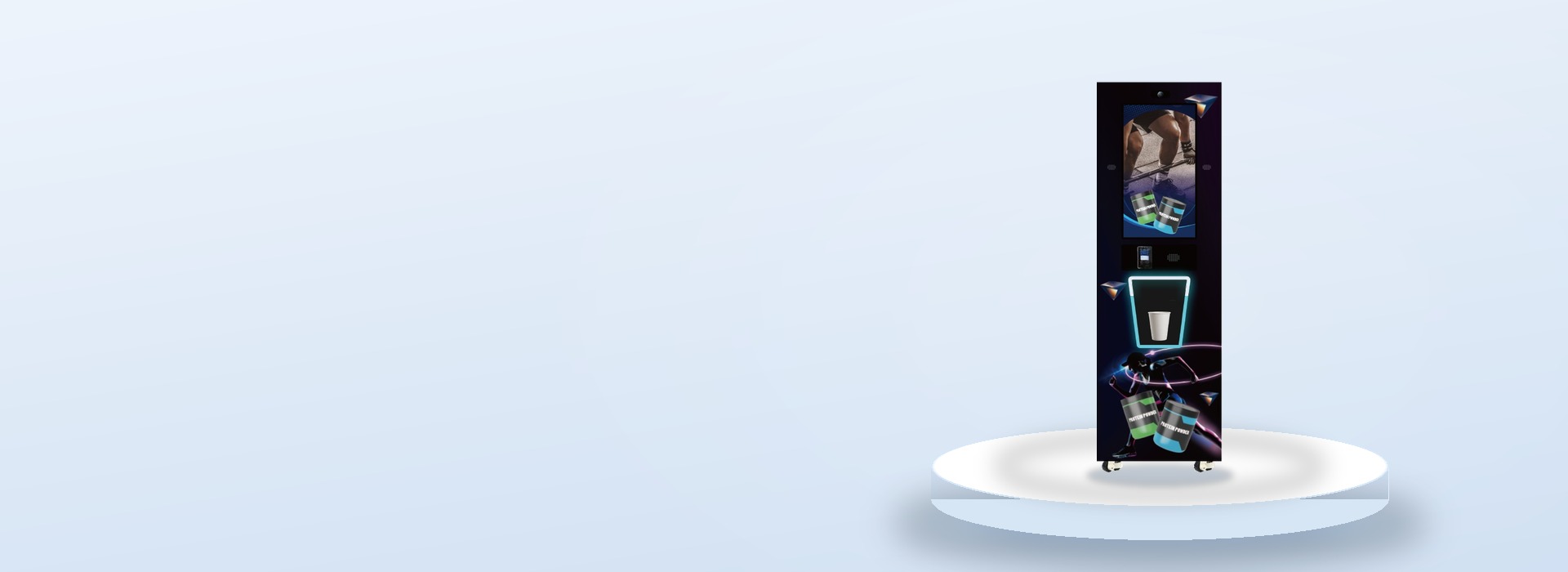
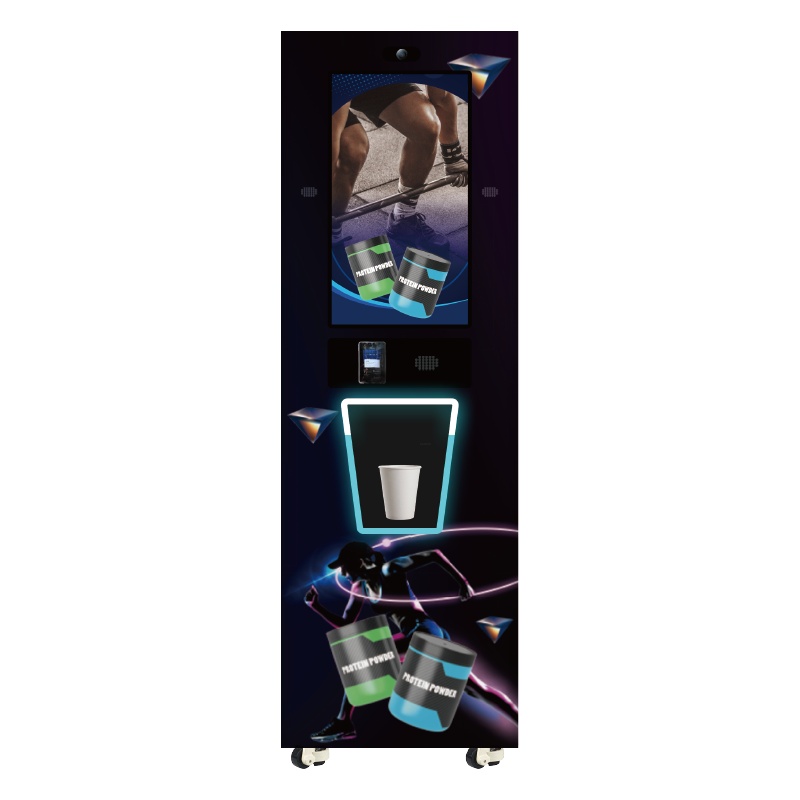
Front view: 21.5-inch screen at eye level, the cup door below it with its light strip, and the powder and cup storage behind. 550 mm wide and 1100 mm deep, so it stands against a wall in a gym floor or a hospital corridor.
No running video for this configuration yet. Tell us the site and we will film one drink end to end: cup drops, powder and water measured, blend, door opens — plus the cleaning cycle after it.
A Protein Bar With No Shaker and No Scoop
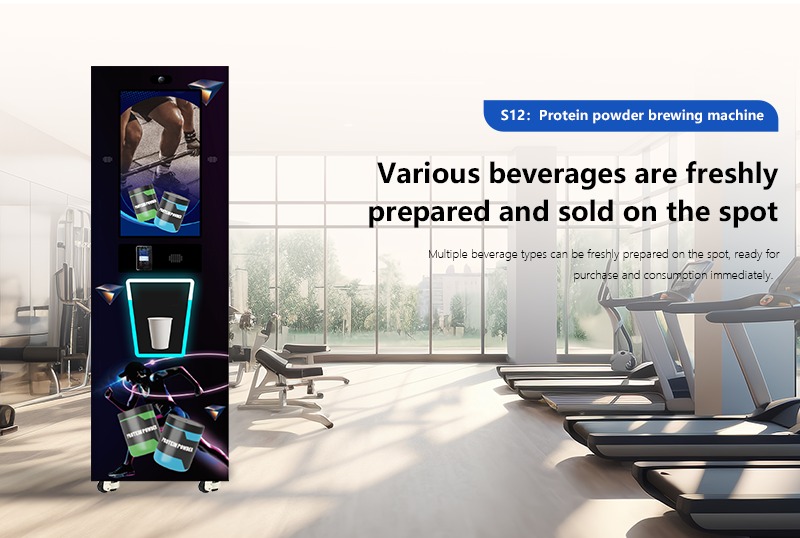
Gyms sell powder, but drinking it on site needs a shaker, water, a scoop and somewhere to wash up. This cabinet does the whole sequence: cup drops, powder and water are measured, the drink is mixed, the door opens.
The customer gets a fresh drink in a paper cup and walks away. The gym sells a higher-margin item than a bottle of water without adding a staff member or a sink.
Sweetness and Strength, Chosen by the Customer
Two sliders on the screen: how sweet, how strong. Behind them is the powder dose and the water volume, adjusted per order instead of fixed at the factory.
This is the detail that makes a repeat customer. Someone cutting weight and someone bulking want different drinks from the same machine, and neither wants to argue with a preset.
Four Temperatures, Because Not Everyone Wants It Cold
Cold, warm, lukewarm and hot. The same powder range works as a post-workout cold shake in July and a warm drink in a cold changing room in January.
Seasonality is where most single-temperature drink machines lose half the year. A machine that can serve hot in winter keeps earning when the cold drinks stop selling.
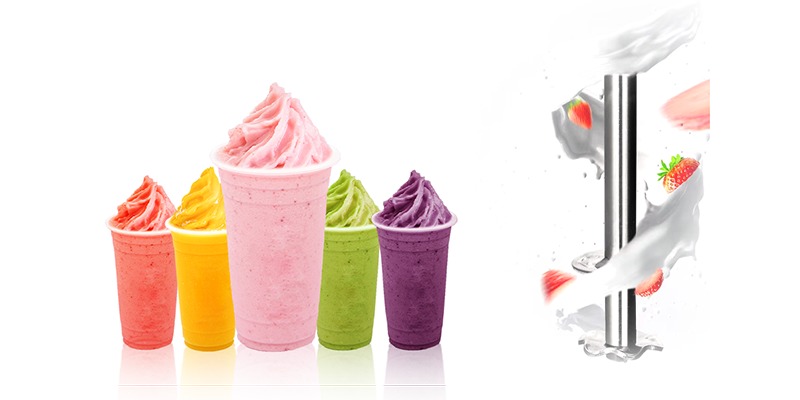
Four Colours, Four Products, One Cabinet
Strawberry, mango, matcha, blueberry — four powder lines running through the same brewing head, mixed to order rather than pre-blended and stored.
For a distributor, that is a range you can sell into one site instead of four machines. For the venue, it is a menu that looks like a juice bar without the prep kitchen.
Mixed Before It Reaches the Cup
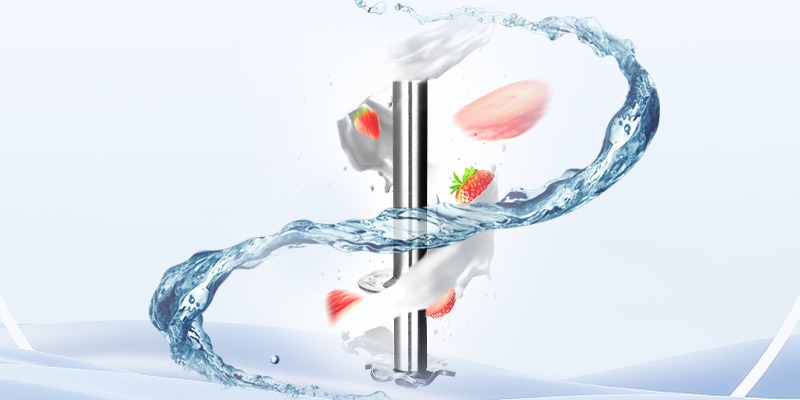
The powder and water meet in the mixing chamber first, then the drink goes into the cup. That is why there is no powder stuck to the bottom and no lumps at the rim.
Anyone who has tried to mix protein powder by hand knows the problem. Getting this step right is the difference between a drink people finish and a cup people throw away half of.
The Door Opens When the Drink Is Ready
The cup door stays closed through the whole process and opens only when the drink is finished, with the light strip rising as the cycle progresses. Nobody reaches in mid-brew and nobody burns a hand on hot water.
It also keeps dust and hands out of the brewing area between orders, which matters in a gym where the machine sits at floor level.
The Cup Is Filled to the Line, Not to the Brim
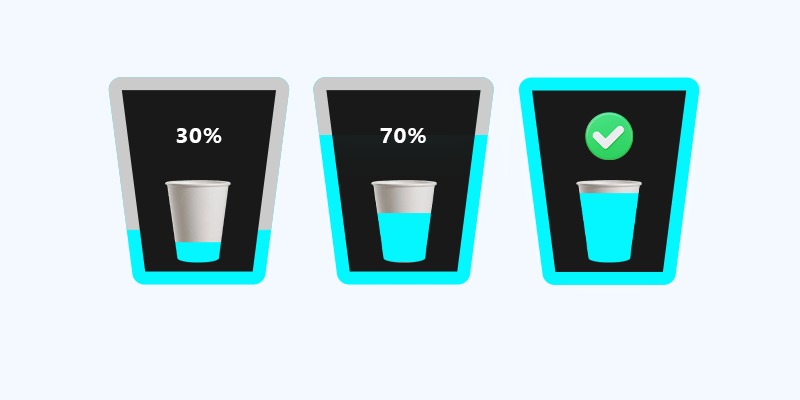
Fill level is controlled by the machine — 30 percent, 70 percent, full — according to the recipe and the cup size. No overflow onto the tray, no half-empty cup that looks like a short measure.
Small thing, large effect on complaints. Most drink-machine complaints are not about taste, they are about a cup that spilled or a cup that came out short.
The Backend Tells You What to Refill
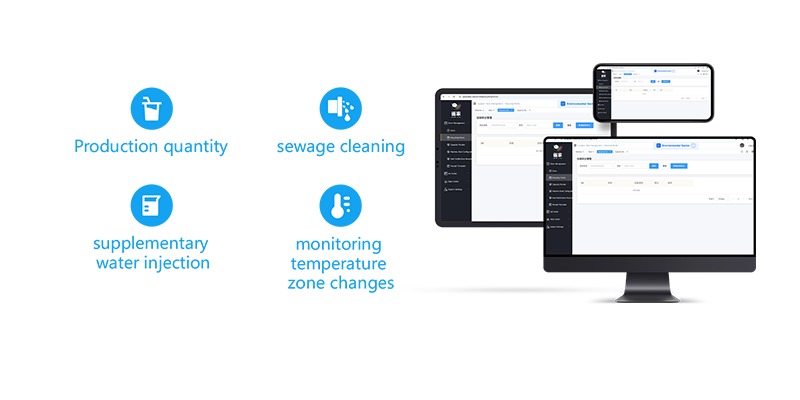
Production quantity, water injection, wastewater from cleaning, and temperature zone status all report to the backend. When powder or water runs low, the reminder arrives before the machine stops selling.
For a route of machines across several gyms, that is what keeps a refill visit from becoming an emergency call. You go when the system says so, and you bring the right refill.