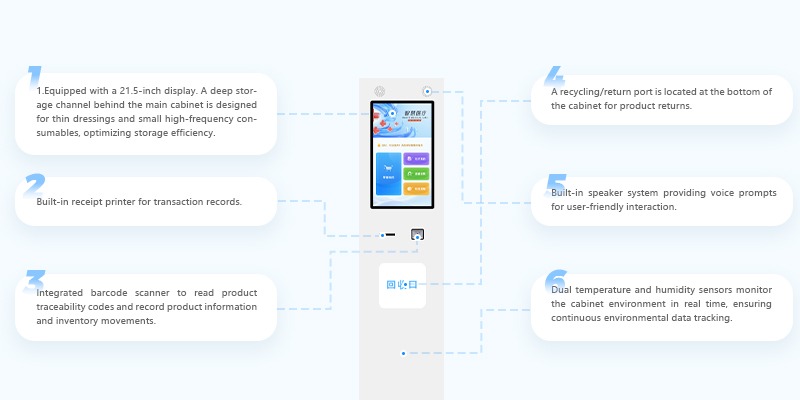
N1 21.5-Inch Smart Consumables Main Cabinet
Size: 1864(H) × 500(W) × 370(D) mm
Weight: About 70 kg
Display: 21.5-inch, 1366 × 768 pixels, brightness 250 cd/m²
Touch Screen: 21.5-inch capacitive multi-touch, touch response time < 15 ms
Main Board: Android main board, Rockchip RK3568, 16 GB ROM, 2 GB RAM
Menu Operation: Capacitive touch screen purchase (Android system)
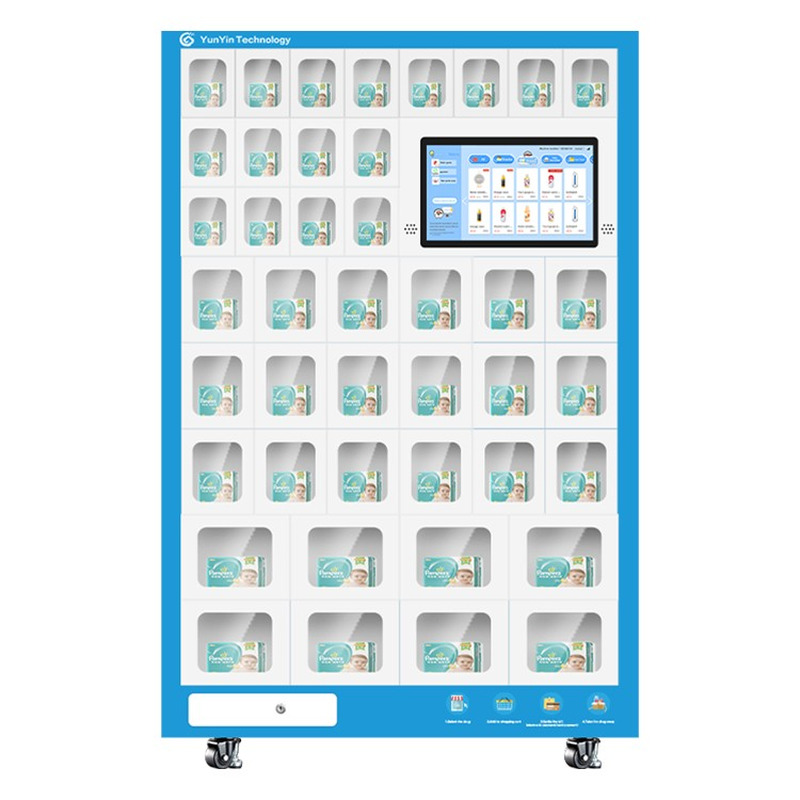
Spring Lanes: 3 layers × 3 columns behind the screen, 5 standard slots for eye drops, personal care and tissues, 15–90 items
Rear Storage: Deep rear compartment for thin, high-frequency consumables
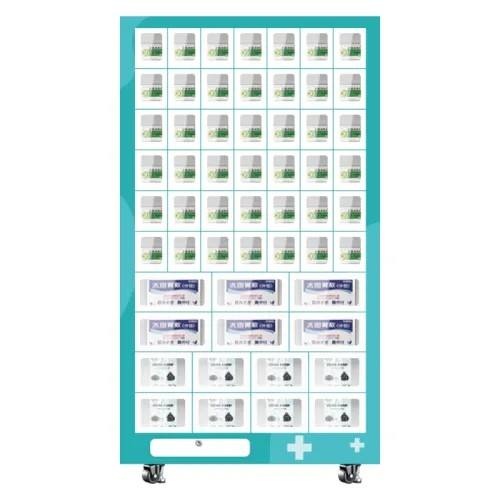
Return Slot: 4 return compartments below the main screen for patient self-service returns
Printer: Built-in thermal receipt printer for purchase vouchers
Scanner: Inverse barcode scanner reading product traceability codes
Environment Monitoring: Dual temperature and humidity sensors with real-time recording
Payment System: Cash / credit card / e-wallet payments supported
Network: WiFi / 4G IoT card connection
Power: About 150 W
Voltage: AC220V / 50Hz with anti-electric shock protection
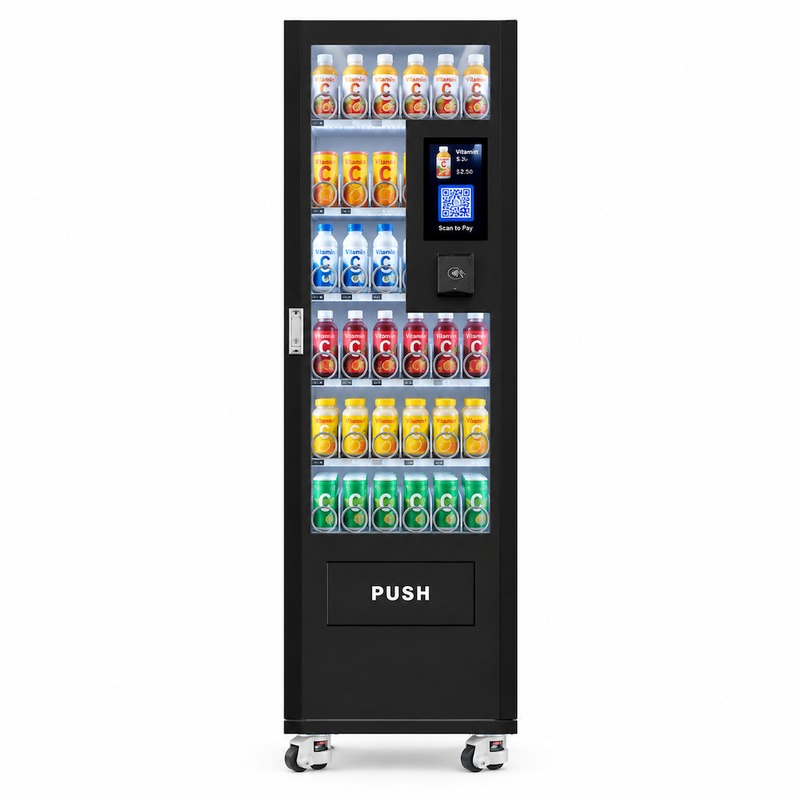
Front View, Actual Unit
N1 21.5-Inch Smart Consumables Main Cabinet photographed on a white background: the front face, the compartment layout and the base as it leaves our plant. Height 1864 mm, depth 370 mm — it lines up against a corridor wall rather than standing in a room.
No video for this unit yet. Tell us the ward and we will film a real issue: scan, door opens, item out, record written to the backend.
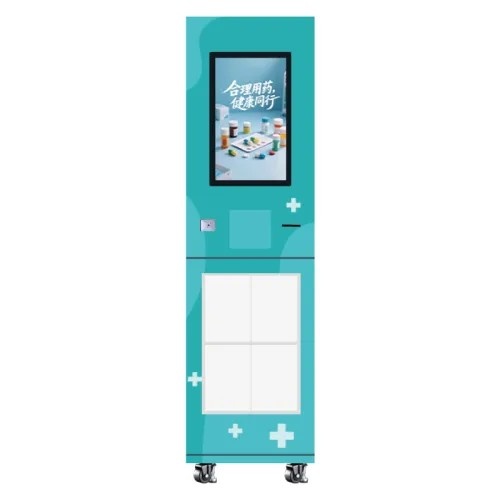
One Screen That Runs the Whole Ward
This is the only unit in the system with a screen, and everything else follows from it. A nurse scans a box here, the matching compartment in any connected sub-cabinet lights up, and the record is written against the patient or the department.
At 500 mm wide it fits a corridor wall that has nothing on it today. Behind the screen sit three layers of spring lanes for the small fast movers — eye drops, test strips, gloves — so those do not waste a full-size compartment.
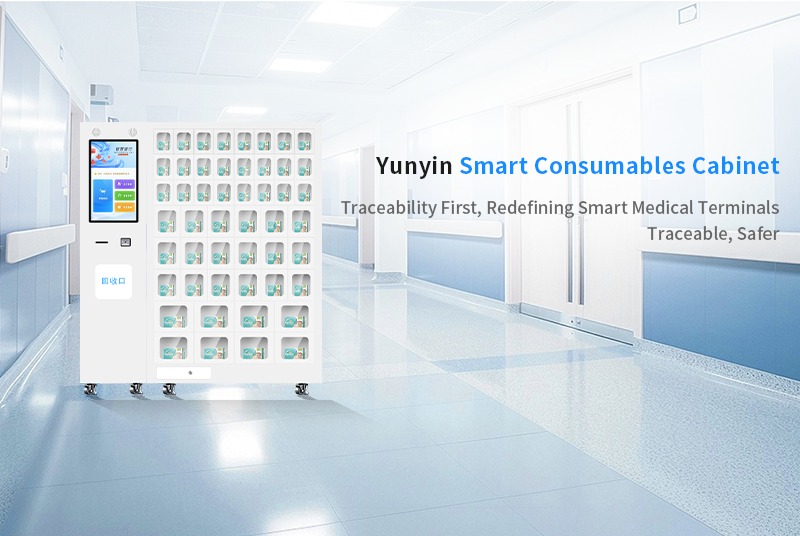
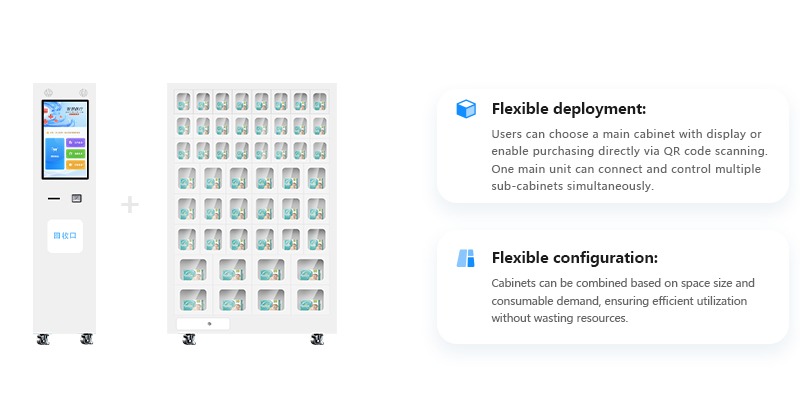
One Screen, as Many Cabinets as the Ward Needs
The main unit and the sub-cabinets are separate products for a reason. A small clinic starts with one main unit and one sub-cabinet; a 600-bed hospital adds sub-cabinets ward by ward, on the same backend, without buying another screen.
Sub-cabinets can also run without a screen at all — the nurse scans a QR code and the compartment opens. That is how a corridor with no power socket for a display still gets a locked, traced cabinet instead of a shelf.
Every Part of the Main Cabinet Has a Job
Top to bottom: the 21.5-inch screen, the deep rear compartment for thin high-turnover items, the thermal printer, the barcode scanner, the pickup bay, and four return compartments at the bottom.
The rear deep storage is the detail that matters in practice. Eye drops, gauze, test strips and gloves are small and move fast — putting them behind the screen instead of in a full-size compartment is what lets a 500 mm cabinet carry a useful range.
The Cabinet Tells the Nurse Which Door to Open
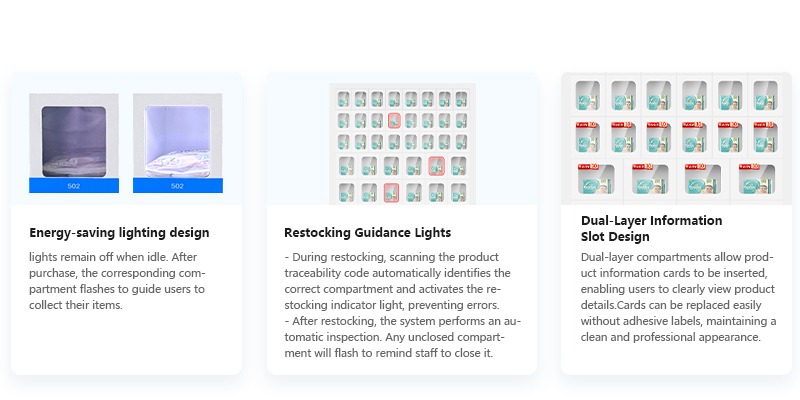
Restocking with a paper list is how a cabinet ends up with the wrong item behind the wrong door. Here the nurse scans the product code and the target compartment lights up; after restocking, any door left open flashes until it is closed.
Two more details in the same picture: compartment lights switch off when nobody is there, and each door has a double-layer slot for a printed information card — replaceable, instead of stickers that go yellow after a month.
Scan the Box, Not the Paperwork
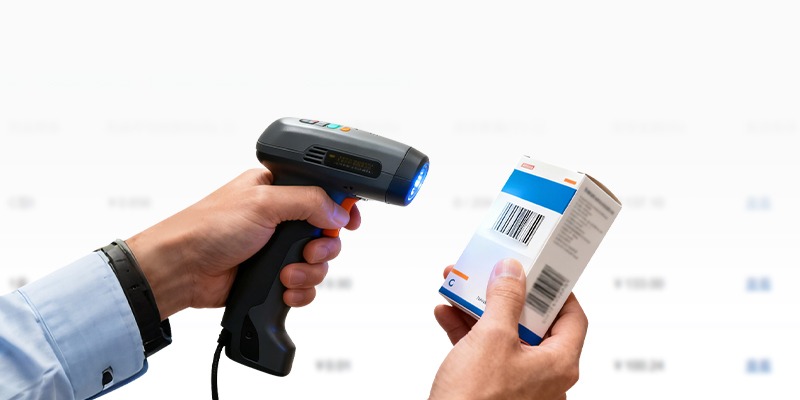
The inverse barcode scanner reads the traceability code on the pack itself. That single scan writes the batch number, the expiry date and the movement into the system — no manual entry, no transcription error, no missing link when a batch is recalled.
For a distributor or a hospital group bidding on a supply contract, this is the function that answers the question “can you prove where this box came from”. The answer is a record, not a promise.
Returns Without a Queue at the Back Office
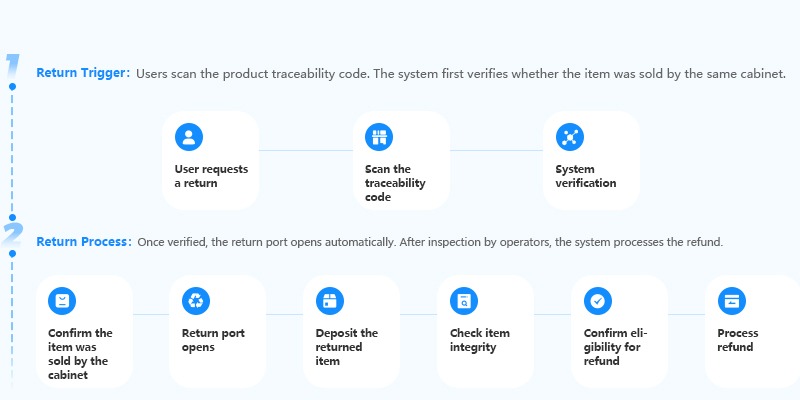
A patient scans the traceability code, the system checks whether the item came from this cabinet, the return port opens, the item goes in, and the operator confirms condition before the refund is processed.
Every step is recorded against the same code, so an item cannot be returned twice and the refund cannot be issued for something that was never dispensed here. That closes the loop most manual return processes leave open.
Expiry Dates Enforced by the System, Not by Memory
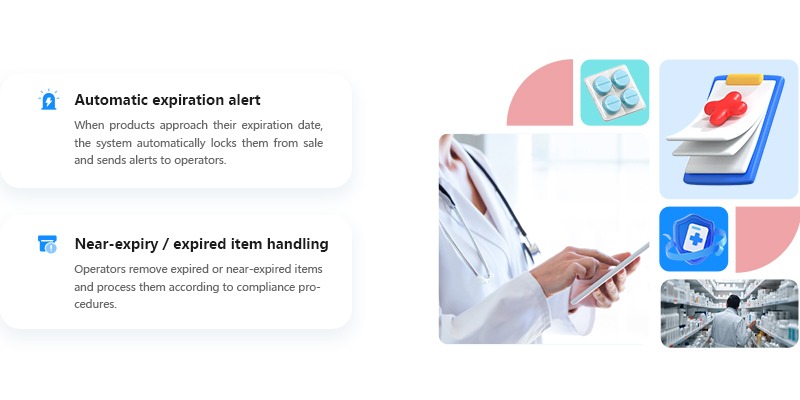
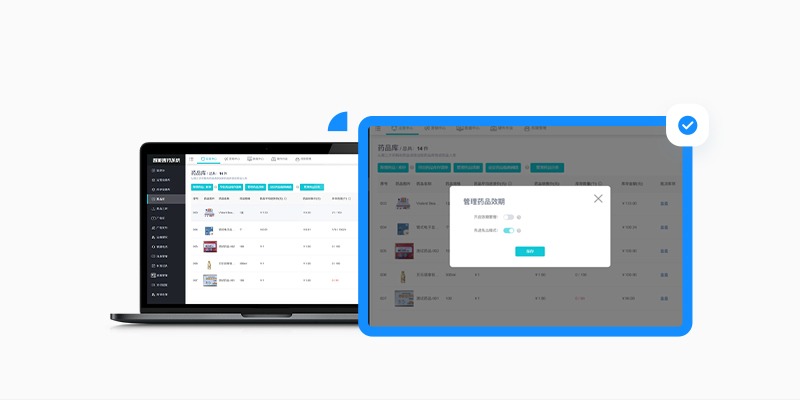
When a product approaches its expiry date, the system locks it out of sale automatically and alerts the operator. Near-expiry and expired items go through a separate handling flow instead of sitting in the cabinet until someone notices.
This is the difference between a stock rotation policy on paper and one that actually runs. Nobody has to remember which batch is oldest — the cabinet refuses to sell it.
The Purchasing Manager Sees Stock Before the Shelf Is Empty
The backend shows stock by compartment, movement history, expiry status and consumption by department — on a laptop, not on a clipboard. Replenishment lists come out of the system rather than out of someone’s head.
For a group running cabinets across several buildings, that is the view that turns twenty separate stock rooms into one inventory. You order against real consumption instead of a monthly estimate.
34°C Outside, 20°C Inside — and It Logs It
Dual temperature and humidity sensors monitor the cabinet in real time, with the readings written into the record rather than shown on a display and forgotten. The threshold is set by the pharmacy, and any excursion raises an alert.
Storage conditions are exactly what an inspector asks to see for temperature-sensitive consumables, and exactly what a paper logbook cannot prove. Here the log is generated by the cabinet itself.

The Doctor Writes It, the Patient Collects It
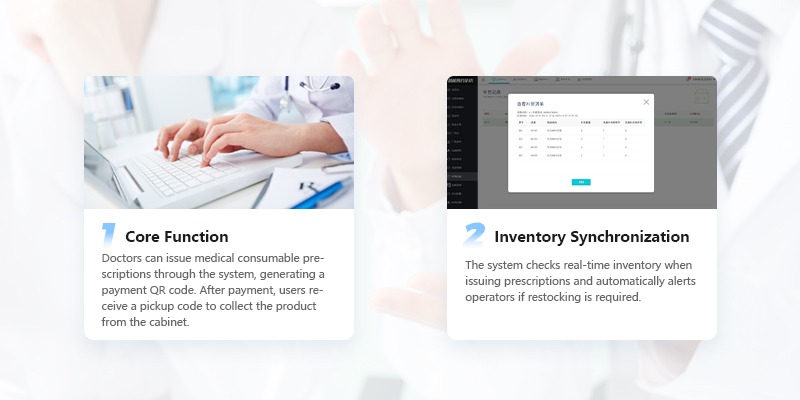
Doctors issue the consumable or prescription in the system, a pickup code is generated, and the patient collects from the cabinet without standing at a counter. Stock is checked at the moment of issue, and the operator is alerted when a line falls below its reorder point.
This is where the cabinet stops being a storeroom and becomes part of the clinical workflow. Fewer trips to the dispensary, fewer phone calls to check stock, and no patient sent to a shelf that turned out to be empty.
Who Can Open What, and Who Pays for What
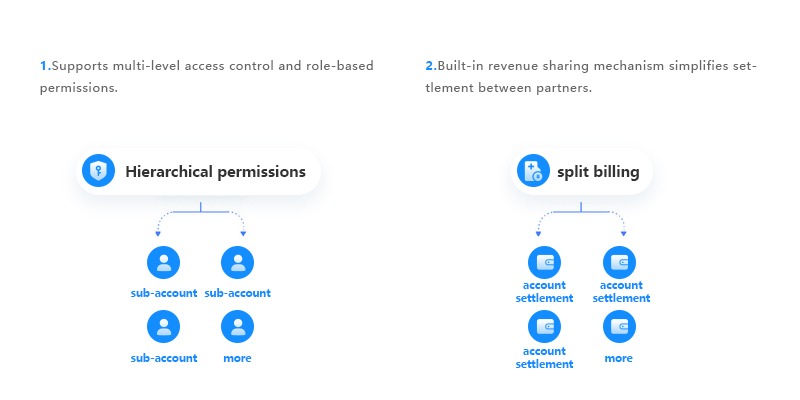
Access is hierarchical: a department head creates sub-accounts, each sub-account only sees its own cabinets and its own items. Split billing settles each department or each partner separately, with the settlement record kept alongside the movement record.
That is what makes a shared cabinet workable between a hospital and a supplier, or between two departments that both use the same corridor. Nobody argues about whose stock it was, because the system already knows.
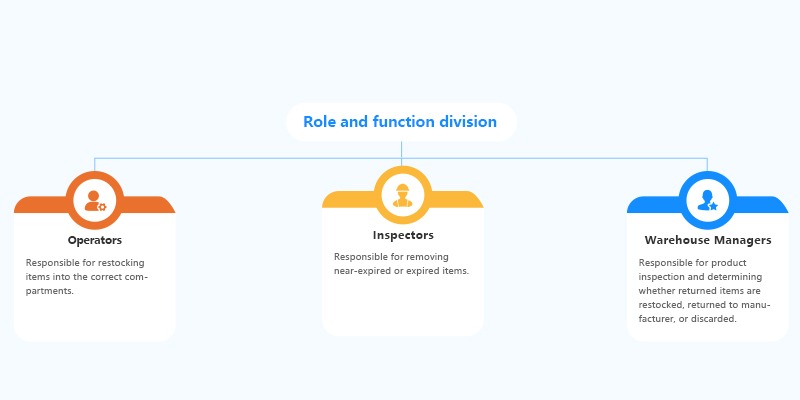
Three Roles, One Cabinet
Operators restock and place items in the right compartment. Inspectors remove near-expiry and expired stock and check quality. Warehouse managers decide what gets returned, sent back to the manufacturer or written off.
Each role gets its own permissions and its own record, so a stock discrepancy has an owner instead of a general suspicion. For a hospital procurement team, that is usually the reason they choose a system rather than a locked cupboard.