
TK-01 Single-Chamber Helmet Care Machine
Size: 1934(H) × 642(W) × 530(D) mm
Weight: About 120 kg
Display: 18.5-inch, 1920 × 1080 pixels, brightness 250 cd/m²
Touch Screen: 18.5-inch capacitive multi-touch, response time < 15 ms
Main Board: Android, Rockchip RK3568, 16 GB ROM, 2 GB RAM
Chamber Capacity: 1 helmet care chamber
Care Process: Ultrasonic atomization, deodorising ion disinfection, high-efficiency drying, negative ion purification
Consumable Cost: 5 L atomization liquid, enough for 400–500 helmets
Lighting: Integrated colour LED lighting for night use
Speaker: Built-in voice prompts during the care cycle
Payment System: Cash / credit card / e-wallet payments supported
Network: WiFi / 4G IoT card / network cable connection
Power: Standby 100 W, operating approx. 1200 W (drying stage 2 minutes)
Voltage: 220 V by default with anti-shock protection; transformer required in 110 V regions
Material: Wear-resistant stainless steel chamber, cold-rolled steel cabinet with eco paint coating
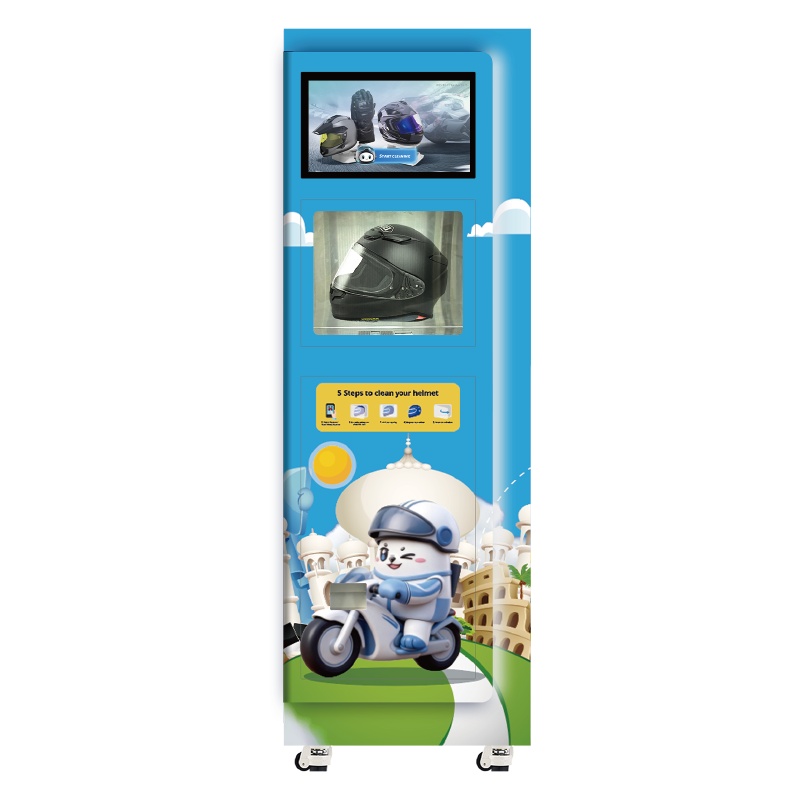
This Is the Machine, Front and Side
Front view: 18.5-inch screen at the top, the care chamber door below it, and the LED strip running the full height of the body. The cabinet is 1.9 m tall and 530 mm deep, so it takes a corner rather than a whole wall.
We do not have a running video for this configuration yet. Tell us which venue you have in mind and we will film a full cycle on a real unit — drop in, atomization, drying, and the helmet coming out.
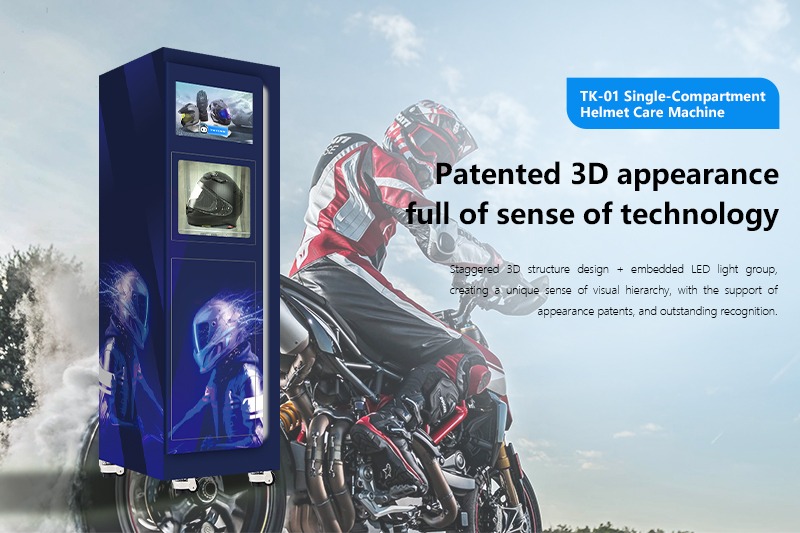
A Cabinet You Notice From Across the Hall
Staggered panels, an LED strip running the full height, and a deep blue body — this does not look like a converted storage cabinet. The 18.5-inch screen sits at the top, the chamber below it, and the machine is 1.9 m tall, so it reads clearly from the end of a corridor.
The exterior is patented. In practice that means two things: a venue manager is more willing to put it in a visible spot, and the shop down the road cannot buy an identical-looking shell and undercut you with it.
Four Stages, One Cycle
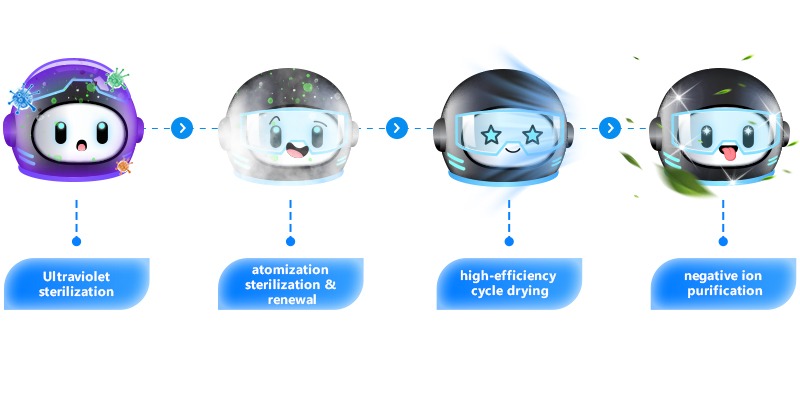
The cycle runs in four stages: ultrasonic atomization pushes the liquid into a fine mist, deodorising ions break down the smell at its source, a high-efficiency air stage dries the liner, and negative ions finish the job so the helmet does not come out damp.
A rider drops the helmet in, pays on the screen, and comes back to something dry enough to wear. No hanging it on a balcony overnight, no paper towel stuffed inside the shell in the morning.
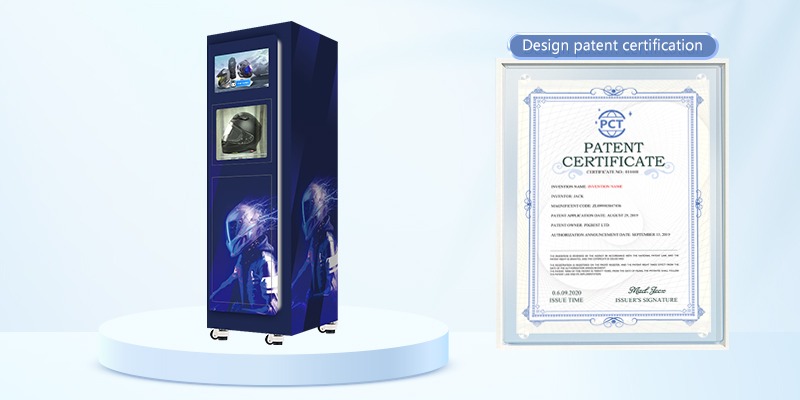
The Patent Behind the Shape
The certificate next to the machine is the design patent for this body. It is not a marketing badge on a brochure — it is the reason the shell cannot be copied outright, and it is the document you put on the table when a distributor asks why they should take your line instead of a cheaper clone.
If you are building a brand in your own market, being the only one selling this shape is worth more than a few dollars off the unit price.
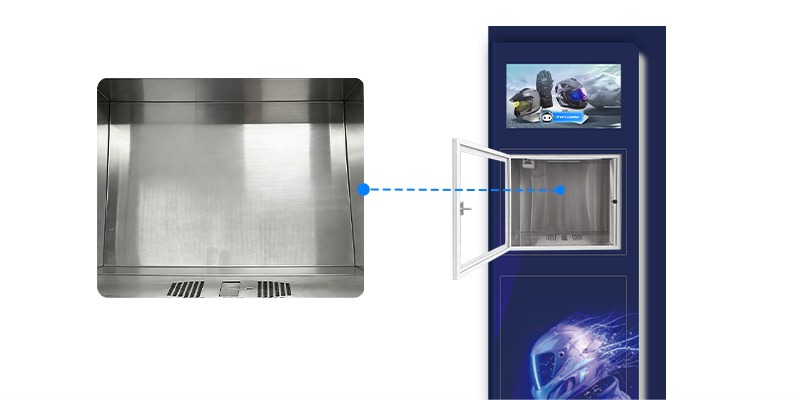
Stainless Steel Inside, Where It Counts
The chamber is wear-resistant stainless steel. Sweat, salt and hair product land on that surface every single day, and that is exactly what eats through a painted or plastic interior inside a year.
Stainless wipes clean with a cloth, does not stain, and does not hold smell. On a route of forty machines with a weekly wipe-down, the material decides how long each stop takes.
Air From the Top and From the Bottom
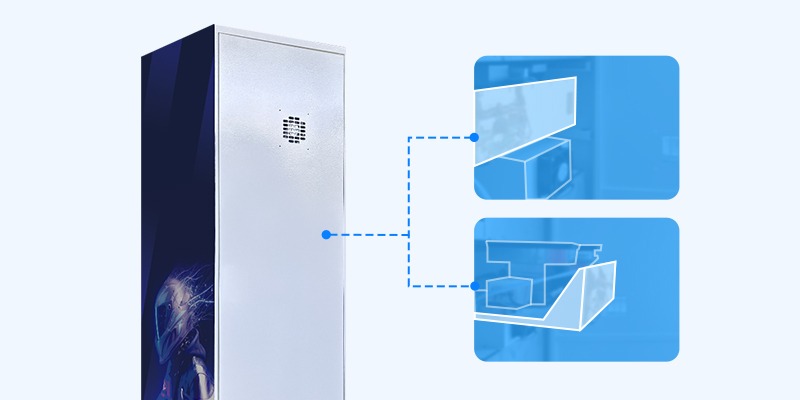
Mist and air come out at two heights — one outlet near the crown of the helmet, one at the base. A single top-mounted nozzle leaves the chin bar and the lower padding damp, and that is exactly where the smell lives.
Two outlets mean the inside of the shell gets the same treatment as the outside. The helmet comes out dry through the whole liner, not just at the top where the air hits first.
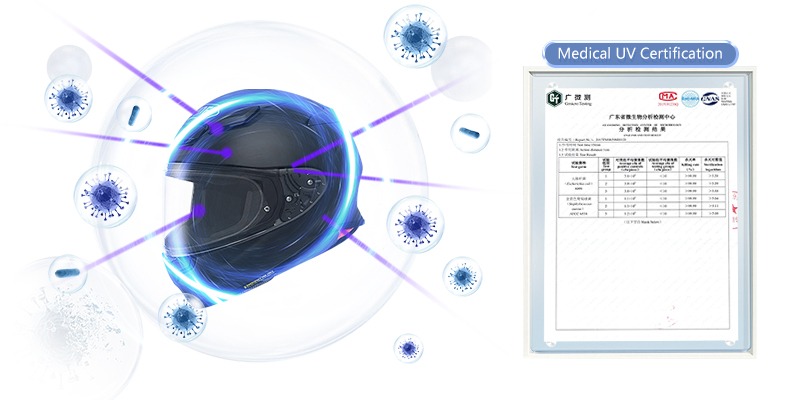
UV Sterilization, With the Paperwork to Prove It
The blue ring in the picture is the UV stage. Next to it is the medical-grade UV certification — the document buyers ask for the moment a machine is going into a hospital, a clinic, a gym chain or a school.
Those are also the venues that pay the best rent per square metre, and they will not sign without the certificate in hand.
The Part That Decides the Mist Quality
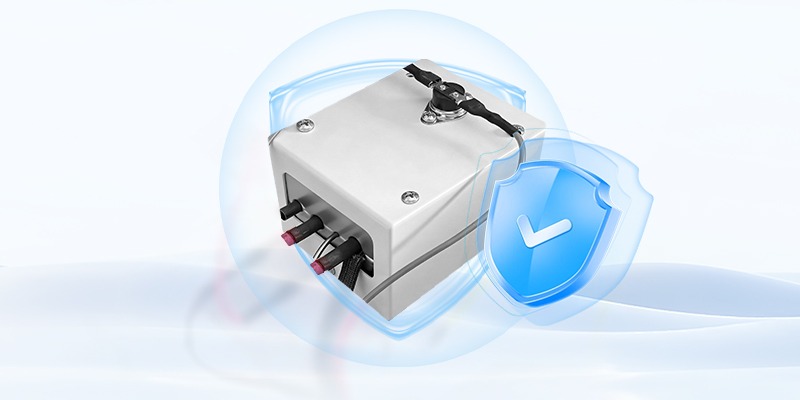
This is the atomizer module: pump, liquid feed and ultrasonic element in one block. Cheap machines use a household-grade mister, the droplet size is uneven, and half of the liquid condenses on the chamber wall instead of reaching the helmet.
A proper ultrasonic module puts the liquid where it is needed. That is why 5 litres lasts 400 to 500 helmets here instead of a fraction of that on a machine that wastes mist.

Why Our Air Path Looks Different From Theirs
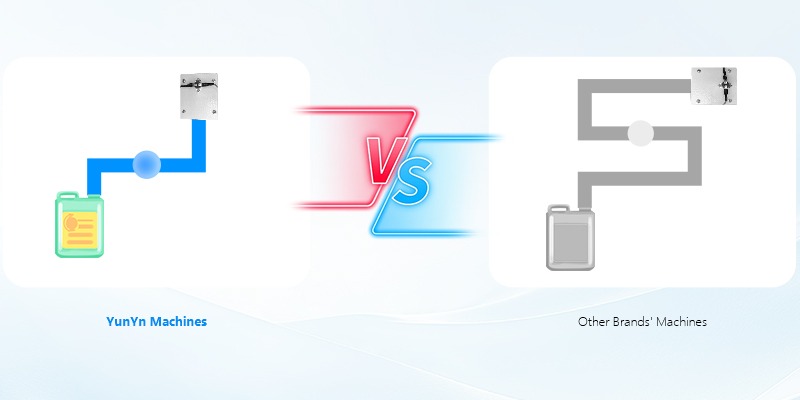
Left is ours, right is the typical budget layout. Our design splits the flow into two independent lines; theirs runs a single pipe and branches it at the end, so the second outlet always gets less pressure than the first.
On their machine that shows up as uneven drying and liquid pooling in the low line. On yours, both outlets behave the same way from the first helmet to the thousandth.
Fewer Bends, Fewer Blockages
Same comparison, different angle: count the joints. Ours runs from the tank to the chamber with two bends and one connector. The typical budget build snakes through four elbows and three push-fit joints to reach the same place.
Every joint is where scale collects and where a line eventually starts to weep. Fewer joints means fewer service calls, and service calls are the cost nobody puts in the business plan.

Liquid Level and Machine Status on Your Phone
The control board reports liquid level, cycle count and fault codes back to the cloud. Open the app, see which machine is running low, and send the refill to the site that actually needs it.
On a route of twenty units, that is the difference between driving to all twenty and driving to the three that need attention this week.
Drying at 70°C Without Cooking the Liner
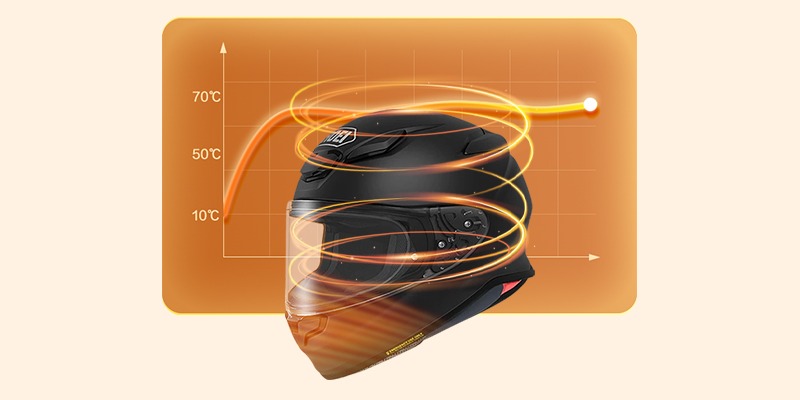
The drying stage runs up to 70°C at the top of its range, with 50°C and 30°C steps below it. Hot enough to drive moisture out of the padding, controlled enough that the EPS liner and the glue do not soften.
Temperature and cycle length are set from the screen or the backend, so a market that prefers a gentler cycle can be configured without changing any hardware.
Helmets and Gloves, Same Cycle
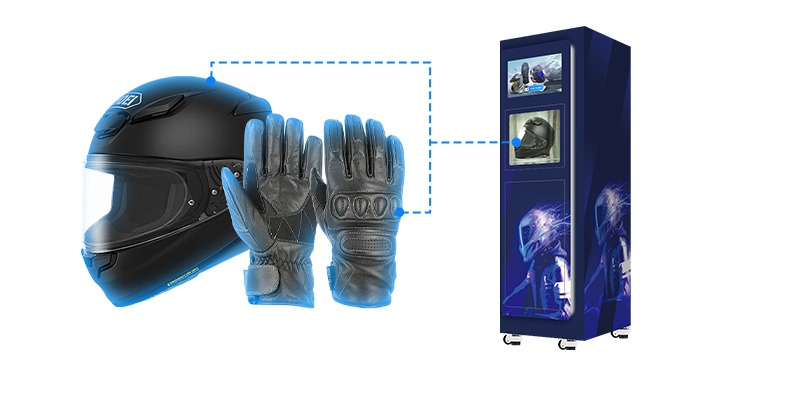
The chamber is built around a helmet, and the same cycle works on riding gloves. Riders who take the helmet out usually have a pair of gloves in the other hand — and gloves hold smell just as badly as a liner does.
For a rider standing there in the rain, that is an easy upsell. For you it is more revenue out of the same cycle of machine time.
What Comes Out: Dry, Odour-Free, No Residue
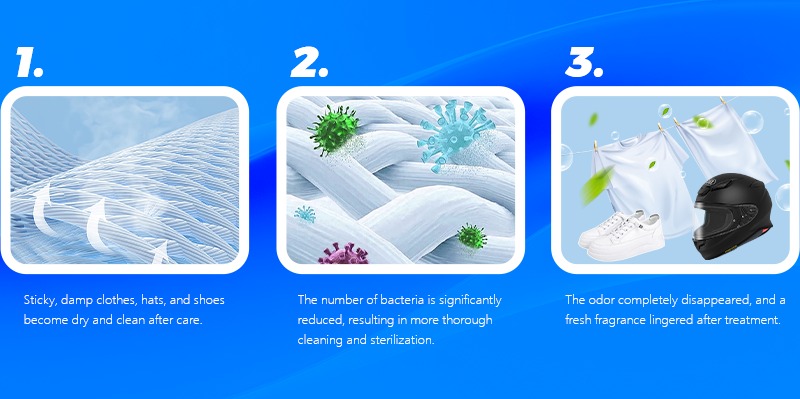
The three panels say it plainly. A liner worn every day grows bacteria and starts to smell. After the cycle the count drops sharply. What the rider actually notices is that the stain fades and a clean smell comes back.
That last part is what people pay for. They cannot see a bacteria count, but they can smell the difference the second they put the helmet back on — and that is the moment the next customer decides to try it.