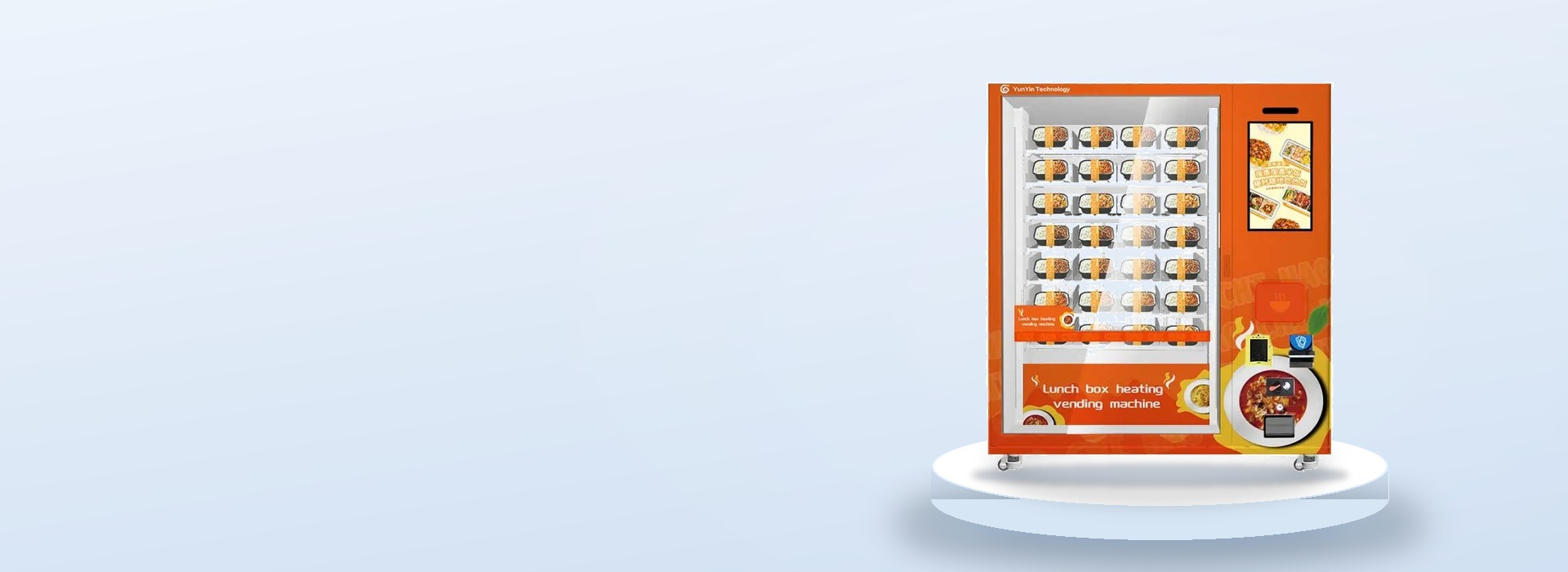
S3 Microwave Oven Heating Intelligent Vending Machine
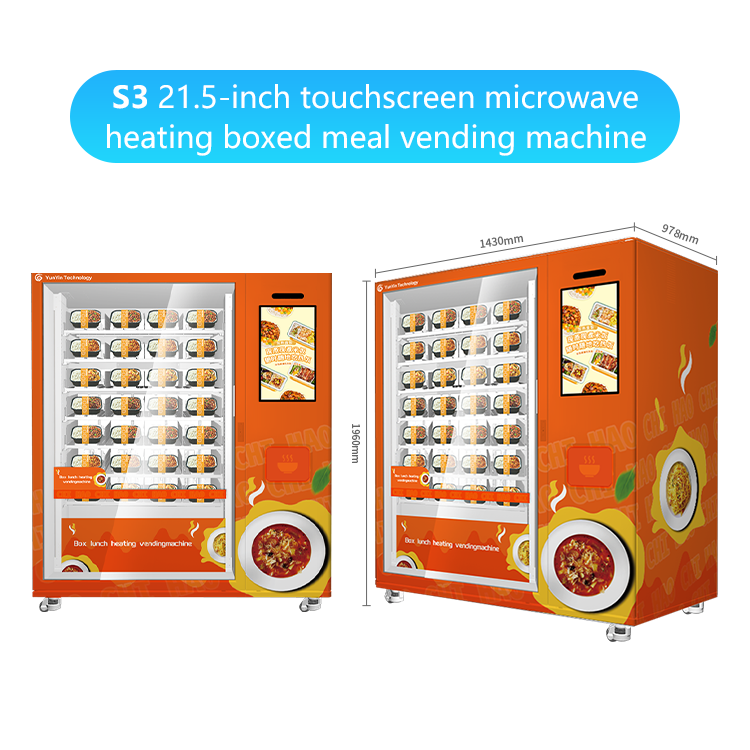
Size: 1956(H) × 1430(W) × 978(D) mm
Weight: About 450 kg
Display: 21.5-inch, 1920 × 1080 pixels, brightness 250 cd/m²
Touch Screen: 21.5-inch capacitive multi-touch, response time < 15 ms
Main Board: Android main board, Rockchip RK3568, 16 GB ROM, 2 GB RAM
Single-Chip Microcomputer: Microcomputer control terminal, supports up to 80 lanes, sound and light control, multi-channel sensor feedback, automatic addressing for the lifting system
Menu Operation: Capacitive touch screen selection and purchase (Android system)
Payment System: Cash / credit card / e-wallet payments supported
Network: WiFi / 4G IoT card / network cable connection
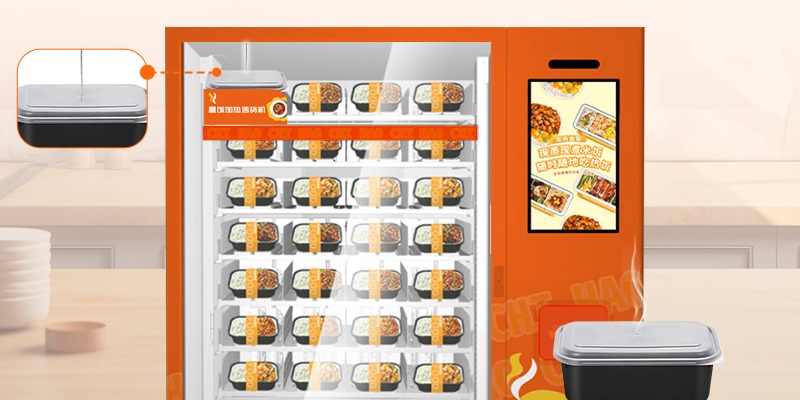
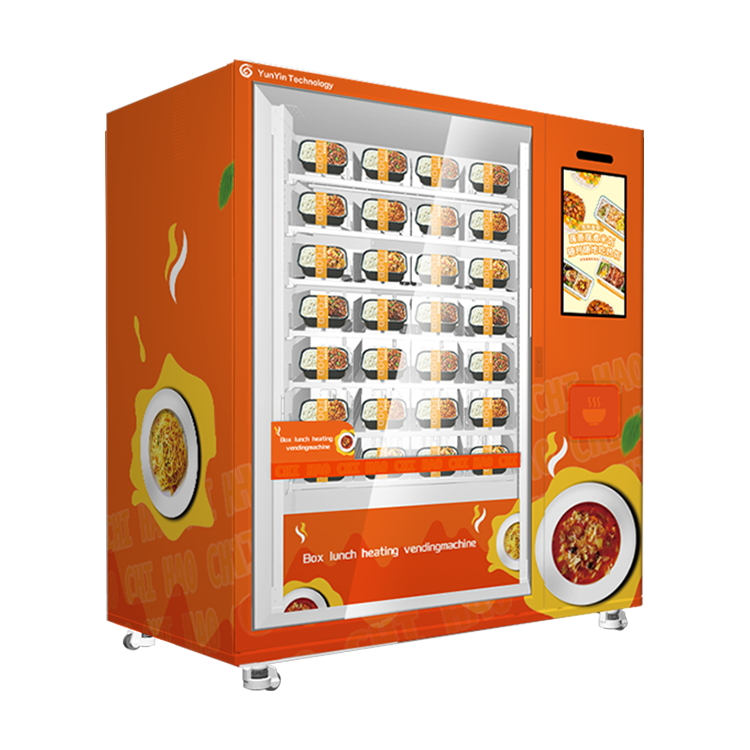
Cargo Channel Quantity: 7 layers × 4 columns of push-plate lanes, 3 boxes per column, about 84 boxes in total (adjustable and customizable)
Temperature System: Energy-saving compressor with timed switching, working temperature freely adjustable within the set range
Heating System: 2000 W industrial microwave oven, heating duration adjustable from the backend
Power: About 2600 W in total, microwave oven 2000 W
Voltage: AC220V / 50Hz, electric shock protection
Cold Shelf In, Hot Meal Out
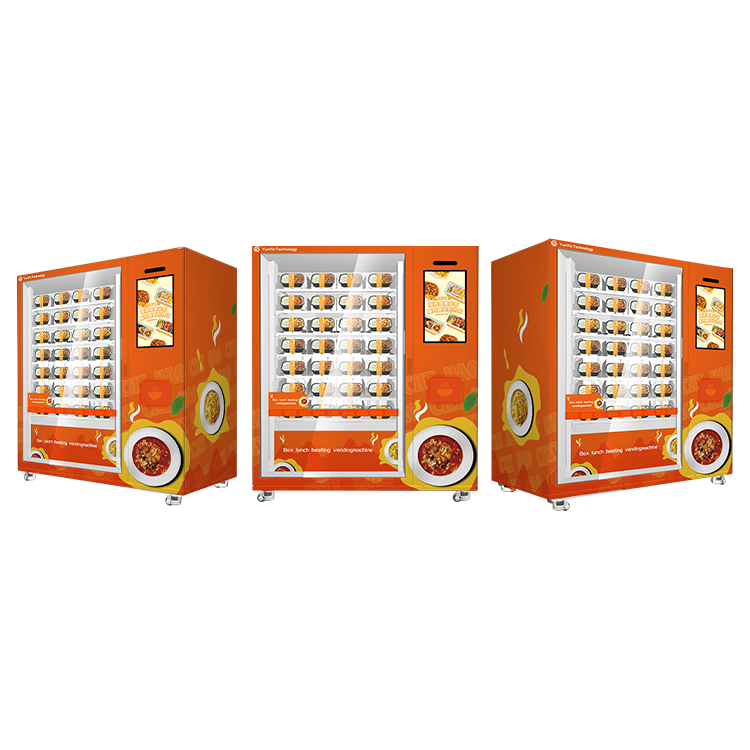
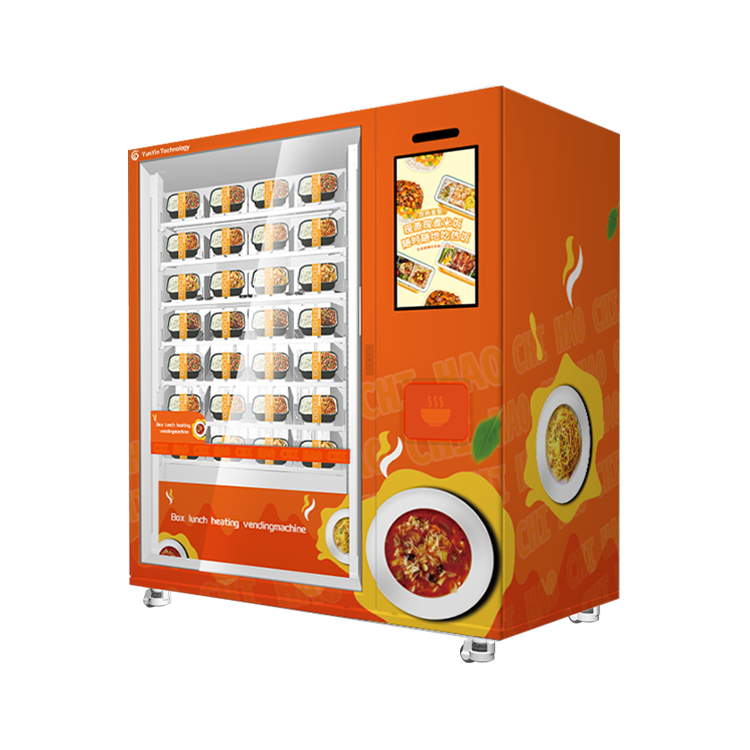
Front view: 21.5-inch screen, four push-plate columns behind the glass, and the pickup opening at hip height. The cabinet is 1430 mm wide and 978 mm deep — it needs a wall, not a kitchen.
We have not shot a running video for this configuration yet. Tell us the site and we will film a full order on camera: box picked, carried to the microwave, heated, delivered — so you can see the timing before you place a deposit.
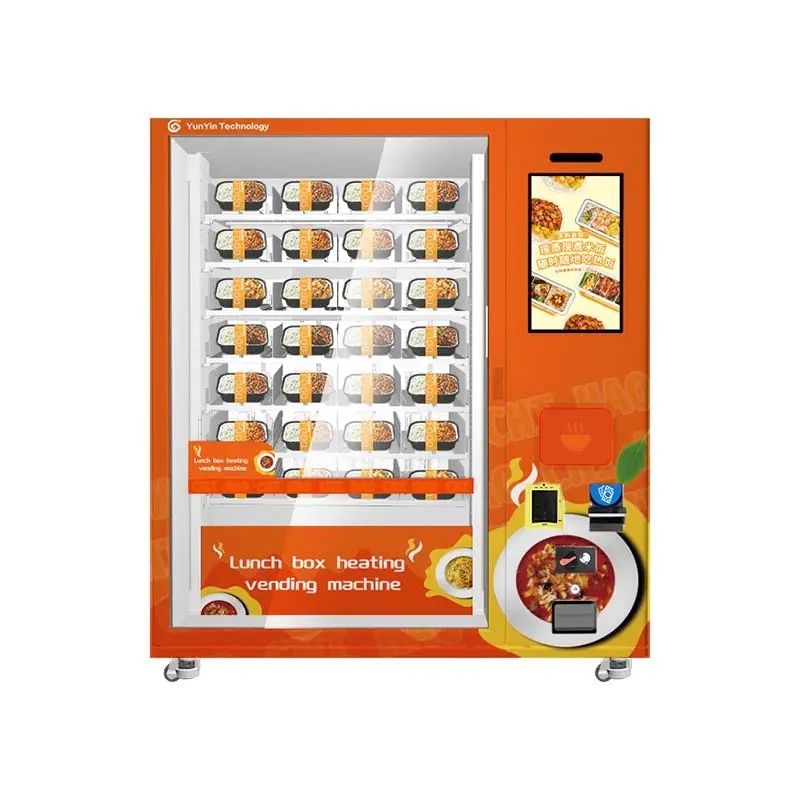
A Hot Food Counter Where the Queue Used to Be
Office lobbies, hospital corridors, factory gates, campus buildings — the demand for a hot meal at 12:30 is real, but a staffed counter costs a salary and a lease. This cabinet takes the same meals, keeps them cold overnight, and heats one on demand.
It also holds 84 boxes, so one machine covers a full lunch peak without a refill run in the middle of it. For an operator, that is the difference between a route of forty machines and a route of eighty.
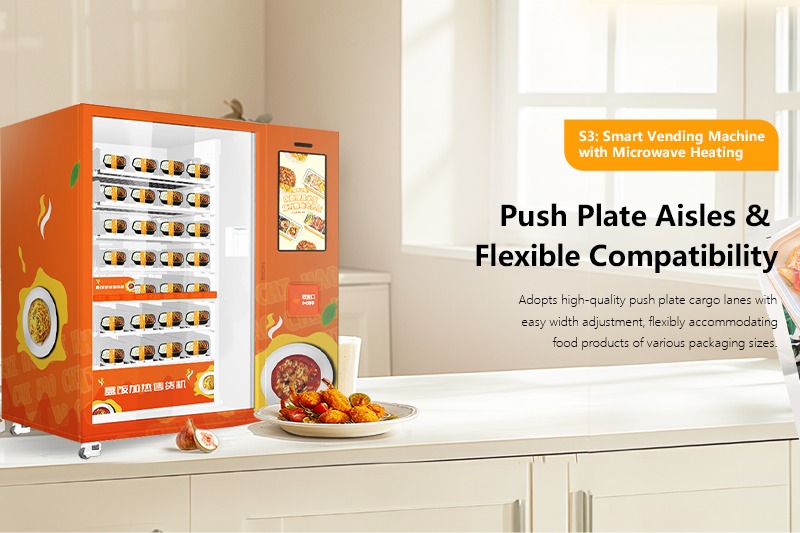
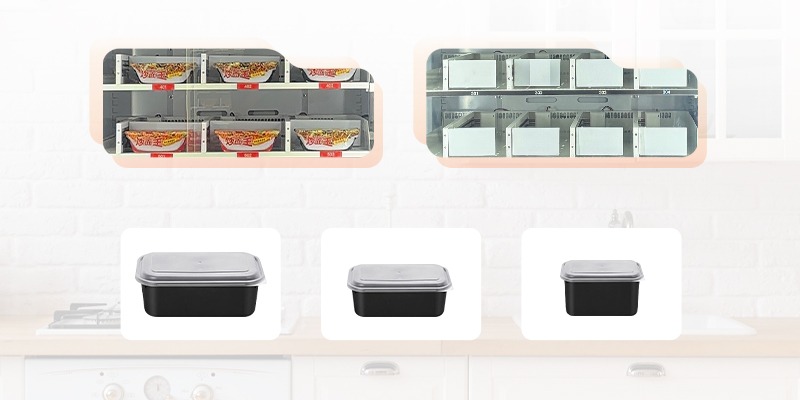
Push Plates That Take Whatever Your Supplier Sends
The lanes use push plates, not fixed slots. The plate width is adjustable, so a round noodle bowl, a flat meal tray and a vacuum-packed snack all sit in the same cabinet without a dedicated lane for each.
This matters more than it sounds. Most operators buy from two or three local food suppliers, and their packaging changes with the season. A lane that only takes one box size turns half your stock into a problem at 11 p.m.
84 Boxes on Board, One Screen to Run Them
Seven layers, four columns, three boxes per column — 84 boxes, standard lunch-box size, adjustable if your packaging differs. The screen shows the whole cabinet as a menu with photos, prices and stock, and a box that sells out greys itself out.
The pickup bay takes boxes from 75 to 100 mm tall, which covers the bento trays, salad bowls and sandwich packs that actually sell in this channel.
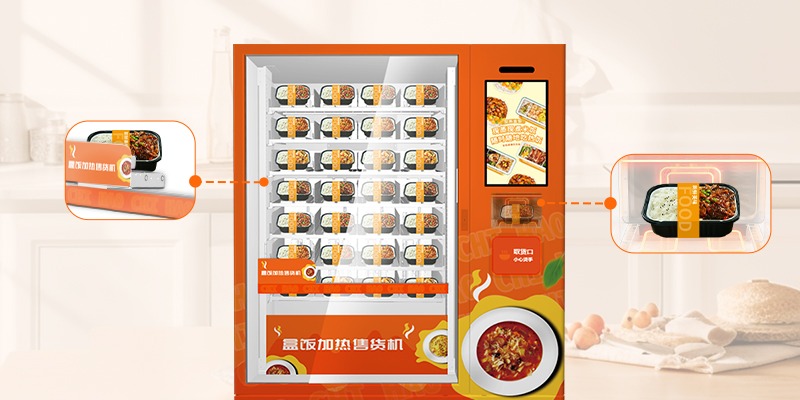
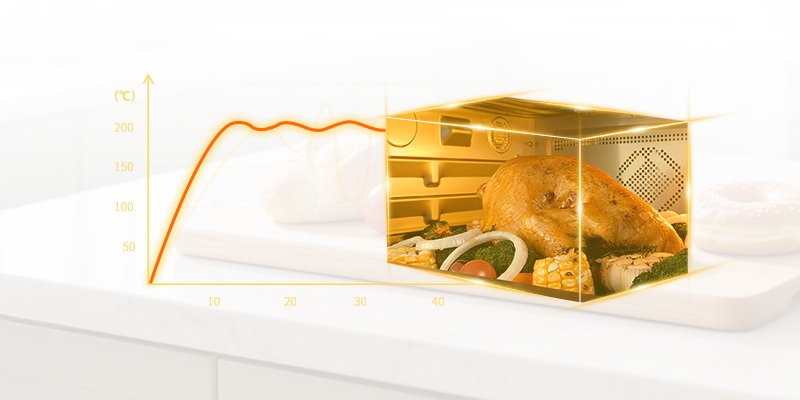
70°C in the Middle, Still Moist in the Middle of the Fish
A microwave that runs flat out dries the edges and leaves the centre cold. The S3 controls the ramp: the curve climbs, holds, then finishes, so a fillet or a chicken leg comes out hot to the bone without a rubbery rim.
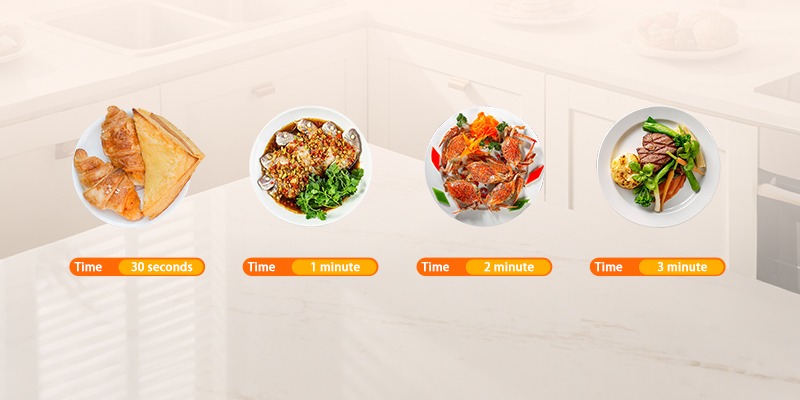
The heating duration for each product is set from the backend, so you can tune one menu item without touching the rest. Change your rice supplier and you adjust one number, not the whole cabinet.
Every Dish Gets Its Own Temperature and Time
Meat, fish, vegetables and pasta do not heat at the same rate. Each product on the menu carries its own program — a gentle 50°C hold for a fish fillet, a longer run for a dense meat dish, a short one for vegetables that go soft if you overdo it.
Operators who run this properly do not sell a hot meal. They sell a hot meal that tastes like it was made nearby, and that is what brings the same office back every day.
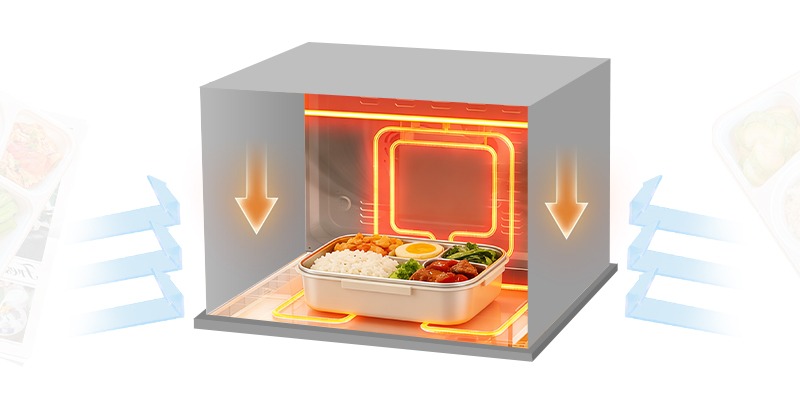
The Microwave Closes From the Bottom
Look at the door edge. The cavity snaps shut from below, so the seal is pressed by the tray itself rather than relying on a hinge at the top. Sauce, oil and condensation stay inside the oven instead of running down the cabinet.
That is also why the machine passes the leakage and safety checks a landlord asks about. A microwave that leaks heat into a public corridor is a machine that gets switched off by the building manager.
The Hand Goes In, the Machine Does Not Grab It
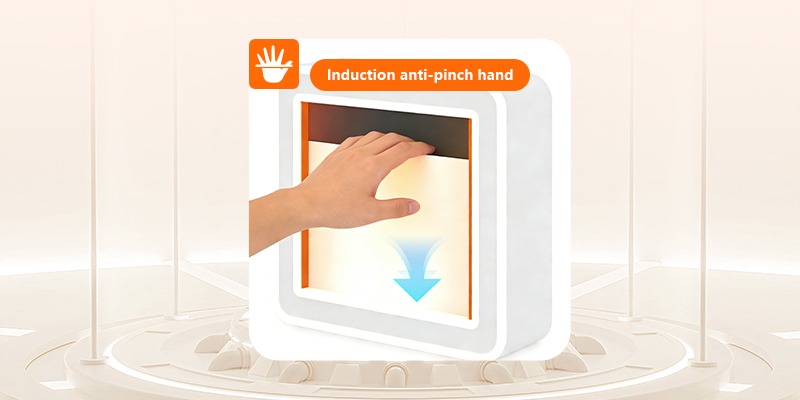
The pickup opening is at hip height, with an anti-collision sensor across the mouth. Reach in and the flap stops; pull back and it closes. Nobody has to bend down to the floor to collect a meal, which is the complaint every low-slot machine earns in its first month.
For a hospital or a factory canteen, that detail decides whether staff actually use the machine or walk past it to the vending machine next door.
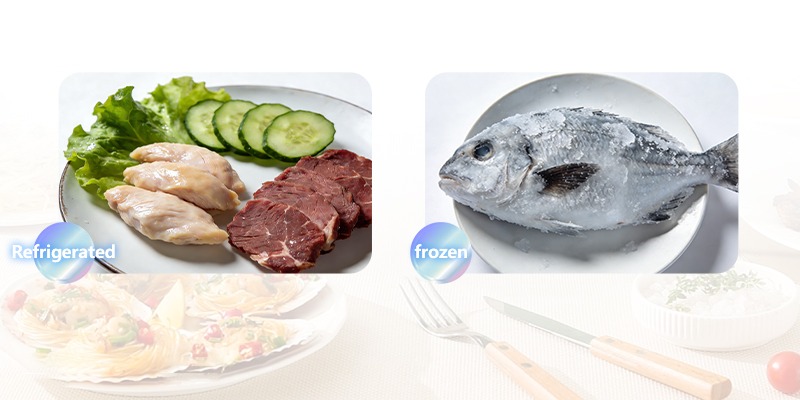
Chilled or Frozen, Then Heated
The same cabinet runs in two modes: refrigerated storage with microwave heating for meals sold the same day, or frozen storage with microwave heating for stock that sits longer. Switch the compressor setting and the product range changes with it.
That flexibility is what lets one operator serve a hospital corridor in the morning and a night-shift factory gate after midnight, without buying two different machines.
The Trolley Lifts, the Plate Pushes
Inside, an XY-axis trolley travels to the right shelf, lifts to the right layer, and the push plate slides the box out. Nothing drops, nothing tips, and a bowl of soup arrives at the microwave with the soup still in the bowl.
Dropping is how cheap machines destroy stock. Every box that lands on its side is a refund, a complaint and a lane that needs cleaning before the next order.