MP02 DIY Fridge Magnet Smart Printer Vending Machine
Size: 1900(H) × 800(W) × 780(D) mm
Weight: About 200 kg
Display: 21.5-inch, 1920 × 1080 pixels, brightness 250 cd/m²
Touch Screen: 21.5-inch capacitive multi-touch, touch response time < 15 ms
Main Board: Windows industrial control, 128 GB storage, 8 GB operating memory
Printing Module: Built-in UV printer with Epson XP600 print head
Ink Cartridge: Four-colour cartridge (cyan, magenta, yellow, black)
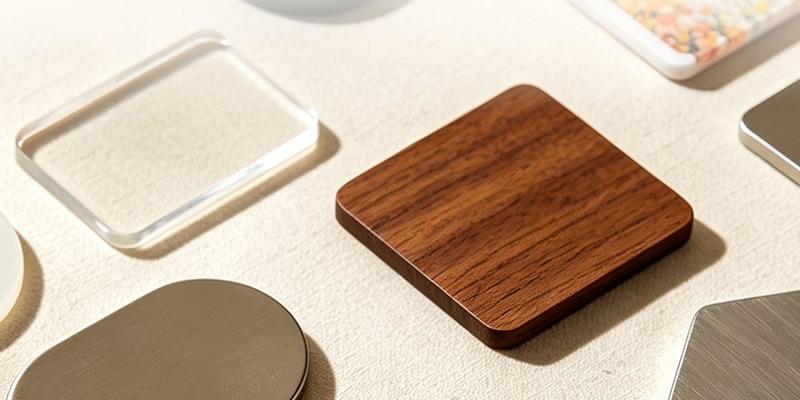
Printable Materials: Multi-material compatible: acrylic, wood, glass and metal magnet blanks
Print Time: About 3 minutes per magnet
Operating Modes: Self-service on the machine, or DIY design from the phone app
Speaker: Built-in speaker with purchase guidance during the order
Payment System: Cash / credit card / e-wallet payments supported
Network: WiFi / 4G IoT card / network cable connection
Blank Stock: Magnet blanks stored inside the cabinet, restocked as a consumable
Voltage: AC220V / 50Hz, electric shock protection
A Blank Magnet In, a Personalised One Out
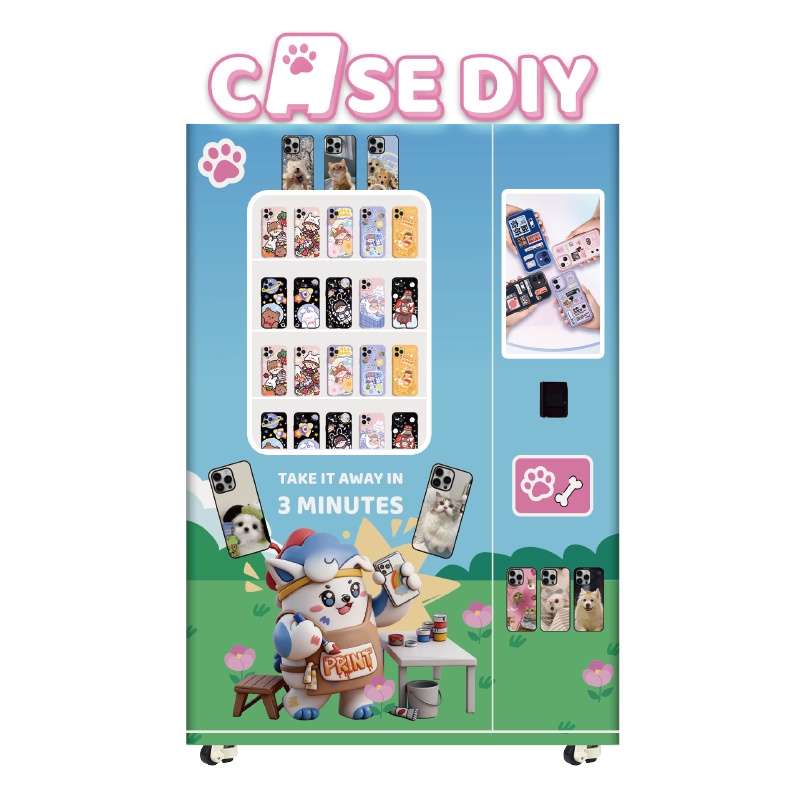
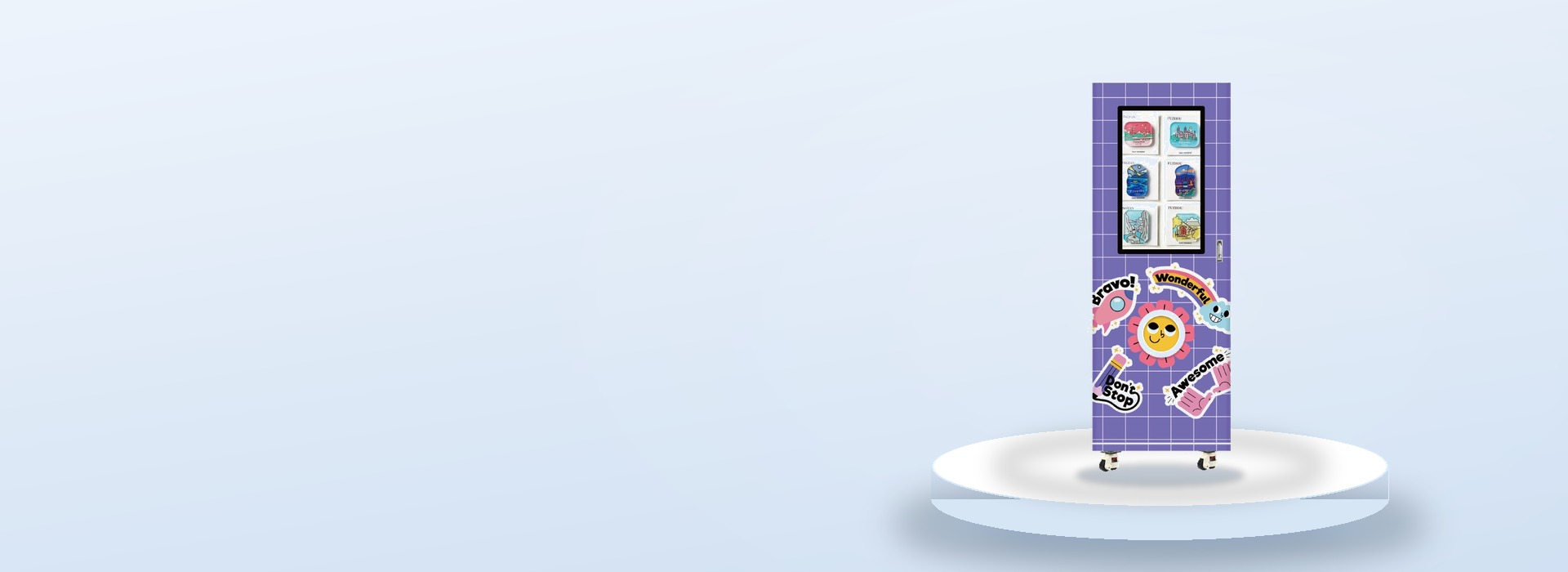
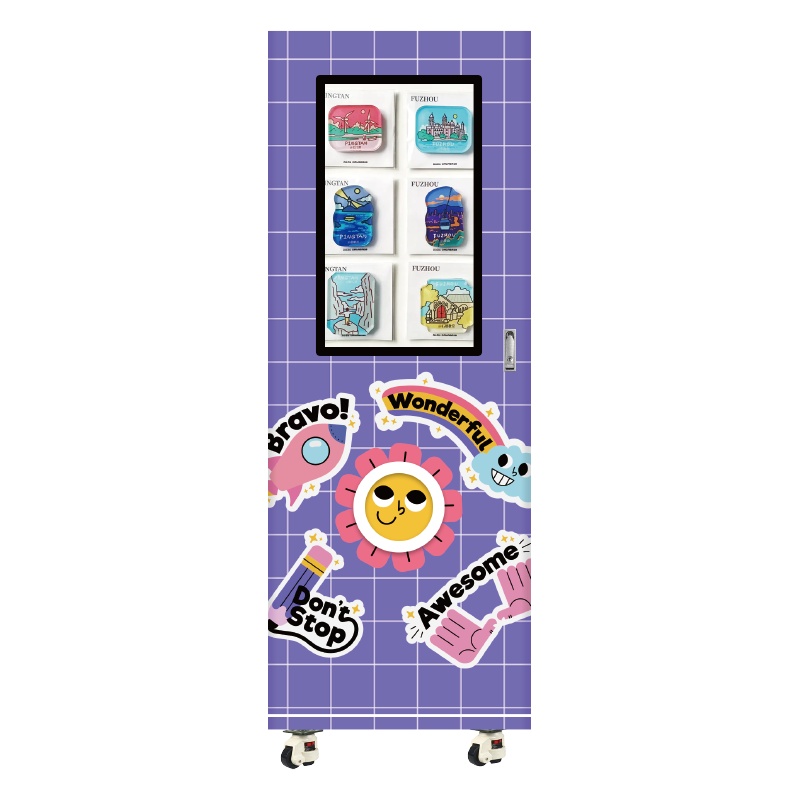
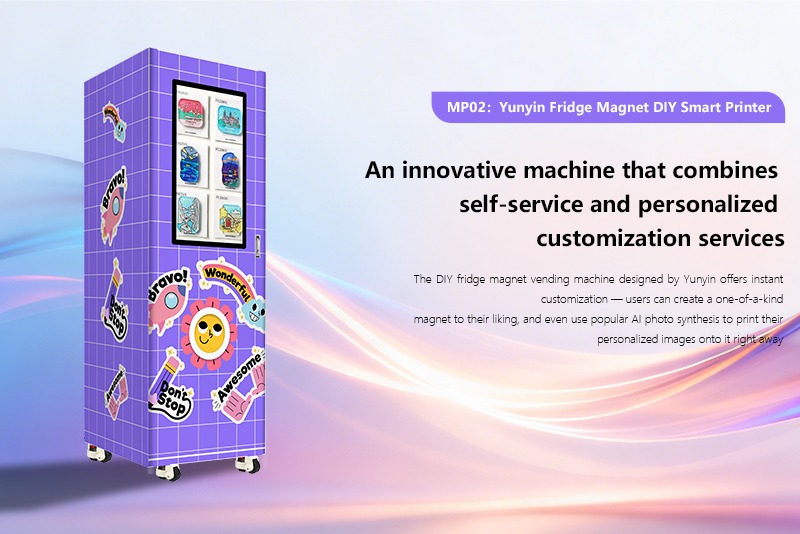
Front view: 21.5-inch screen up top, the magnet display behind glass on the left, and the collection slot at waist height. 800 mm wide and 780 mm deep, so it stands in a gift shop aisle, a museum exit or a mall corridor.
No running video for this configuration yet. Tell us the venue and we will film a full order on camera, from photo upload to the magnet dropping into the slot, so you can see the three minutes for yourself.
A Souvenir Shop With No Stock and No Staff
Every souvenir shop has the same problem: buy three hundred units of a design that turns out to be wrong, or buy too few of the one that sells. This machine removes the guess. The customer picks the design, the machine prints it, and the only stock you hold is blank magnets.
One cabinet, one power point, one restock a week. For a museum, an aquarium, a zoo or an airport gift corner, that is a souvenir counter with no lease negotiation and no shift rota.
People Pay for Their Own Cat, Not for a Generic Magnet
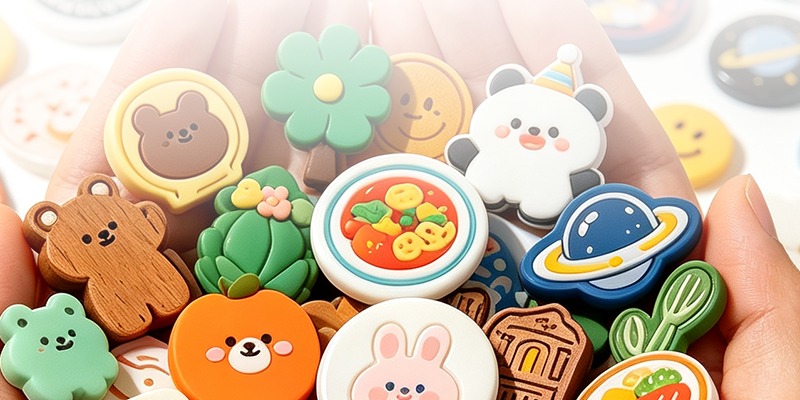
Look at what comes out of the machine: pets, family photos, cartoon characters, a plate of noodles, a planet. Nobody buys a second generic fridge magnet, but people buy their own dog twice — one for the fridge, one for the office.
That is the commercial difference. A printed souvenir is not competing on price with a factory magnet. It is competing with a photo print, and the price is set by how much the person likes the picture.
Ten Designs on the Wall, Unlimited Designs in the System
The display shows finished samples so people understand the product in three seconds. The library behind it is the point: portraits, anime styles, pets, seasonal themes, local landmarks, and a text tool for names and dates.
You can add designs from the backend without touching the machine. School holidays, Valentine, a local festival — a new design goes live the day you need it, not after a two-month production run.

Customers Design on Their Own Phone
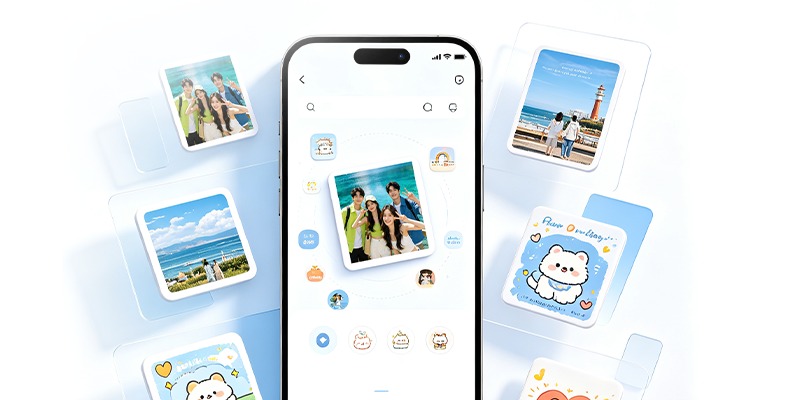
Not everyone wants to stand at a screen in public editing a selfie. The app lets them upload, crop, add text and preview the magnet on their phone, then pay and collect from the machine.
For the operator this is also a marketing channel: a QR code on the cabinet, a design library in the app, and a reason for the customer to come back with a second photo. The cabinet stops being a vending machine and becomes a small print shop.
Four Materials, Not Just Plastic
Acrylic, wood, glass and metal blanks, round, square and rounded-square. The same printer handles all four, so the range on the wall is not four machines but four trays inside one.
Material is what justifies the price step. A wooden magnet with a photo on it sells at a different level from a plastic one, and the customer can feel the difference before they pay.