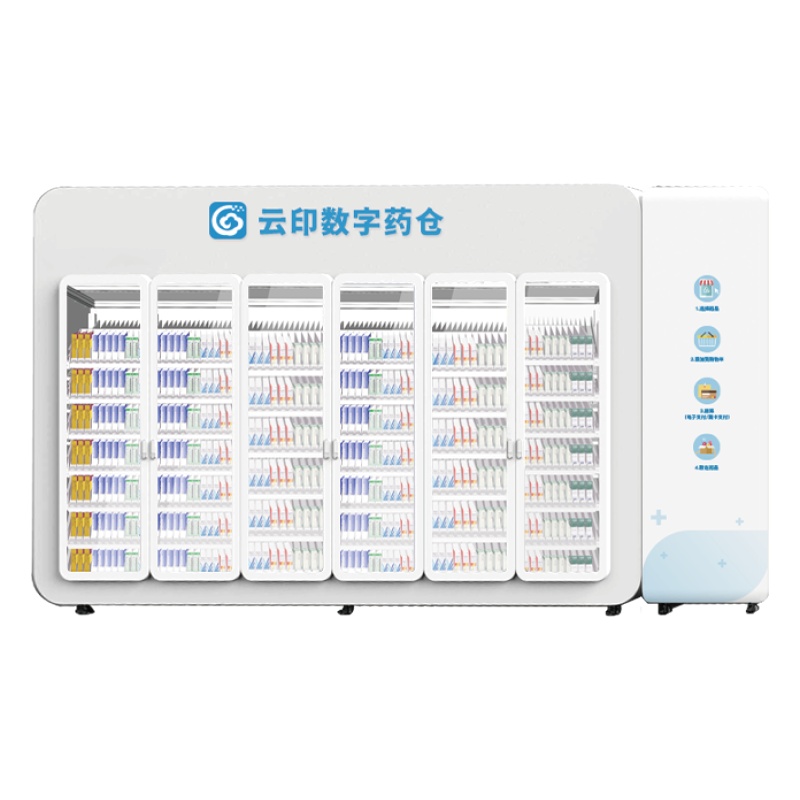
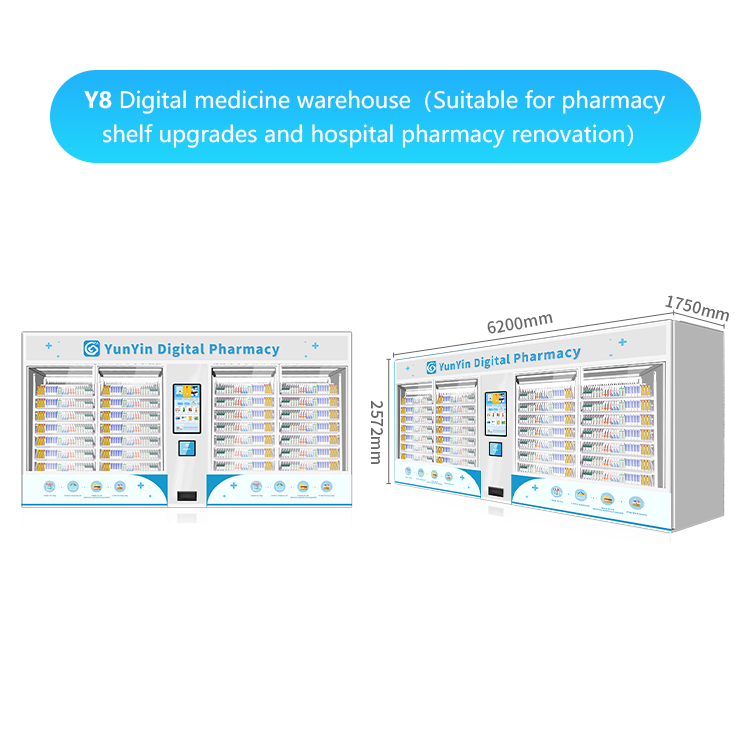
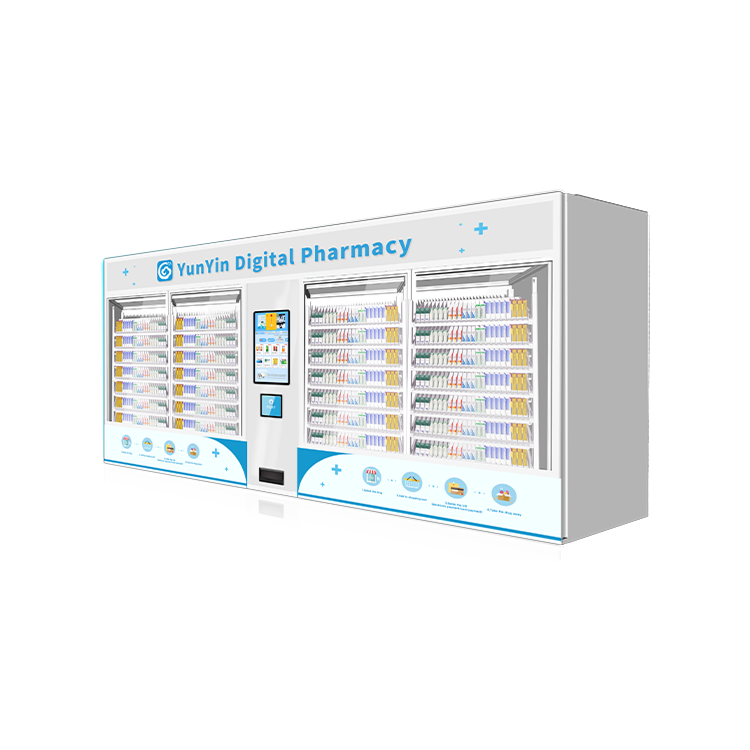
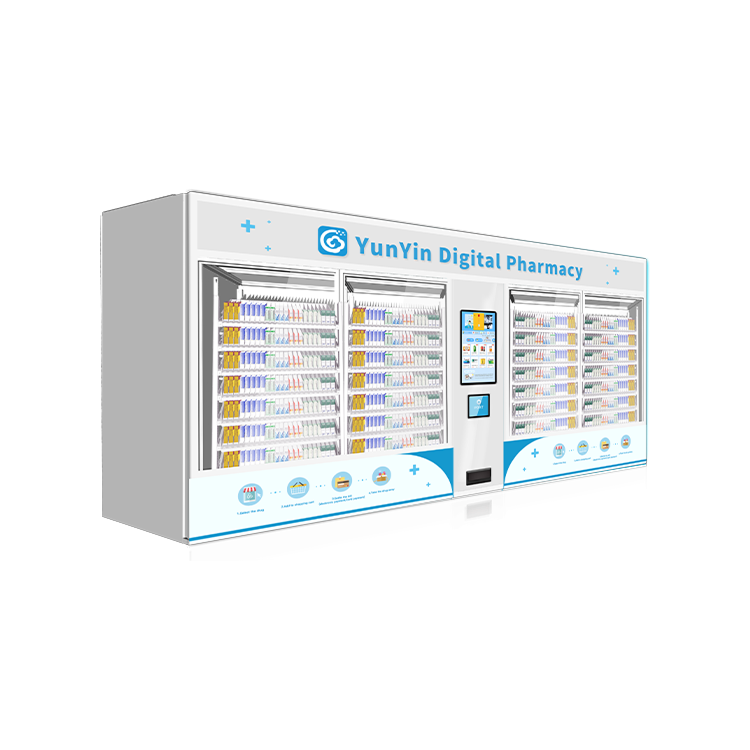
Y8 Intelligent Outpatient Dispensing Machine
Size: 4714(W) × 2413(H) × 979(D) mm
Display: 32-inch, 1920 × 1080 pixels, brightness 250 cd/m²
Touch Screen: 32-inch capacitive multi-touch, touch response time < 15 ms
Main Board: Android main board, Rockchip RK3568, 16 GB ROM, 2 GB RAM
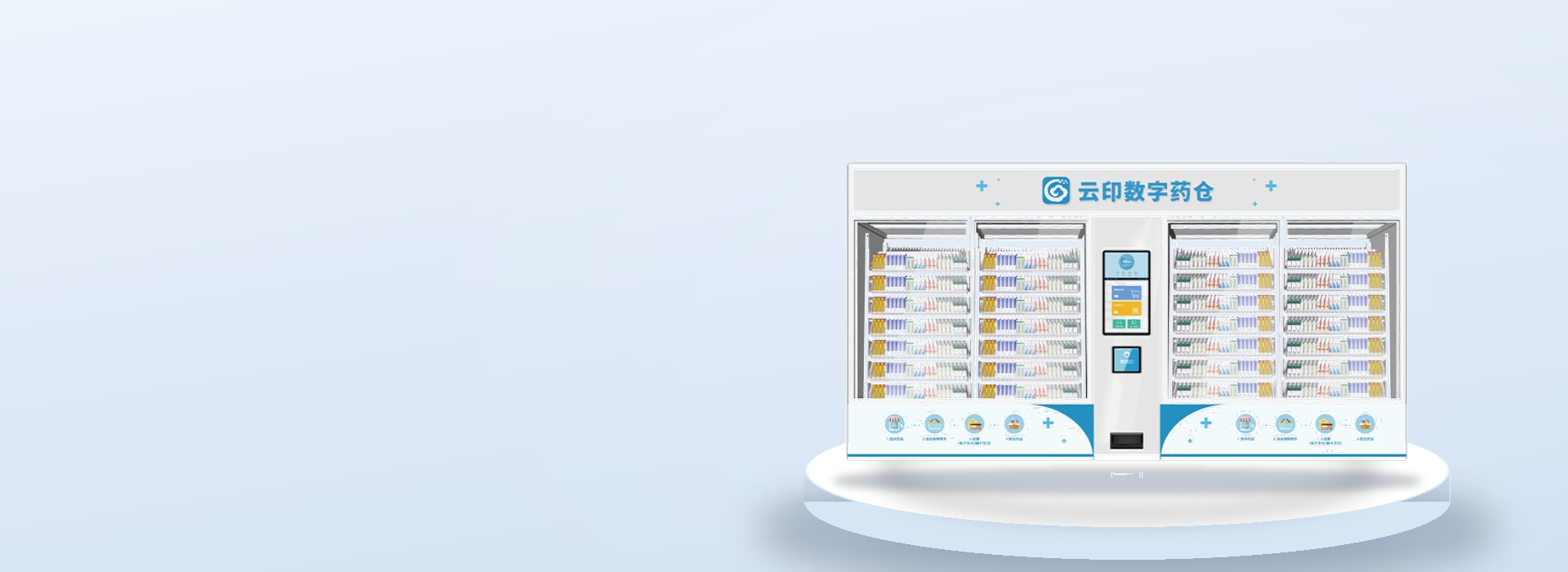
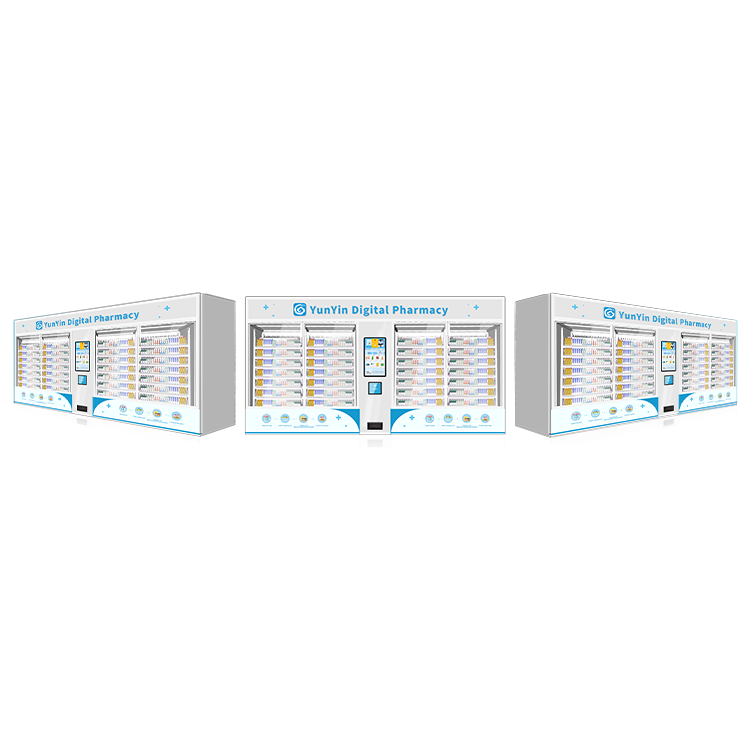
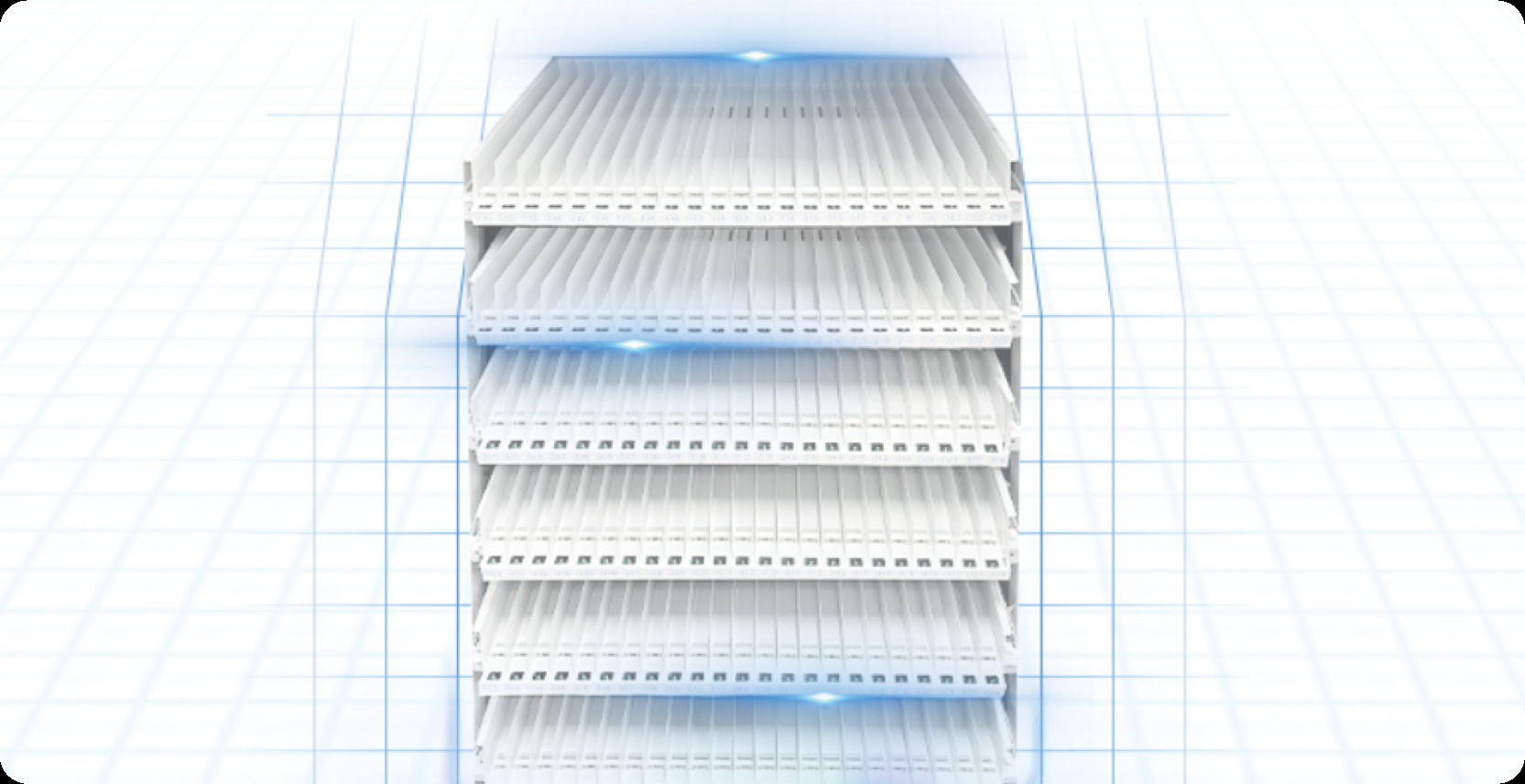
Shelf Structure: Automated multi-layer vertical shelving, modular sections for straight or L-shaped layouts
Display Shelves: Customised shelves including hanging types for different medicines and dispensing needs
Cargo Channel Quantity: Spring, crawler and push-plate channels: max 8 layers × 9 columns, 72 SKUs; dedicated pharmaceutical channels: max 7 layers × 24 columns, 168 SKUs
Dispensing Method: Touchscreen purchase, QR / barcode reverse scanning, hospital card and ID card, Meituan rider pickup
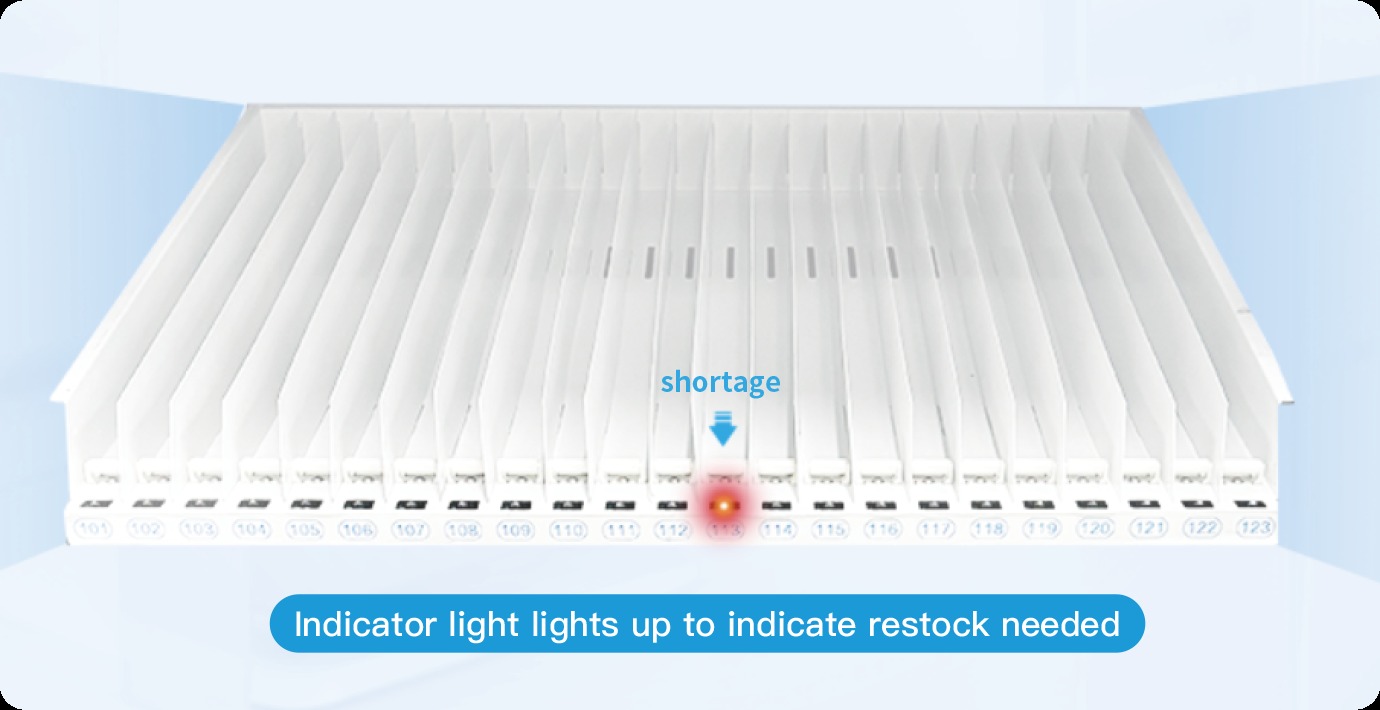
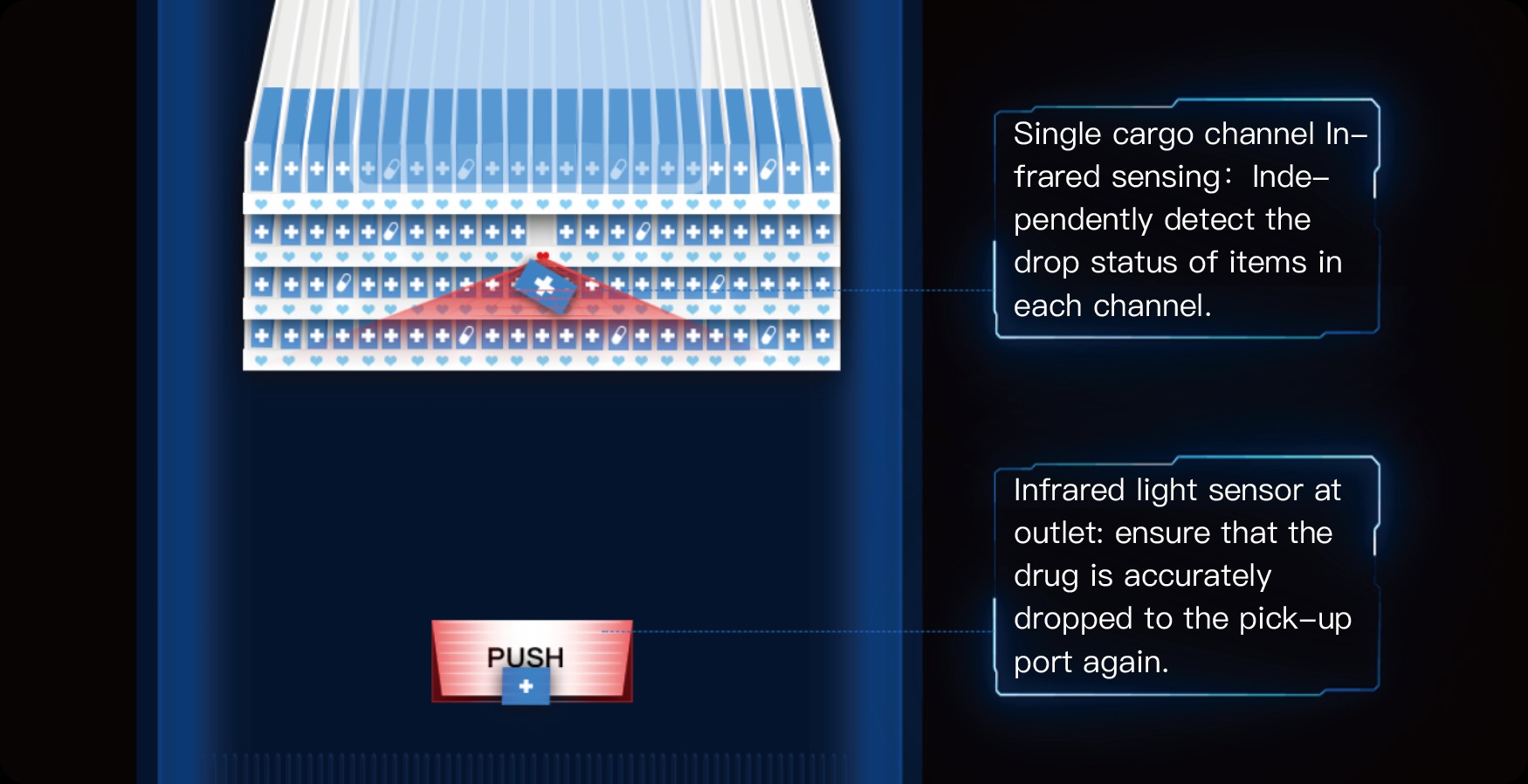
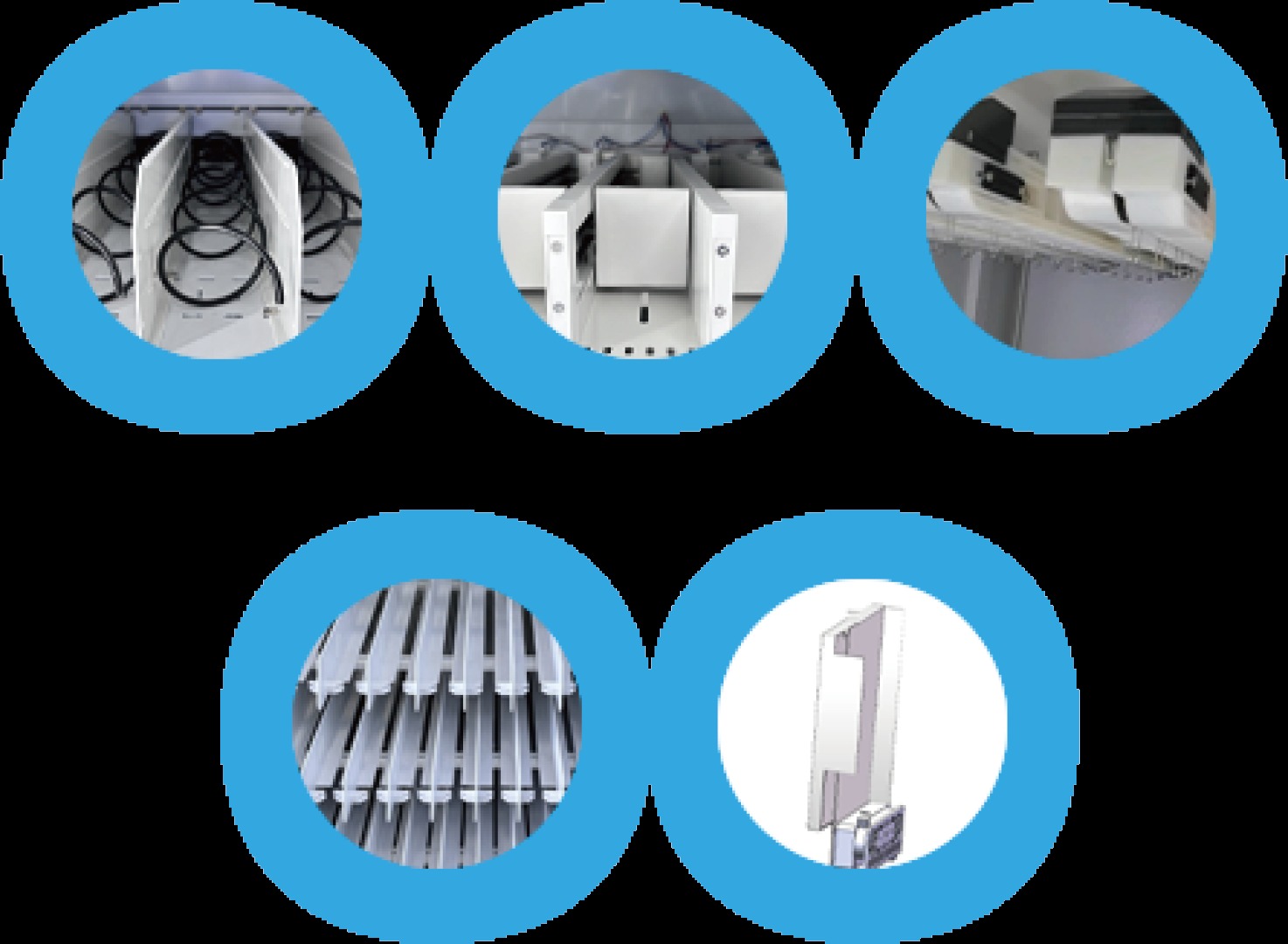
Channel Functions: Independent operation per channel, replenishment guidance light, infrared detector for replenishment quantity verification, individually lockable
Card Reader: 4-in-1 reader: chip, magnetic stripe, medical insurance and ID card
Camera: Built-in camera for full-process monitoring of medicine dispensing
Temperature System: Adjustable climate for refrigerated and room-temperature medicine storage
Receipt Printer: Thermal printing module, embedded QR code scanner
System Integration: HIS / ERP connection with real-time inventory sync and prescription linkage for automatic sorting and delivery
Network: WiFi / 4G IoT card / Ethernet connection
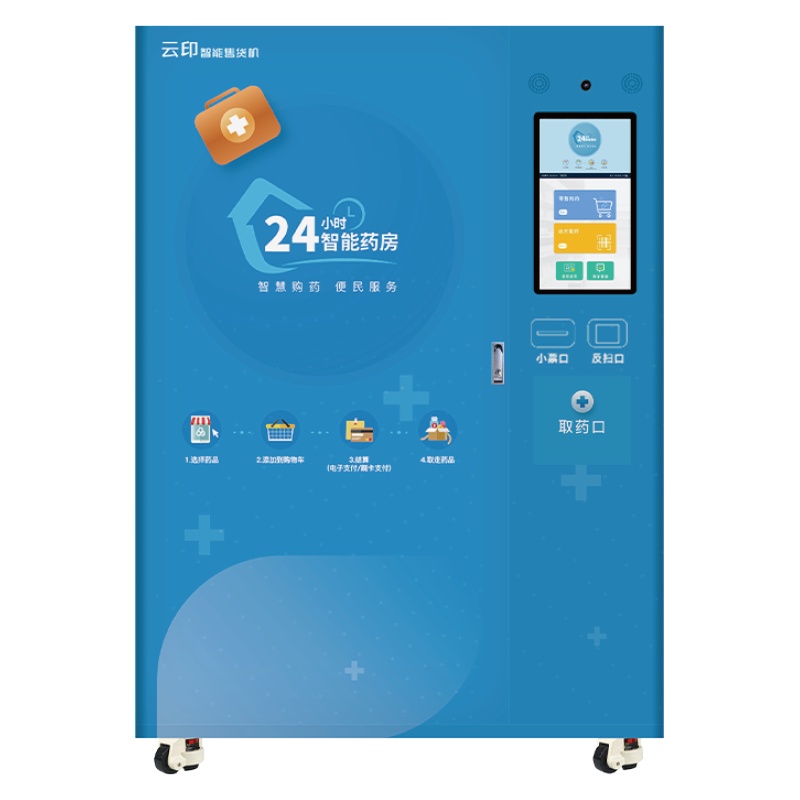
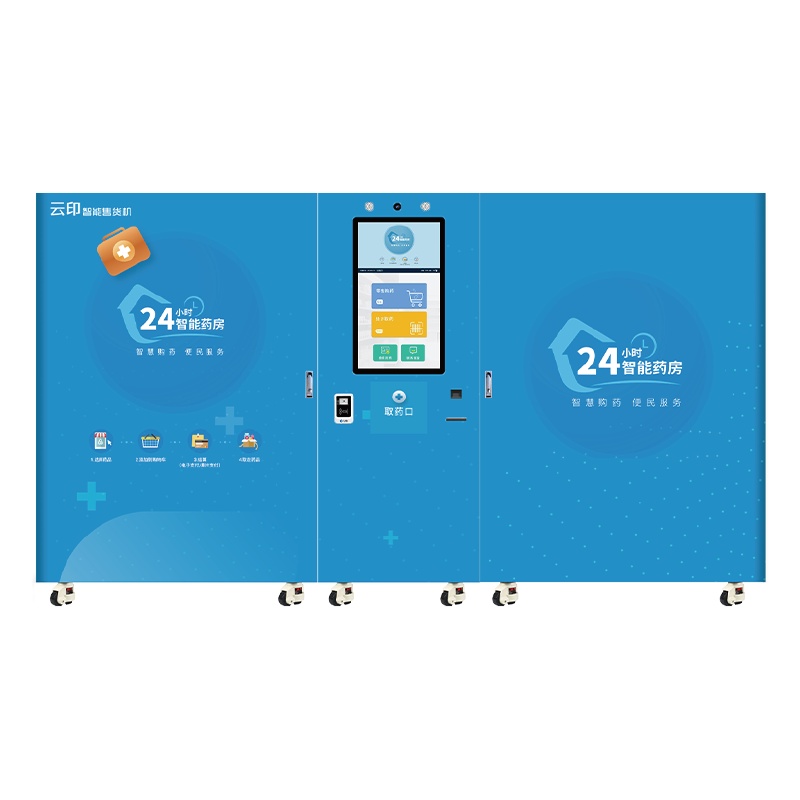
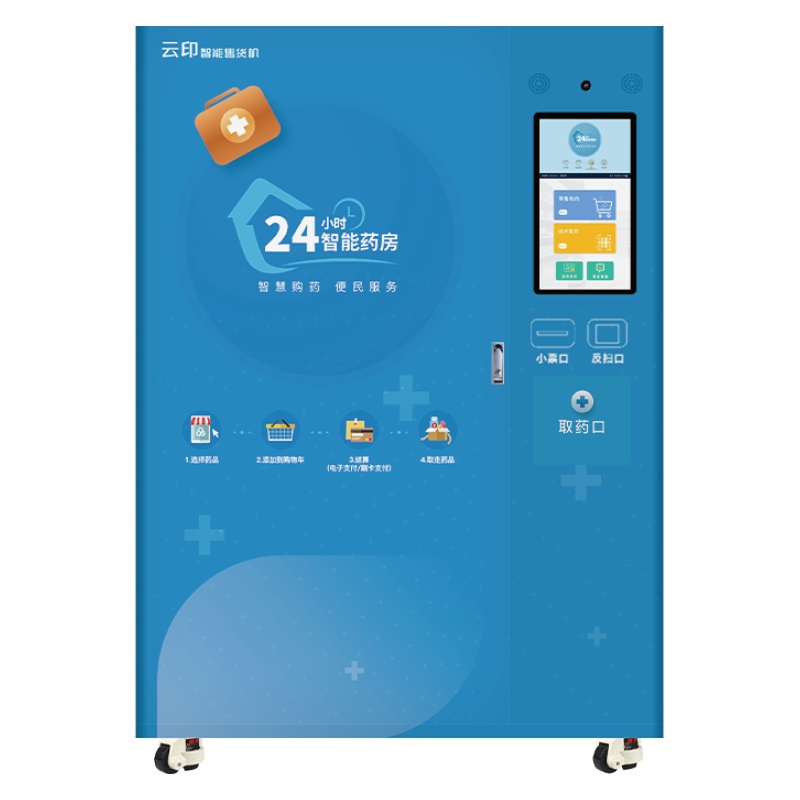
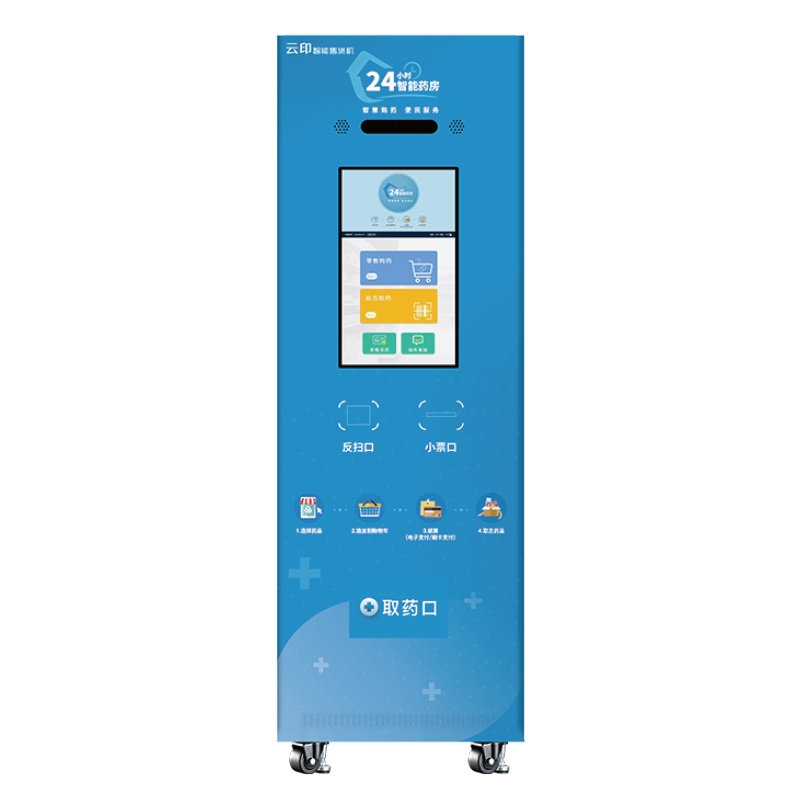
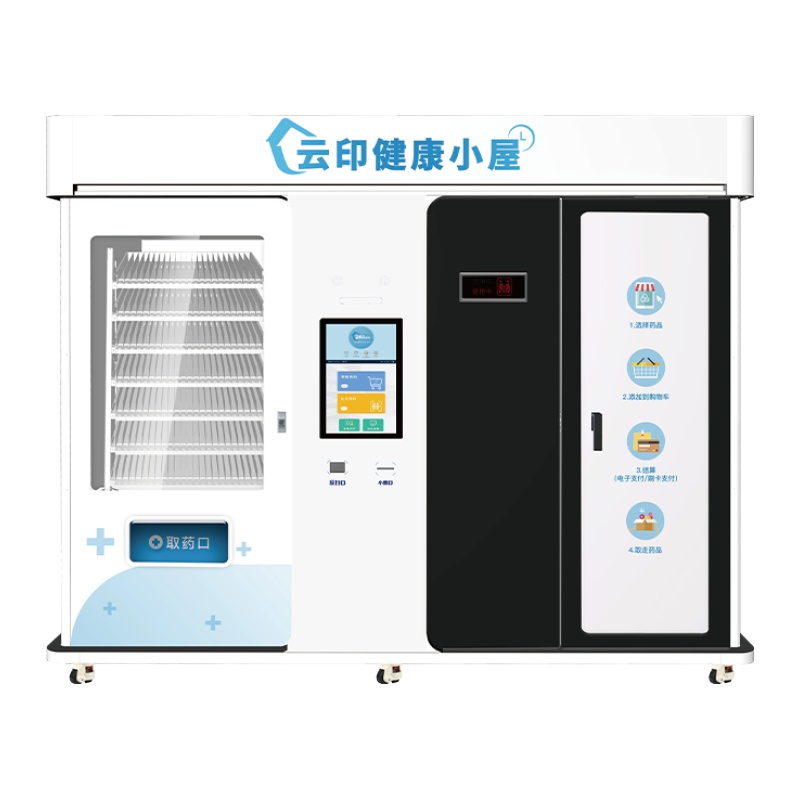
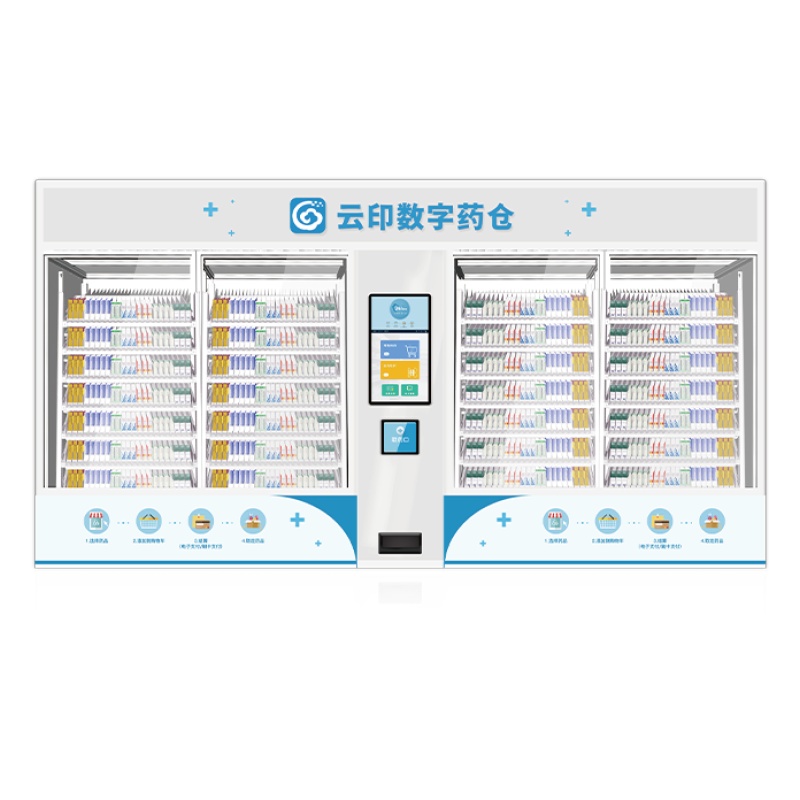
Machine Front, Actual Unit
Front view of the Y8 Intelligent Outpatient Dispensing Machine: screen, cabinet body and pickup port at working height. Tell us the site and we will film the unit running in our plant — replenishment, dispensing, pickup — not a stock clip.
Photos are of the actual cabinet. If you want to see it running before placing an order, we can arrange a live walk-through from the plant.
The Shelf Tells the Nurse Which Column to Fill
Scan the box and the column that needs it lights up. No printed pick list, no walking the shelf twice, no paracetamol ending up where the ibuprofen should be.
A 4714 mm automated shelving wall: three-dimensional shelves instead of a single cabinet face, so the same floor carries the range of a small dispensary.
A Shortage Light Nobody Can Walk Past
When a channel runs out, the indicator on the door turns on before anyone opens the cabinet to look. Restocking starts from the light instead of from a stocktake.
A light sounds like a small feature until you run twenty cabinets. Then it is the difference between a four-hour refill route and a six-hour one.
Every Channel Counts Its Own Stock
Each column carries its own infrared sensor and reports on its own, so the system knows that column 7 is empty while column 8 still holds twelve boxes. The picking arm then delivers the right box to the pickup port instead of guessing.
That is what prevents the two classic failures: sending the arm to an empty channel, and handing out a box the patient did not order.
Merge the Columns When the Range Changes
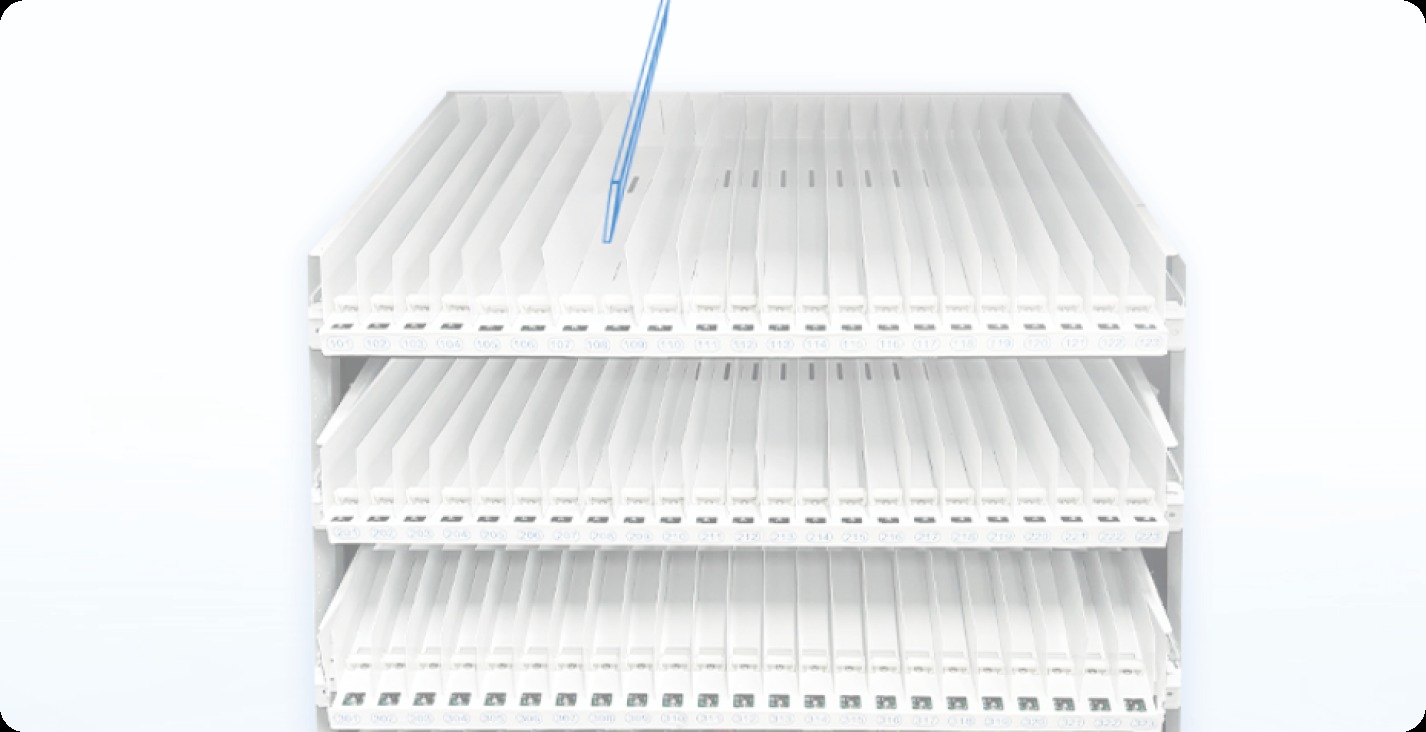
The channel board supports column merging, so two narrow columns become one wide one when a product changes packaging. Nothing is welded in place and nothing needs a new cabinet.
Pharmacy ranges change every season. A cabinet that cannot follow the packaging ends up half full of gaps by the second year.
Five Track Types, One Cabinet
Spring, crawler belt, push plate, hanging hook and dedicated pharmaceutical track — five ways to hold a product, chosen per SKU rather than per machine.
72 SKUs on standard tracks or 168 on pharmaceutical tracks per cabinet section, with shelves configured as straight or L-shaped runs.
The Lift Carries the Box, Never Drops It
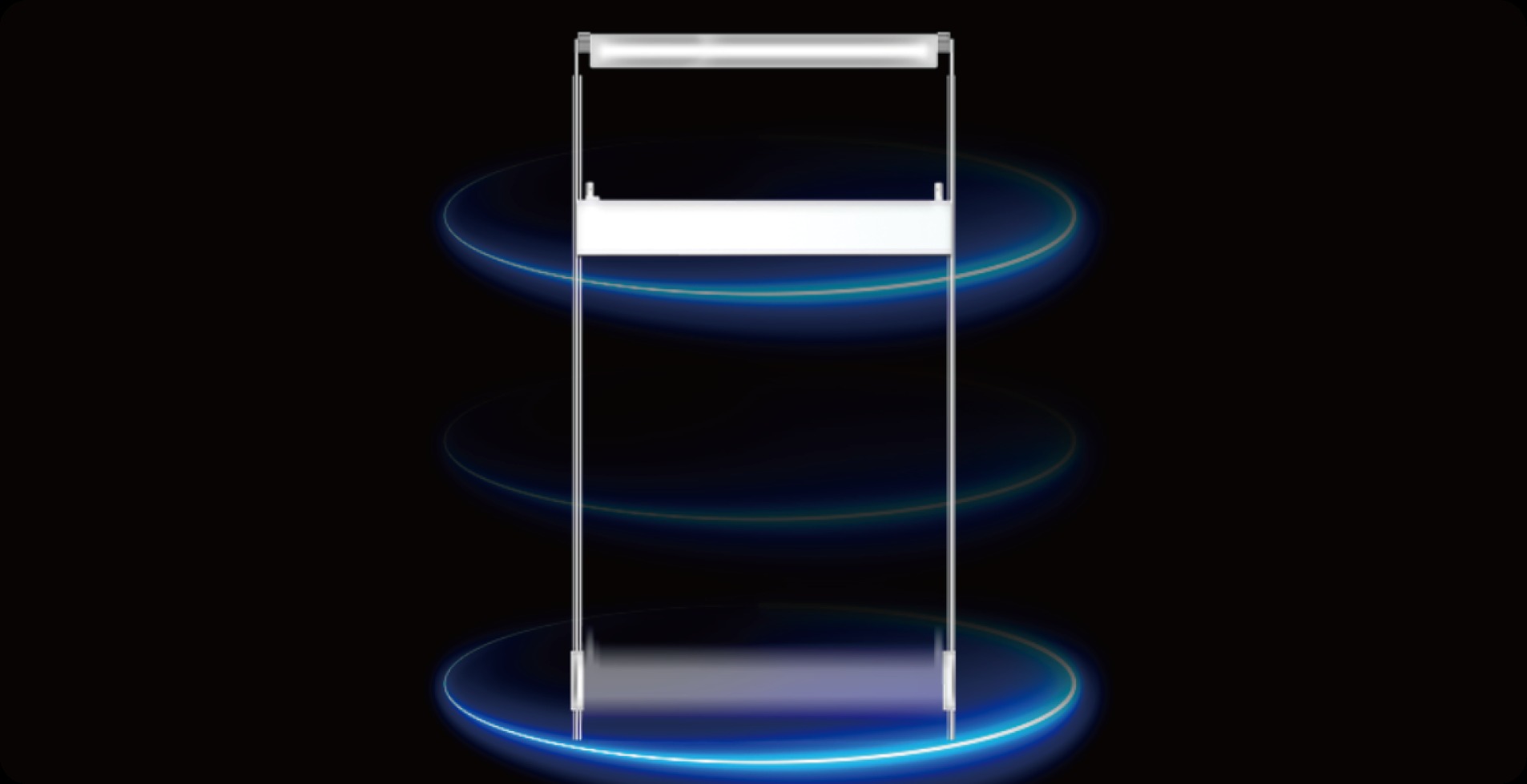
The platform rises to the channel, receives the box and carries it down. Nothing falls seven layers, which for glass vials, blister packs and boxed liquids is the difference between a sale and a refund.
It is also quieter. A machine that clatters on every dispense gets complained about in a hospital corridor at night.
50 mm of Foam and a Heated Door
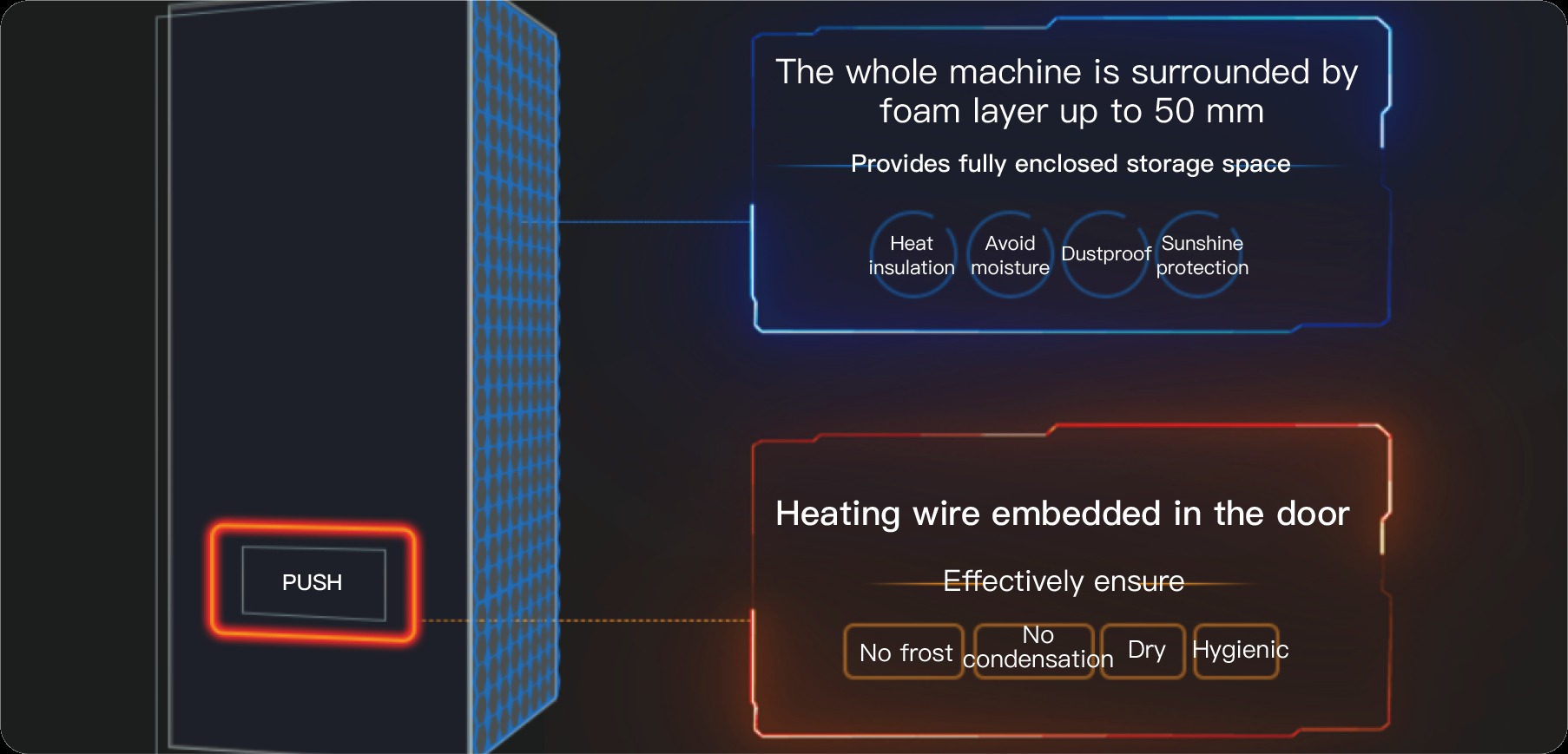
The whole cabinet is wrapped in a 50 mm foam layer and the door carries a heating wire, so the glass stays clear and the inside stays dry. Temperature stability is what keeps a medicine inside its labelled storage condition.
Condensation is not cosmetic here. A fogged door hides the stock, and a damp cabinet is what an inspection writes up.
12–20°C, 35–75%, Watched From a Phone
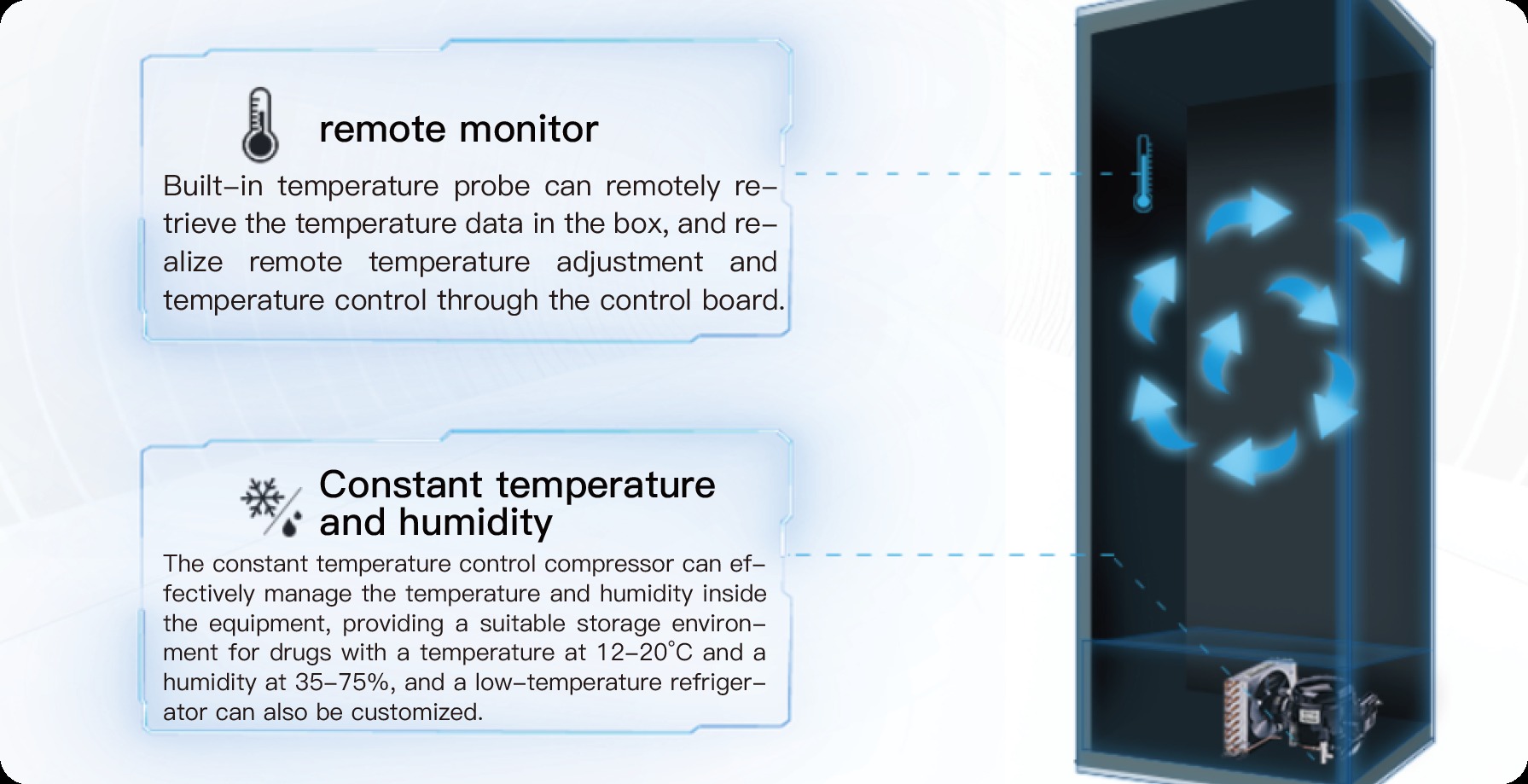
An independent temperature and humidity module holds the cabinet at 12–20°C and 35–75% RH, with the compressor driven by a dedicated board. The probe reports remotely, so the reading arrives before anyone opens the door.
For a store running Meituan and O2O orders, the rider pickup point is part of the same system, which is where the labour saving comes from.
Pay the Way the Patient Already Pays
Card, e-wallet, Alipay, WeChat Pay, medical insurance card and the local O2O platforms — the payment layer is configured for the market rather than fixed at the factory.
With the 4-in-1 card reader and the O2O interfaces, the cabinet can take an online order and hand the medicine out at the door. That is how a pharmacy competes with delivery apps instead of losing to them.