
If you are ready to step into the unmanned retail industry or are looking to expand your sales channels thru vending machines, the first thing you may pay attention to is the cost of the equipment. This article will introduce it from several aspects such as the price of vending machines, the cost of different equipment types, the factors affecting the price, and the issues to consider before purchasing, to help you more clearly assess how much capital is needed for the vending machine project.
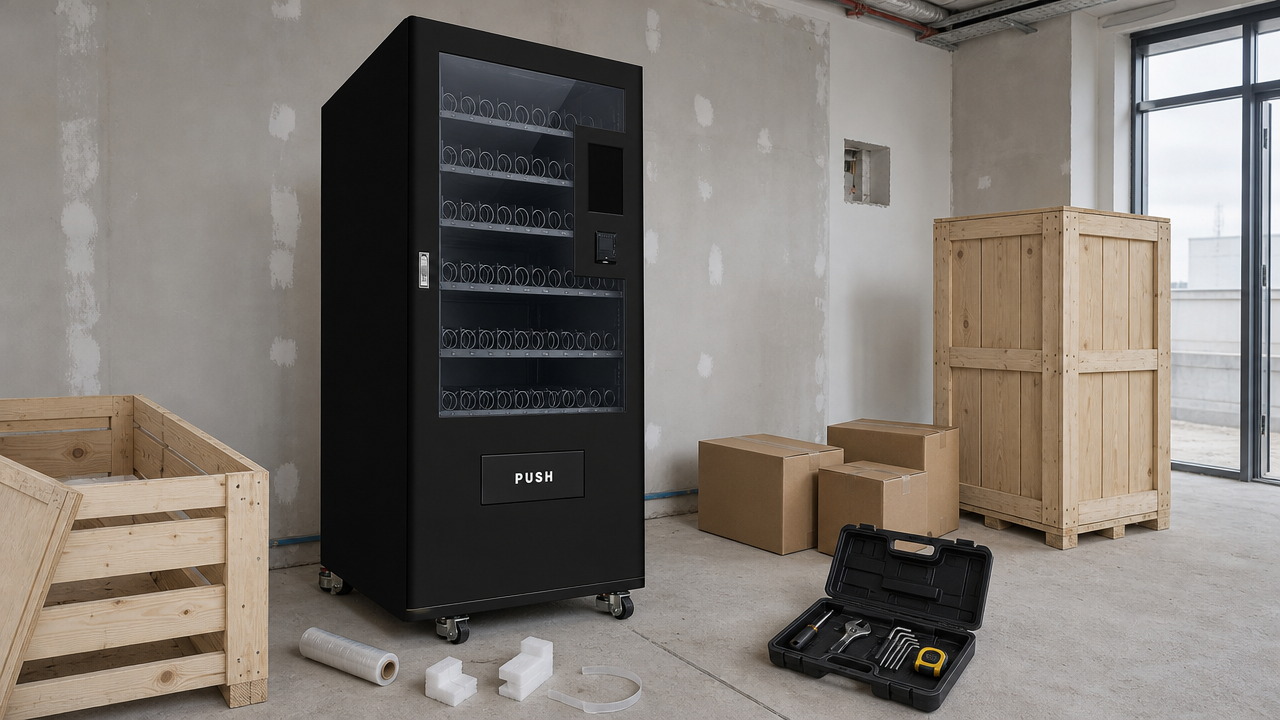
Price differences of different types of vending machines
Prices of snack and beverage vending machines
Snack and beverage vending machines are now one of the most common types of equipment, applicable to many environments such as offices, schools, shopping malls, transportation venues and communities.
The prices of these devices usually range from $400 to $1,700.
The price differences mainly come from the equipment configuration. For example, basic models mainly meet the needs of product storage and automatic selling, while equipment with an ice storage system, large-sized display screens, multiple payment methods, and intelligent management functions will have higher production costs.
If you are just starting to try the vending business, snack and beverage vending machines are usually a relatively easy entry point. You can choose the appropriate capacity and configuration based on the target products to be sold, the placement location, and the expected sales volume, rather than simply pursuing lower prices.
Price of ice cream vending machine
Ice cream vending machines are mainly used to sell frozen beverages and are commonly found in commercial streets, entertainment venues, tourist areas, and related dining scenarios.
Since the ice cream equipment needs to maintain a continuous low-temperature environment, it requires a more professional refrigeration system and internal structure design compared to ordinary beverage equipment.
Currently, the price of ice cream vending machines is approximately $1,200 – $1,400.
When purchasing such equipment, in addition to considering the purchase price, you also need to consider daily cleaning, power consumption, and product sales cycle. In areas with hot climates and high demand for cold drinks from consumers, ice cream equipment may have better usability.
Price of microwave oven-powered vending machine
The microwave oven-powered vending machine is a more complex type of equipment, mainly used for selling products that need to be heated before consumption.
The price of this type of equipment usually ranges from $2,900 to $3,200.
Compared to ordinary vending machines, the hot food equipment requires additional heating modules, temperature control systems, and more complex internal structures, thus having a higher cost.
If your target market includes schools, enterprise campuses, hospitals or transportation areas, the microwave oven-powered vending machine can offer a wider range of product choices. However, before investing, you need to consider local consumer demands, food supply, and operation management methods in advance.
Special-purpose vending machine prices
In addition to traditional commodity sales equipment, more and more enterprises are beginning to pay attention to vending machines with special functions, such as helmet care machines and reverse recycling machines.
The price of helmet care machines is approximately $700 – $1,700. They are mainly used for services such as helmet cleaning, care and maintenance and are suitable for motorcycle rental points, shared mobility areas and public service places.
Reverse recycling machines $1,000 – $2,000. They are mainly used for recycling recyclable items such as plastic bottles and metal cans, and improve recycling efficiency through intelligent recognition and data management.
The prices of these devices not only depend on the hardware structure, but also on the recognition system, storage capacity, and management functions.
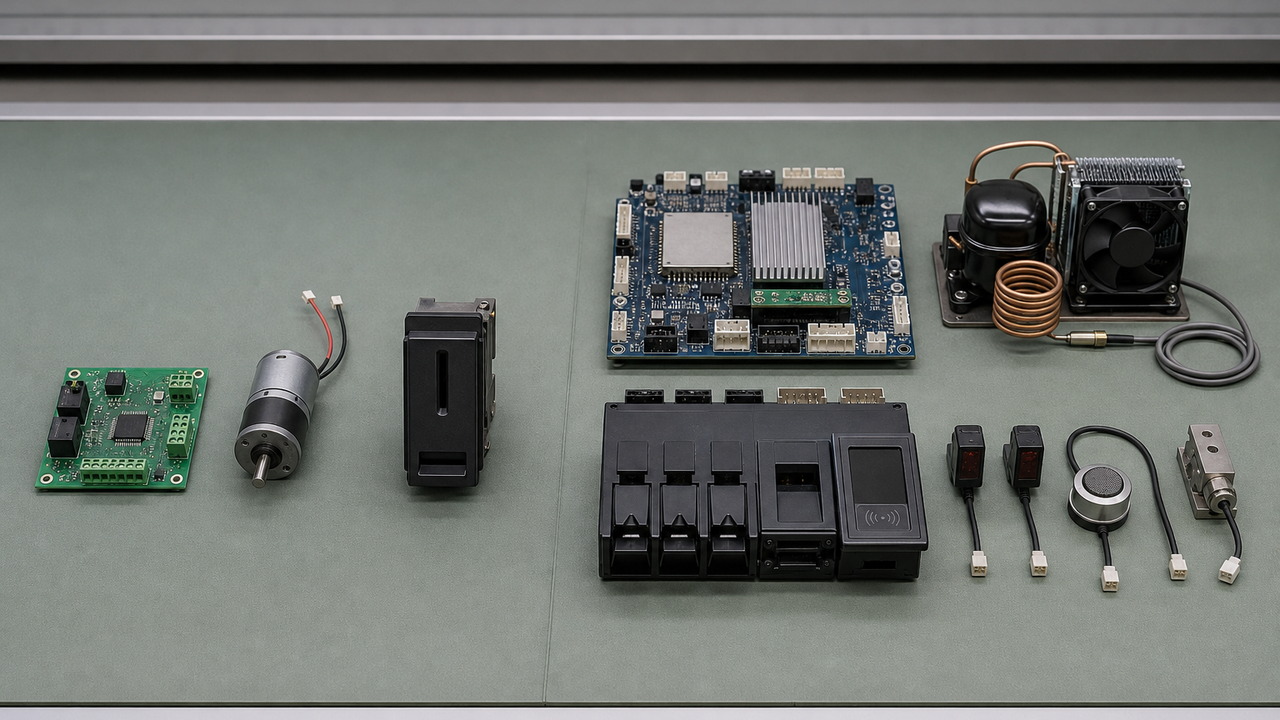
Which factors can affect the price of vending machines?
When many people buy vending machines, they often find that the quotations from different suppliers are very different. This is not to say that cheaper machines are more cost-effective. The cost of vending machines is not only reflected in their appearance, but also in the internal structure, functional configuration, and production standards.
Equipment type and functional configuration
This is the most direct factor affecting the price.
For example, ordinary snack and beverage vending machines mainly complete the functions of storing, identifying, and delivering goods, while microwave heating intelligent vending machines require additional configurations for heating systems and temperature control systems, so the cost is naturally higher.
If the equipment needs to support special functions such as refrigeration, heating, freezing, disinfection, or recycling identification, it will also increase the research and development and production costs.
When choosing equipment, you need to first clarify your sales products and usage scenarios, rather than simply comparing the equipment prices. The configuration that suits the business needs is usually more important than the lowest purchase price.
Smart Systems and Payment Methods
With the development of unmanned retail, intelligent management systems are being adopted by more and more vending machines. For example:
- Remote inventory viewing
- Statistics sales figures
- Monitoring Equipment Status
- Back-end operations management
- Multiple payment method support
These functions can help you to reduce manual checks and improve the operational efficiency of the equipment.
However, intelligent configuration also affects the equipment price. For example, equipment with an intelligent back-end system, large-sized touch screens, and integrated multiple payment methods usually has a higher investment compared to the basic version.
You need to choose the appropriate configuration based on the target market. If consumers in the market are more accustomed to electronic payment, then the payment system may be a key consideration during the purchase.
Custom requirements
Standardized equipment usually has a more stable price, while customized equipment incurs additional costs based on the requirements.
Common customization contents include:
- Appearance color and brand logo
- Machine size adjustment
- Shelf adjustment
- Software interface customization
- Special functions addition
Some enterprises may want to use vending machines as a brand display window, and may request a special appearance design; some projects need to adjust the internal shelves according to the sold goods.
Therefore, when making inquiries, you should preferably determine your product type, placement location and functional requirements in advance, so that the supplier can provide a more accurate plan and quotation.
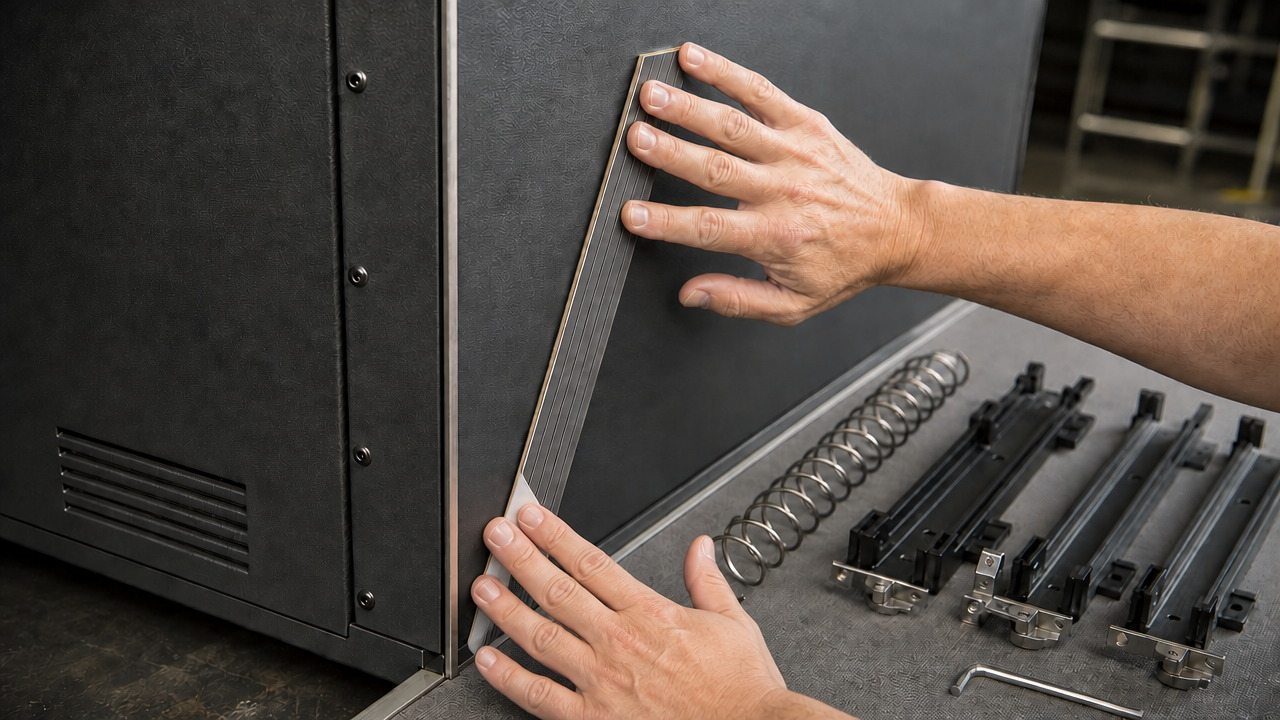
The Hidden Costs of Purchasing Automated Tenders
When many investors calculate the cost of automated tenders, they only consider the equipment purchase cost. However, a complete unmanned retail project also includes other expenditures.
Transportation and installation costs
If the equipment needs to be exported to overseas markets, transportation costs may become an important cost.
Transportation costs are usually affected by the following factors:
- Destination country
- Mode of transportation
- Equipment size and weight
- Purchase quantity
When purchasing in bulk, the transportation cost per single device is usually reduced.
In addition, some projects may require on-site installation, commissioning or training, which also need to be planned.
Inventory cost of goods
After purchasing vending machines, you also need to prepare the goods for sale. During the initial operation, it is necessary to select appropriate products based on the target consumers rather than simply stocking up in large quantities.
Inventory management capabilities will directly affect the equipment’s profit situation. If the sales speed of the products is slow, it may cause inventory buildup; if the replenishment is not timely, it may also affect the consumer purchasing experience.
Maintenance and after-sales costs
Vending machines are long-term equipment and daily maintenance is also part of the investment cost.
Common maintenance contents include:
- Cleaning the equipment
- Checking components
- Software update
- Refrigeration or heating system maintenance
When selecting the equipment, we should pay attention not only to the purchase price, but also understand whether the supplier provides technical support, component supply and after-sales service.
Final Thoughts
The investment in vending machines is not only determined by the equipment price, but also by whether the equipment meets your business needs. Yunyin is dedicated to the design, research & development and manufacturing of intelligent vending machines, offering automatic vending equipment and OEM/ODM customisation services to global customers, assisting partners to develop unmanned retail solutions to fulfill local market demands.
FAQ
Why are smart vending machines more expensive?
Compared with basic equipment, smart vending machines usually add functions such as a remote management system, data statistics, multi-mode payment, equipment monitoring, etc., which increases the production cost. But these features can help you handle the equipment more conveniently and reduce the cost of manual inspections.
Yunyin provides vending equipment that supports intelligent management and customised configuration, and can adapt the equipment functions according to different market needs.
How much do the cheapest vending machines cost?
Usually the cheapest machines are the plainest ones with the most basic functions. But when you are going to buy, you should not only consider the initial price, but also the quality of the equipment, the service life, the maintenance cost and the future expansion needs.
What other costs are there besides the machine price for vending machines?
You have to think about transportation costs, installation costs, stocking costs, maintenance costs, and costs of payment systems in addition to the costs of acquiring equipment. You also have to plan logistics and after-sales support for an overseas project.
Are vending machines profitable?
It depends. Profitability depends on factors like the location of the machine, types of products sold, prices, and how well the machine is managed. Usually it is easier to generate stable profits with a well-placed device than just reducing procurement costs.
How long does it take for vending machines to break even?
There is no standard answer for the break-even time, it should be calculated according to the cost of equipment, sales volume, profit margin of goods and operating expenses.
The time to break-even can be calculated by multiplying the daily sales profit by the operating cycle if you buy a device for $1000 and get a certain sales profit per day. But the actual result will depend on the market environment, so it is recommended to do thorough research before investing.
Should I purchase standard vending machines or customized equipment?
If you have clear sales products and application scenarios, standard equipment can generally meet your needs. Customised equipment is more suitable if you need special sizes, special functions or brand display effects.
Yunyin offers OEM/ODM customisation services, offering a variety of equipment solutions based on your product type and market requirements.
How to choose a reliable vending machine manufacturer?
In the selection of suppliers, it is recommended to consider the production capacity, the quality of products, the experience in R&D, the after-sales service and the experience in overseas projects. As an intelligent vending equipment manufacturer, Yunyin has the research and production capabilities of vending machines, and provides a one-stop solution from equipment design and production to customised services, helping you to carry out unmanned retail projects more efficiently.
Which is more worthwhile to purchase, the new vending machine or the second-hand one?
Secondhand vending machines tend to be cheaper and are great for those on a budget or wanting to try their hand at the market without spending a fortune. However, when purchasing a second hand machine you need to consider the life of the equipment, the condition of the components and future costs of maintenance.
In contrast, new equipment is generally more stable in performance and can be configured to suit your sales products and operational requirements. New equipment is generally easier to manage consistently when operating long term, or in multiple locations.
How much capital is needed to start an automatic vending machine business?
The amount of capital required to start an automatic vending machine project depends on the size of your business and the way you operate. If you choose to buy just one machine to test the market, your primary costs will be the purchase price of the vending machine, transportation costs, inventory of goods and site related costs. If you are planning to have multiple locations, you also need to think about additional equipment purchases, replenishment management, logistics and data management systems, etc.
It is worth noting that the revenue of automatic vending machines is not determined solely by the price of the equipment. The final income depends on the location of the vending machine, the variety of goods, consumer demand and the mode of operation. So, beside the calculation of the cost of equipment, in the process of formulating the investment budget, you also need to provide a comprehensive assessment of subsequent operational costs.