
During the long-term operation of vending machines, they need to deal with various issues such as product sales, equipment operation, and environmental changes.
A complete maintenance checklist for vending machines can help you detect equipment problems in advance and establish a fixed inspection process. This article will introduce to you how to conduct maintenance for vending machines from aspects such as daily inspections, regular maintenance, and key maintenance components, so as to keep the equipment running stably.
What should be checked at different stages?
The maintenance of vending machines does not mean that complex checks need to be conducted every day. Based on the operation of the equipment, the maintenance work can be divided into three stages: daily inspection, weekly maintenance, and monthly preventive maintenance.
Basic checklist for each replenishment or inspection visit
Each time you go to the equipment location for replenishment, you can complete the basic inspection simultaneously. These simple operations can help you promptly identify obvious problems.
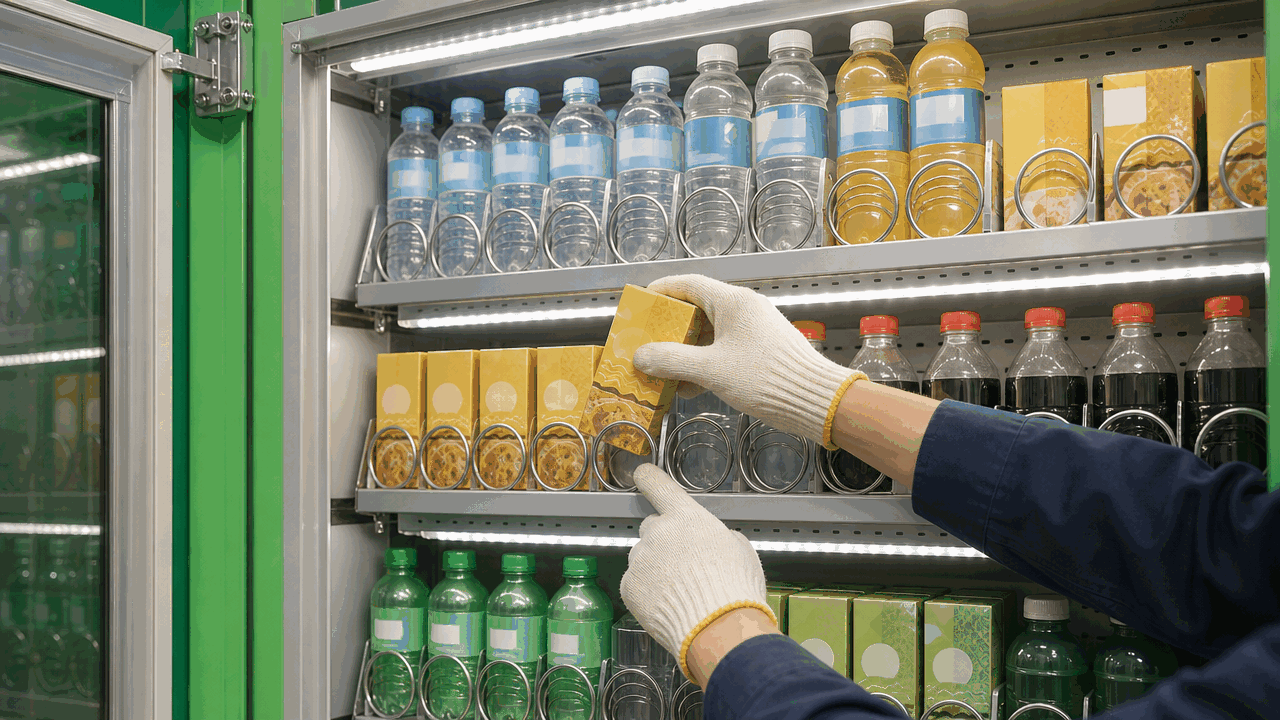
First, you need to check the condition of the goods, including the quantity of the goods, whether the packaging is damaged, and whether there are expired goods. At the same time, observe whether the shelves are normal and confirm that the goods can fall or be pushed out smoothly. Next, you need to look at the appearance of the equipment and the environment where it is used. Check the cleanliness of the glass door, pickup area, and operation area. Ensure there is no clutter around the equipment that affects heat dissipation or use. In addition, you can do a simple test, such as whether the screen can respond normally, whether the payment function can be used, and whether the shipping process is smooth. In the event of any abnormalities can be recorded on the spot if detected so as not to affect subsequent sales.
Daily Vending Machine Maintenance Checklist:
- Check the stock and expiration dates of the items
- Clean up the operation area and pick up area、
- Test the payment and purchase process
- Check normal screen display
- Listen for any abnormal noises or alarms from the equipment
Vending Machines – Weekly Maintenance Inspection Checklist
Weekly maintenance should be more in-depth than daily inspection, focusing on the internal structure of the equipment and frequently used functional modules.
The cargo channel system is a major part of the vending machine and requires regular inspection of the springs, push mechanisms or conveying devices to ensure proper operation. If dust or foreign objects accumulate in the cargo channel, it may affect the normal sales of goods.
The payment system is also an important part of the weekly inspection. Most intelligent vending machines today support multiple payment methods, so it is necessary to confirm the proper connection of the payment module to prevent payment problems from affecting the completion of the order.
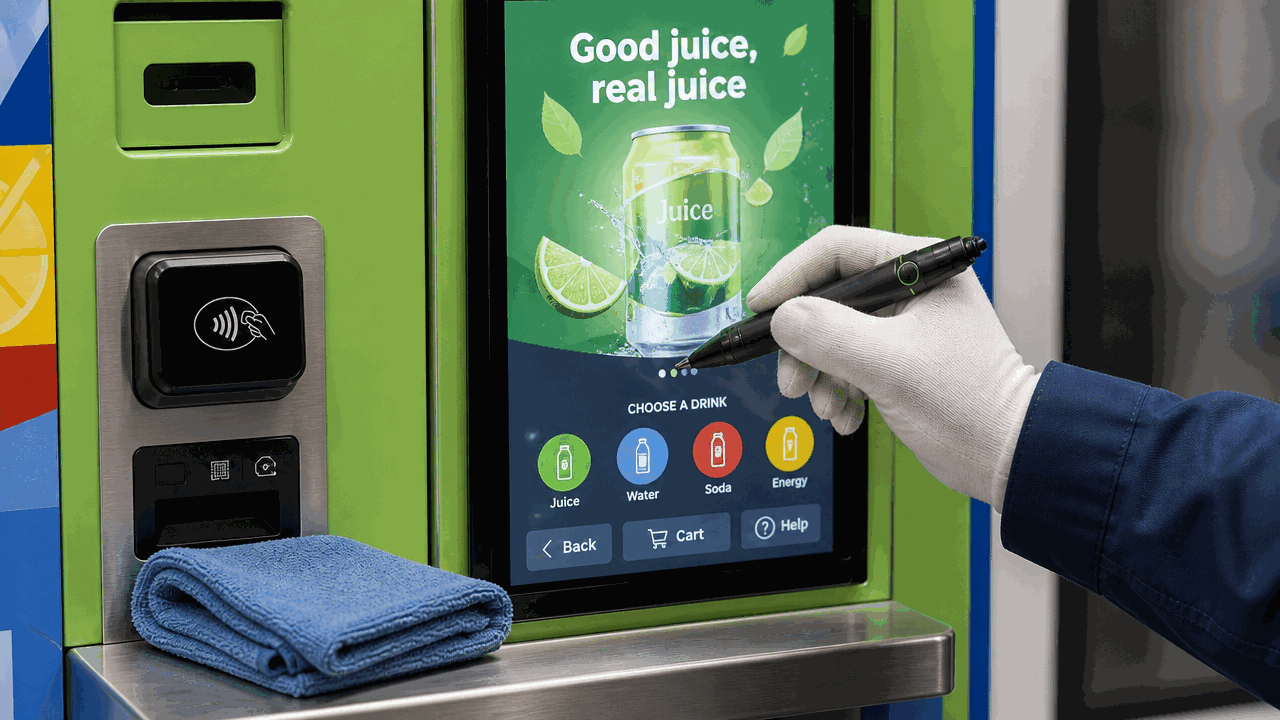
If the equipment is equipped with a touch screen or intelligent interaction system, it also needs to check the response speed of the screen, the content on display, and the network connection so that consumers can normally complete the purchase.
Weekly Maintenance Checklist:
- Check the status of operation of the cargo channel
- Clean the inside of dust and debris
- Testing payment functions
- Check network connection and touch screen
- Background equipment operation data View
Monthly Preventive Maintenance Checklist for Automatic Machine
The main goal of monthly maintenance is to assess the condition of the equipment after long-term operation and address potential issues in advance.
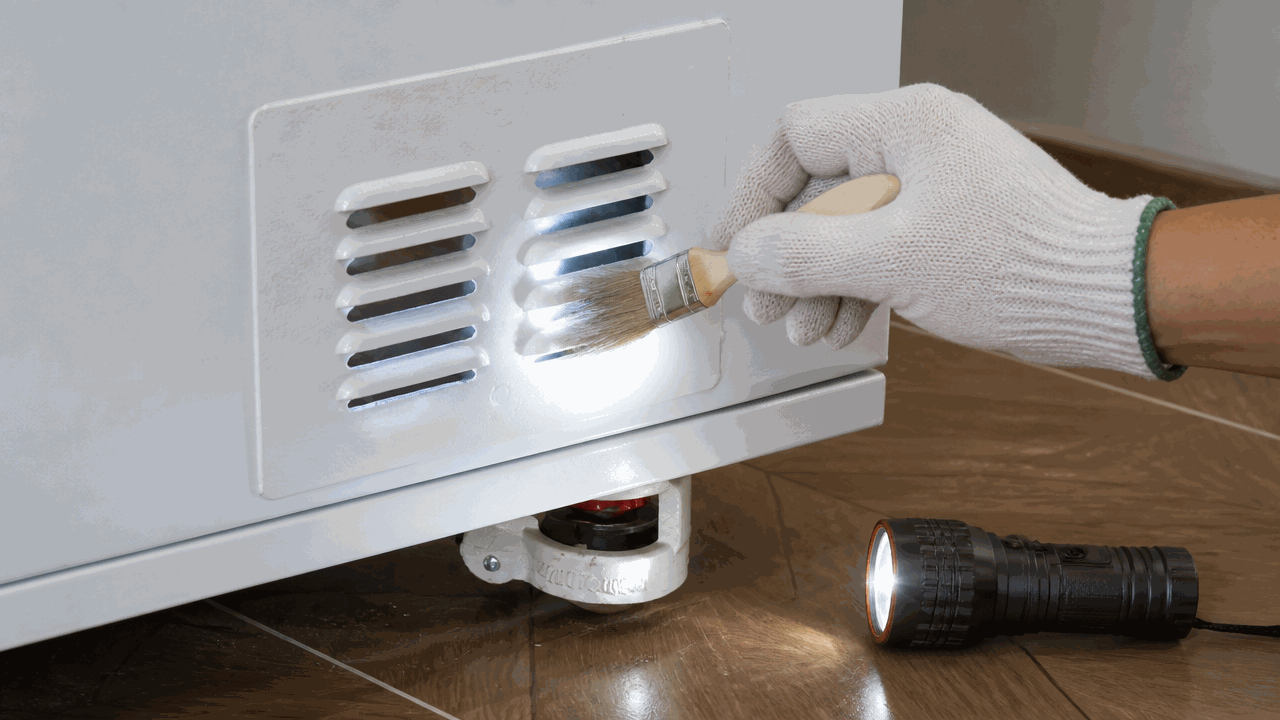
Refrigeration systems are a key component of vending machines for beverages, food and more. During long-term operation, it is necessary to check whether the heat dissipation area is blocked by dust and confirm whether the temperature control is stable. If the equipment is installed in a high-temperature environment, more attention should be paid to the heat dissipation situation.
At the same time, it is necessary to check whether the internal wiring, sensors, and connection components are secure. Although these components usually do not have frequent problems, regular checks can reduce unexpected shutdowns.
For equipment using an intelligent background management system, you can also view sales data, equipment status, and abnormal alerts to help you understand whether there are any long-term operation abnormalities of the equipment.
Monthly Maintenance List:
- Check refrigeration and temperature control systems.
- Clear the heat dissipation area
- Check internal wiring connections
- Verify sensor operational status
- Look at the condition of the equipment
Important Factors to Consider in Maintaining Vending Machines
1. Refrigeration system and temperature regulation
The refrigeration system directly affects the quality of goods in vending machines that need temperature regulation.
During maintenance, attention should be paid to the stability of the internal temperature of the equipment, and check whether the heat dissipation area is blocked. Prolonged exposure of equipment to high temperatures or placement in an area with poor ventilation will increase the load on the refrigeration system and may also affect the life of the equipment.
Therefore, when choosing the installation location, environmental factors should also be considered to avoid the equipment being exposed to direct sunlight or remaining in an area with excessively high temperatures for a long time.
2. Shelves and Shipping System
When people buy things it is very important that the company can get these things to them easily. This will make the people happy with what they bought.
The shelves, in the vending machine need to be cleaned all the time. This is so that dirt and other things do not get in the way of the machine working. The vending machine also needs to have shelves that’re the right size for the things being sold. If the shelves are not the right size the things might get stuck and not come out of the machine.
Regularly conducting shipping tests can help you detect problems with the shelf operation in advance.
3. Payment Module and Interaction System
Modern intelligent vending machines usually support various payment methods such as cash payment, bank card payment, and mobile payment. If the payment module malfunctions, it may directly affect sales.
During maintenance, it is necessary to confirm that the connection of the payment equipment is stable, and check whether the transaction process is normal. At the same time, keep the touch screen clean to avoid dust affecting the operation experience.
4. Equipment appearance and internal cleanliness
Cleaning not only affects the appearance of the equipment, but also relates to the operating environment of the equipment.
The body surface, glass doors and picking area should be regularly cleaned to prevent dust and stains from affecting the consumer experience. The inside of the equipment needs to be cleaned. This is really important for food and beverage equipment. You see hygiene is a deal, with this type of equipment.
5. Intelligent Back-end Management System
The intelligent back-end system can help you reduce the pressure of manual inspections. By using the back-end data, you can view the operating status of equipment, sales of products, and some abnormal alerts.
If you have multiple locations, the remote management function can help you identify problems more quickly and schedule maintenance times reasonably.
How to formulate an effective vending machine maintenance plan?
A good maintenance plan should be adapted to the type of equipment, installation environment and sales frequency.
For example, in high-traffic areas such as commercial centers and transportation venues, where consumers use the machines more frequently, the inspection frequency needs to be increased. While in relatively stable places like offices and schools, the maintenance cycle can be arranged based on sales conditions.
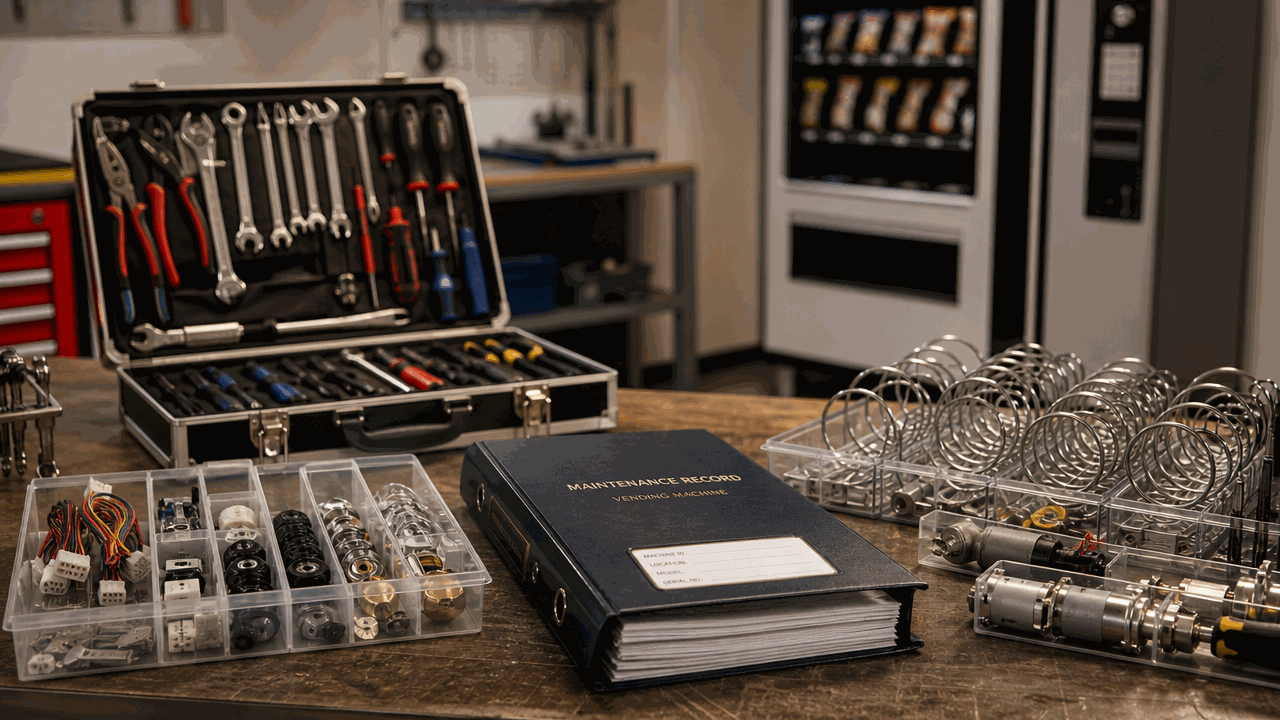
It is recommended to establish maintenance records, including the inspection date, identified problems, repair contents, and replacement parts situation. Long-term records can help you understand the equipment status and facilitate subsequent optimization of the operation plan.
For entrepreneurs who are new to the vending machine industry, formulating a maintenance process in advance is more time- and cost-efficient than dealing with equipment issues after they occur.
Establish a vending machine maintenance log
A good maintenance plan inevitably requires the establishment of a vending machine maintenance log. Many equipment problems do not occur suddenly but gradually emerge over the long term. For example, a certain aisle may occasionally have a product jam, the cooling effect may gradually decline, and the payment module may occasionally malfunction. Without records, it is difficult to determine the pattern of problem occurrence.
You can record the time of each inspection, the contents of the maintenance, the problems identified, and the handling results in the maintenance log. Long-term accumulated data can help you understand the equipment status and arrange maintenance or repair in advance to avoid small problems affecting normal sales.
A simple vending machine maintenance log usually includes the following contents:
- Inspection date and equipment number
- Location of the equipment
- Current inventory and replenishment status
- Cleaning maintenance record
- Check results of temperature, payment, and shipment functions
- Replacement parts or repair records
Next maintenance plan
The maintenance log can also help you manage different devices more efficiently. For example, when a certain device frequently has the same problem, you can use the historical records to determine whether to adjust the equipment configuration, optimize the installation location, or contact the supplier for further handling.
Nowadays, many intelligent vending machines support background data management, which can help you view the equipment operation status and sales data. If combined with manual maintenance records, you can establish a more complete equipment management process, shifting maintenance work from dealing with problems after they occur to preventing them in advance.
How to control the maintenance cost of vending machines?
The maintenance cost of vending machines mainly includes manual inspection, cleaning and maintenance, parts replacement, and repair expenses.
Maintenance cost can be reduced not by reducing the frequency of maintenance, but by reducing serious faults through reasonable maintenance. Regular cleaning of the heat dissipation area can reduce the burden on the refrigeration system, and regular checks of product channels can reduce the loss of orders due to product jams.
In addition, the quality of the equipment and the design structure also affect the long-term maintenance cost. Vending machines with a reasonable structure and modular design are usually more convenient for later inspection and maintenance.
Final Thoughts
The maintenance of vending machines not only affects the user experience of the equipment, but also relates to the long-term operational efficiency. Choosing a stable and reliable equipment supplier can help you reduce the problems of later maintenance and make the unmanned retail project run more smoothly.
Yunyin has been dedicated to the design, research, and production of intelligent vending machines for 13 years. It is committed to providing one-stop unmanned retail solutions for different markets and supports equipment customization, function configuration, and long-term technical services, helping you carry out the vending machine business more efficiently.
FAQ
Can vending machines be installed outdoors?
Yes, but outdoor environments impose higher requirements on equipment structure and protective capabilities. When choosing a vending machine, you should pay attention to the equipment’s protection design, temperature control capability and rain and dust prevention configurations. If you plan to use it outdoors, it is recommended to check with the supplier beforehand whether the equipment is suitable for the relevant environment.
Do vending machines require professional maintenance?
Typically, operators can perform basic maintenance such as daily cleaning and inventory checks. However, in the case of repairing circuits, refrigeration systems or core components, it is preferable to have this done by professional technicians. Yunyin is a professional vending machine supplier and can provide you with technical support to make your work easier after maintenance.
How to determine if the maintenance of a vending machine is simple?
Devices that are easy to maintain are generally modular in design, have a clear internal structure, and an easily inspected component layout. When buying, you can know the equipment’s structural design, parts supply situation, and the maintenance support the supplier provides.
Does the intelligent vending machine support remote device management?
Many intelligent vending machines have a background management function, so you can view the sales data, inventory status and equipment operation information. Remote management can reduce manual inspections and increase the management efficiency of many equipment locations.
Do vending machines need maintenance when they are not in use for a long time?
Yes. If the equipment is idle for a long time, it is suggested to take out the internal goods in advance, close the related systems, and take dust-proof measures. Before restarting, you also need to check the operating status of the equipment to avoid any problems after using it directly.
Will the vending machine suppliers provide spare parts support?
The services offered by different suppliers vary. Before buying the equipment, you may ask the supplier whether it supplies common spare parts, technical guidance and after-sales support. These services will affect the long-term operation experience of the equipment.
How can vending machines reduce the frequency of maintenance?
Reducing the number of maintenance visits requires addressing three aspects: equipment selection, installation location, and daily management. The possibility of equipment failures can be reduced by choosing equipment with a stable structure, reasonable planning of the installation environment, and inspection according to the maintenance checklist.