
Pricing products is often overlooked in the vending machine business which requires a clear pricing strategy and careful planning. If the price is too high people will just leave; if the price is too low there won’t be any profit. The key to success is finding the right balance between making a profit and keeping your customers happy. So, how can one effectively set the price? This article will focus on the automatic vending machine pricing strategy to help you establish a more reasonable automatic vending machine profit model.
What is the pricing strategy for vending machines?
The pricing strategy for vending machines is the process by which the operator sets reasonable prices for the goods in the machines based on the goods’ costs, the market environment, consumer demand, and operational goals.
Vending machines usually do not have human sales staff. Consumers’ purchasing behavior is more dependent on the price of the goods, purchase convenience, and placement location. Therefore, the prices of goods in vending machines are not simply calculated based on the purchase cost, but need to take into account multiple factors. For example, the same beverage may need to be priced affordably in vending machines near schools because consumers are usually price-sensitive, whereas in airports, hotels, or commercial office areas, consumers prioritize purchase convenience and may have a wider price tolerance.
Therefore, an effective pricing strategy for vending machines needs to help you find a balance between consumer acceptance and operating profits.
Factors to consider when setting the prices of vending machine items
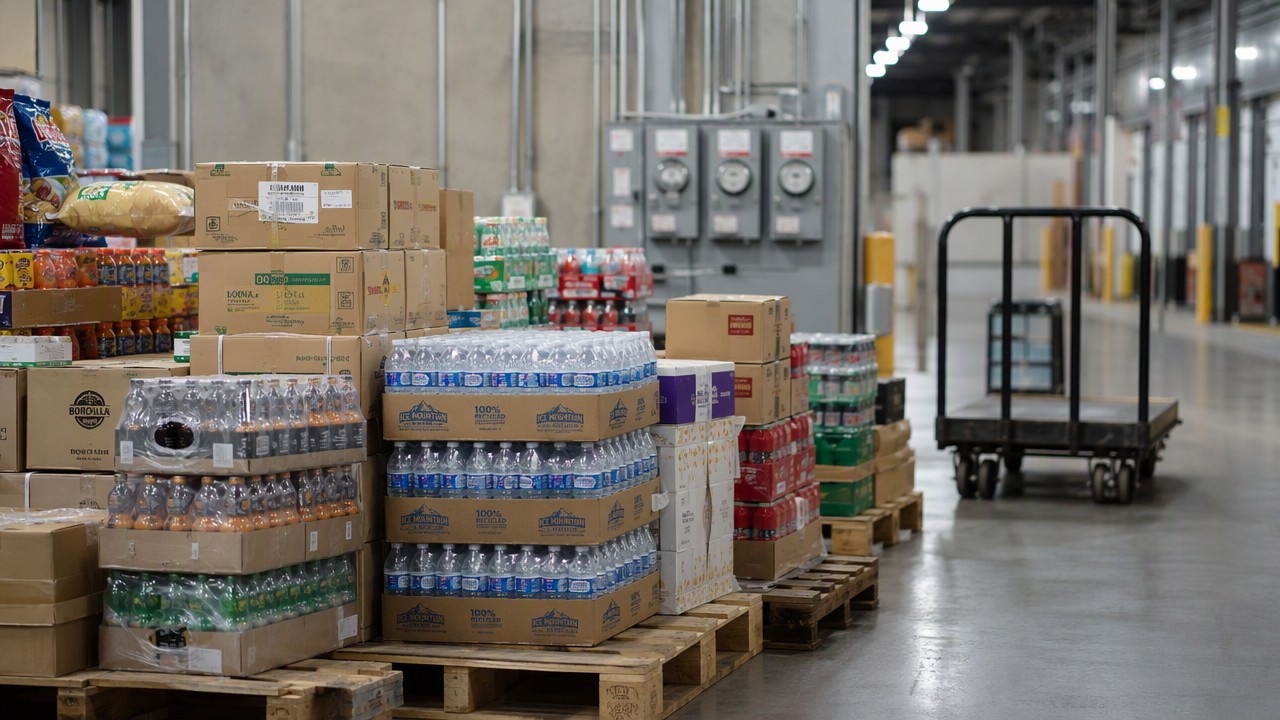
Cost of goods procurement
The cost of goods is the basis for setting prices. There are significant differences among different supply channels, purchase quantities, and branded goods. Generally bulk buying can bring down the price per unit but one needs to be aware of inventory pressure.
The lower the cost of goods, the bigger the profits in your vending machine business. But it is not advisable to choose goods on the basis of low purchase prices. You also need to consider whether consumers are willing to purchase. A product with higher profit but low sales volume may ultimately yield less revenue than a product with lower profit but stable sales.
Placement location and consumer group
The location of vending machines will directly affect the price acceptance level of consumers. Different locations have different consumption characteristics:
- Consumers in office areas usually pursue convenience and speed, and are relatively less sensitive to prices
- Consumers in schools and communities pay more attention to prices
- Consumers in places like airports and tourist attractions may place greater emphasis on convenience and speed.
Therefore, when operating vending machines in different locations, a completely uniform price system should not be adopted.
Operating Costs
Apart from the cost of goods, you also need to consider other expenses incurred from the operation of the equipment, such as electricity costs, transportation costs for goods, replenishment costs, maintenance costs for the equipment, rental costs for the venue, and so on. If you ignore these factors, you may encounter a situation where the sales volume is good, but the actual profit is not satisfactory. Especially if you need to operate for the long term, when setting the price, you should consider the overall situation rather than the profit per individual item.
Study the prices of competitors
When setting the prices for vending machine items, you also need to refer to the prices of other nearby vending machines or stores. You could go to the vending machines nearby or ask your friends and colleagues. Keeping the prices the same as or slightly lower than those of competitors can help maintain sales of the products. And if you find that your competitors’ product prices are too high or too low, you can use this as a reference to set more attractive market prices. 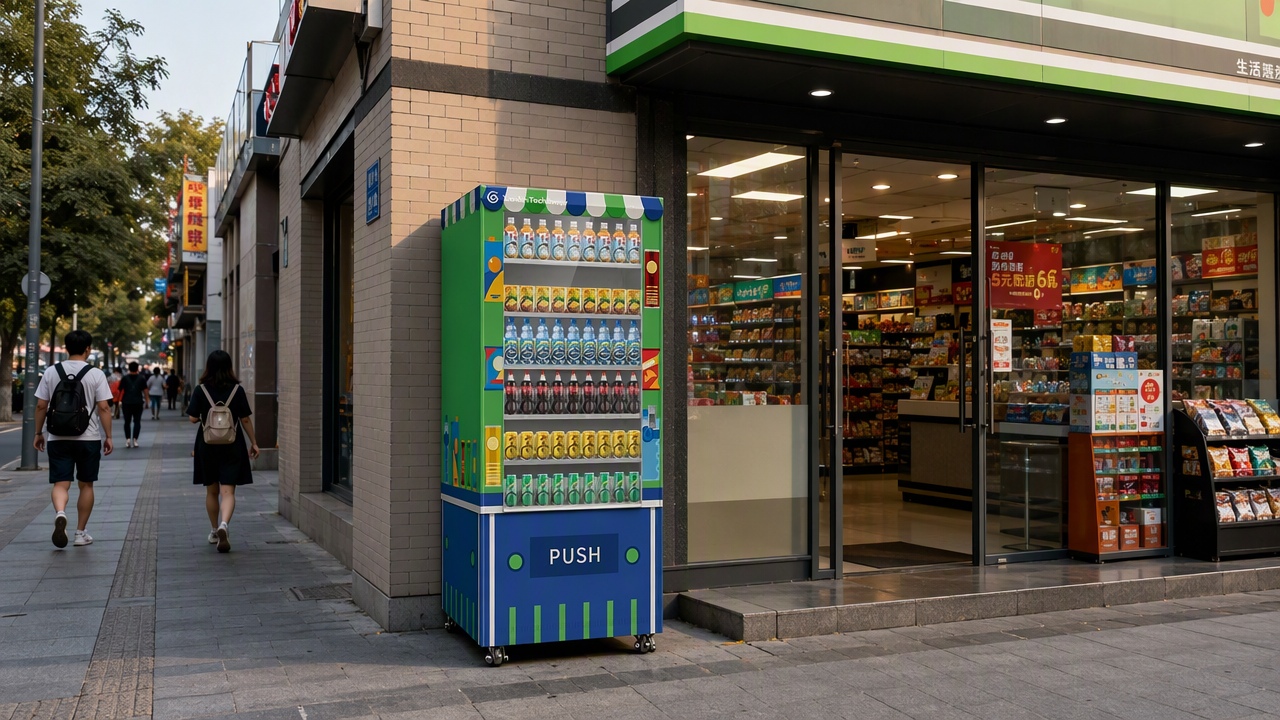
Common Pricing Methods of Automatic Vending Machines
Cost-plus Method
The most basic pricing approach in the automatic vending machine industry is the cost-plus method.
This method is mainly based on the calculation of the cost of buying the goods & then adding a certain profit margin to get the final selling price.
The computation is usually performed using the formula: Selling price = Cost of goods bought + Target profit
For instance, if it costs $1 to buy a snack and you want to achieve a profit margin of roughly 50%, you can price it at around $1.5.
In practice, however, the cost-plus method is used only as a rough, initial reference. Vending machines also have hidden costs. Equipment depreciation , electricity bills , transportation , staff to restock . If only the cost of goods purchase is calculated, it may underestimate the actual operating costs. Therefore, when setting prices, you need to consider the complete operating costs, rather than just focusing on the cost of goods purchase.
Market competition pricing method
Consumers usually compare prices. If your vending machine is close to convenience stores, supermarkets or other vending equipment, a high price for the goods may reduce the purchase rate.
The core of the market competition pricing method is to observe the prices of similar goods in the target area and then adjust according to your own advantages. If your equipment is located in an office building, the advantage is that employees do not need to leave the work area to purchase goods, then the price can be slightly higher than that of nearby stores. But if your equipment is located in a school or community, there will be no shortage of supermarkets or convenience stores nearby. Then you need to pay more attention to the price acceptance ability of consumers. However, vending machines have advantages such as quick purchase, no need to queue, and convenient location compared to traditional retail. Therefore, the price does not necessarily have to be completely lower than that of convenience stores.
Tiered Pricing Method
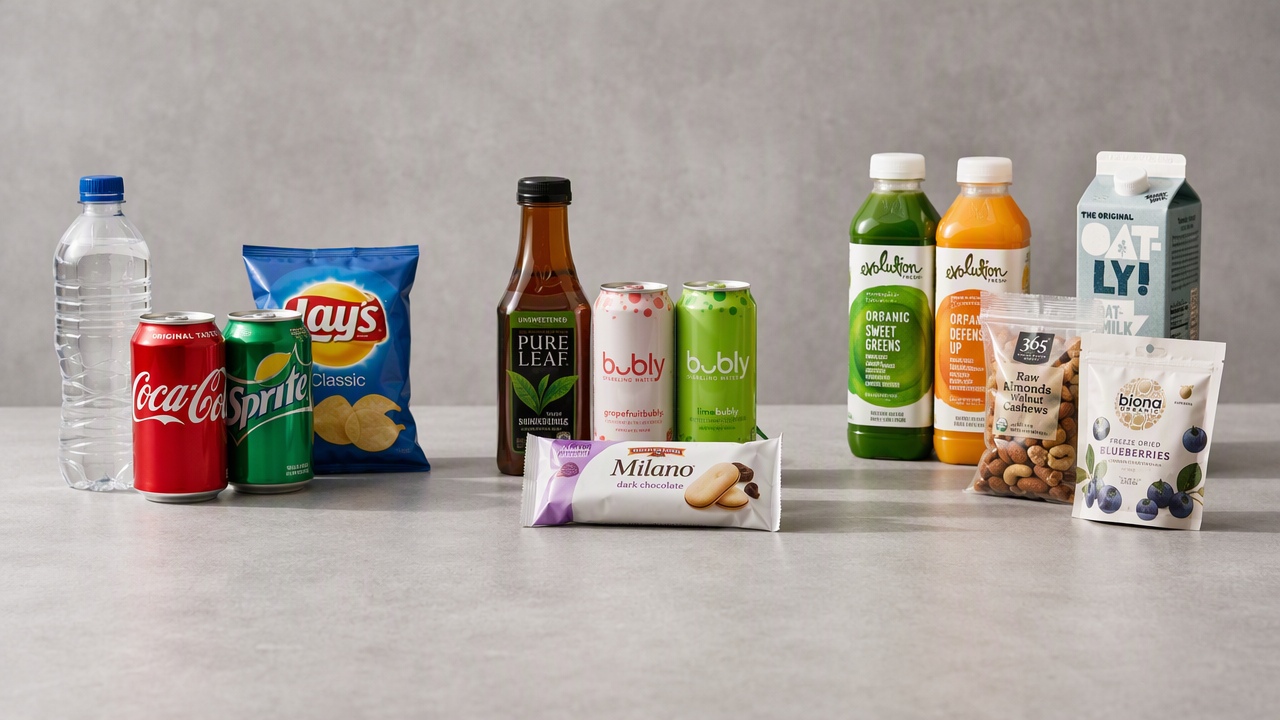
In vending machines, various products are usually sold. Different products can adopt different pricing strategies.
For example, in a beverage vending machine, a basic beverage can be set at a price that is acceptable to the general public,
while premium beverages can be priced higher to increase the profit margin. New products or special items can be tested to observe sales performance. This approach avoids applying the same profit standard to all products, allowing the equipment to meet the needs of different consumers simultaneously.
Test adjustment method
The operation of vending machines is not fixed and unchangeable after a one-time pricing. Consumer demand, seasonal changes, and competitive environment all affect sales. Therefore, many mature operators will continuously adjust prices based on sales data.
If the sales volume of a certain product is always low, you can try to adjust the price, change the product specifications, or adjust the placement. You can also check if there is any room for price increase in case of very fast sales speed of a certain product.
Over time testing enables you to find a better price plan for the current placement.
How to Optimize Automatic Vending Machine Pricing Using Sales Data
With the development of intelligent vending machines, price optimization is no longer based only on experience. Previously operators used to gather the sales data manually and then decide if they wanted to change the prices of the goods. Now, many intelligent vending devices can view sales data through the back-end system, helping you understand which goods are more popular and which ones need to be adjusted.
You can focus on the following aspects:
Changes in product sales volume
Sales volume is an important indicator for judging whether the price is reasonable. If the sales volume of a certain product has been declining for a long time, the possible reasons might be that the price exceeds the range that consumers can accept, the demand for the product has decreased, the position of the product is not obvious, or there is strong competition from similar products, etc. In such cases, you can try to adjust the price or replace the product.
Sales situation in different time periods
Consumer demand in different time periods may vary. Some locations may experience continuous growth in sales during certain specific periods, such as parks during hot summer days, stadiums during competitions, and so on. Identifying these special times and adjusting prices accordingly can help you achieve higher profits.
Small-scale price test
Price adjustments do not necessarily require significant changes. A more reasonable approach is to conduct tests, select some products for minor adjustments, and then observe the changes in sales and profits. If the sales drop is small after the price increase, the total profit might be higher; if the sales increase significantly after the price drop, it might result in higher revenue.
You can find the best price range for the target market by conducting tests repeatedly.
Final Thoughts
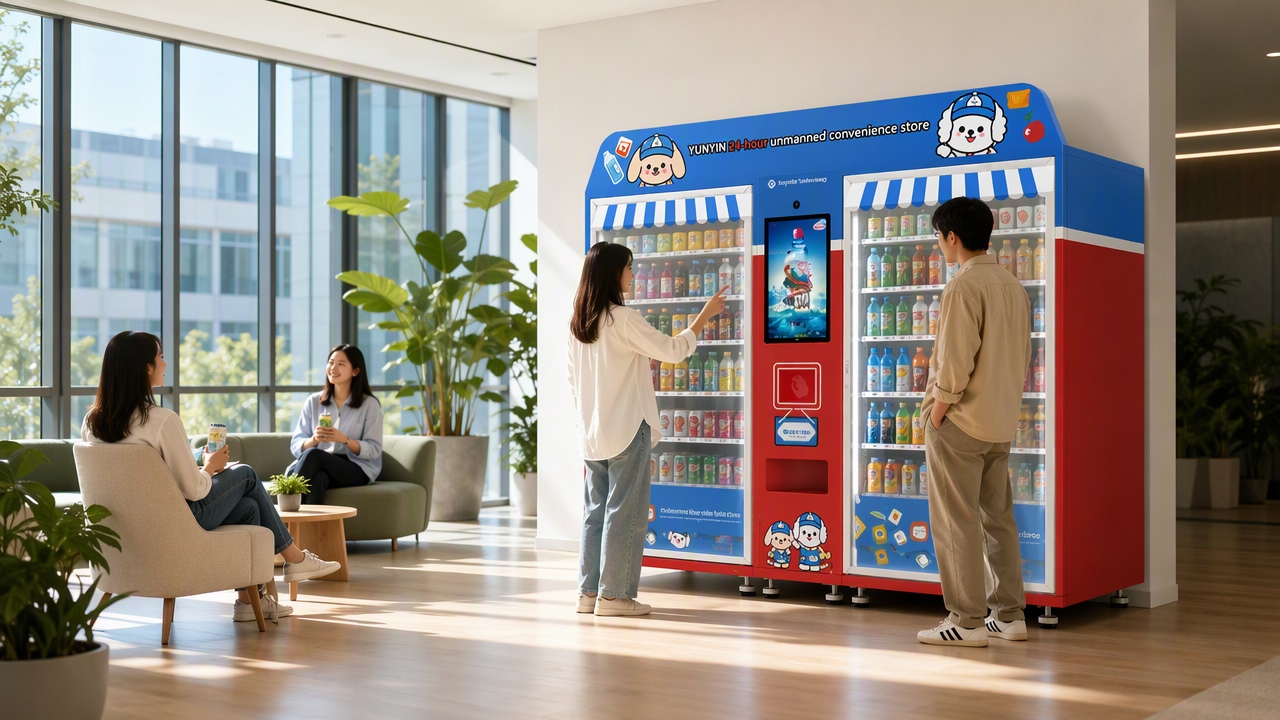
A reasonable product price is not only conducive to consumers’ purchasing intention, but also helps the operators to obtain more stable profit. If you need a vending machine solution that is specific to your market, Yunyin can provide a one-stop solution including equipment design, research and development, manufacturing and intelligent retail systems, based on different national markets, product types and operational requirements. Contact us now to obtain efficient and reliable support for vending machine solutions.
FAQ
Should the prices of goods in vending machines be lower than those in convenience stores?
Not necessarily. The advantage of vending machines is not just the price, but the convenience of purchase. When consumers need goods, they are willing to buy them quickly, so the price can be changed depending on the placement location, consumer demand and competitive environment.
How is the profit margin for vending machine products generally set?
The profit margin for products in vending machines does not have a set standard. It depends on the kind of product, where it is bought where it is placed and the costs to run the machine. Most people who run these machines will aim for a profit between 50% and 100%. This should be changed based on the product cost the price in the market and how much people like the product. It is not about trying to get the highest profit margin.
Can vending machines adjust their prices dynamically?
Yes. Intelligent vending machines are really helpful because they let you see how things are selling through the management system. You can look at things like how many products are selling and what is happening with the inventory. With this information you can change the prices of the products pick the products to sell together and even make different pricing plans for different areas. Intelligent vending machines give you the information you need to make decisions about the products, in the intelligent vending machines.
How should beginners set the prices for vending machines?
A recommendation is to start with a simple approach. You can first understand the local market price, calculate the cost of buying goods, and then determine the base price according to the location of the equipment. After operating for a period of time, adjust the prices based on the sales data instead of setting a fixed plan from the beginning.
Should unsold goods be discounted or discarded?
First, it is necessary to analyze the reasons for the low sales. If the goods have market demand but are priced too high, then a trial of appropriate price reduction can be considered. However, if the product has not been bought for a long time, it may be due to insufficient consumer demand, the product does not meet the characteristics of the target area, or the product is no longer suitable for the current market environment. In such cases, the continued occupation of the vending machine storage space could affect the sales opportunities of other popular products.
Can the vending machine’s back-end management system help optimize pricing?
Yes. The smart backend can assist business operators in understanding the sales trend of products, inventory level and the operational state of equipment.
Yunyin intelligent vending equipment supports an intelligent management system, which can help operators more conveniently view the operational data of the equipment and provide references for subsequent product adjustments and business decisions.