
In the past, buying a bottle of a drink required customers to simply find the product, press a button, pay, and collect their purchase. Today, consumers are already accustomed to browsing products, checking information, and making selections on their phones. Faced with traditional vending machines that have simple operations and limited information, there is naturally room for improvement in the experience. Vending machines with smart touchscreen interfaces can make product browsing, information viewing, and purchasing operations more intuitive. This article starts from real usage scenarios to see exactly how touchscreens improve customer experience.
Why Do Vending Machines Need a Better Interactive Interface?
By definition, a vending machine is a type of retail without a salesperson.
When customers approach the machine, there is no staff member to tell them what each product is, or to explain prices, promotions or how to buy. The machine has to do the whole process by itself: display products, provide information, direct purchases, and provide feedback on results.
Basic sales functions are certainly possible with traditional vending machines, but their interaction methods are generally quite fixed. Each product has a number and customers choose with buttons and then go to pay and pick up. This works fine for small quantities of products and simple operations. But what about big quantities of products? When a machine has dozens of products, customers have to spend more time to find what they want. You might not know right away just by looking at the small labels on the machine if more than one product looks the same. Traditional product display methods are not enough when products need a lot more introduction.
Smart touchscreen vending machines change precisely this point.
It gives vending machines an interface that can respond to customer operations in real time. What customers see, what they click, and what appears next can all change based on the customer’s current actions. As a result, vending machines are no longer just waiting for customers to enter numbers, but can provide more information around the purchasing process.
What Customers See First Should Not Just Be Product Numbers
When operating a completely unfamiliar vending machine, there are many products displayed inside, but you can only see the products themselves and a few numbers. You may know you want a drink but don’t know which one is low-sugar; you see two products with similar packaging and aren’t sure what their respective prices are. At this point, what customers need most is not more buttons, but clearer information.
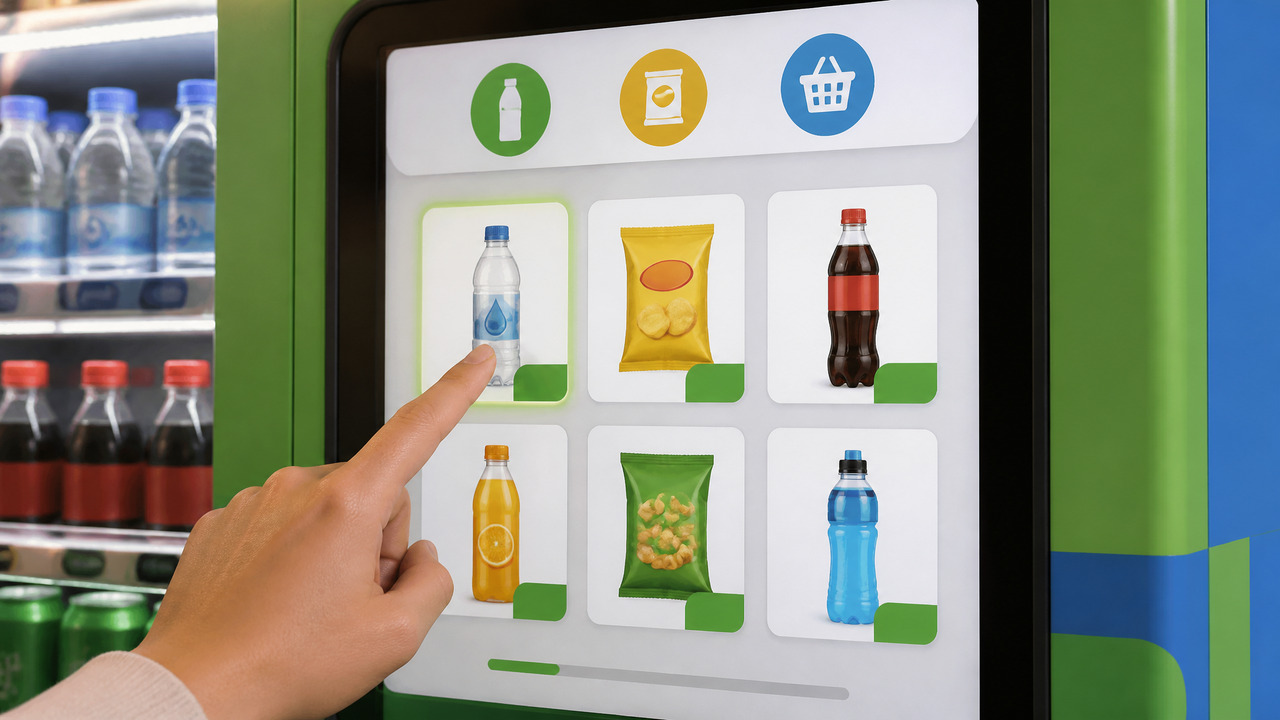
Smart vending machines with touchscreen interfaces can present products directly on the screen in the form of images, names, prices, etc. Customers can browse first, then select, rather than memorizing a number first.
This change may not be obvious for machines with fewer products, but as you need to put more products into one machine, the advantages become increasingly clear.
The same vending machine has drinks on one side, snacks on the other, and daily necessities. The traditional method may require customers to search through the channels themselves, while a touchscreen can first display by product category. Customers click the corresponding category, then browse specific products. The whole process is closer to the mobile shopping experience customers are already used to, smoother and more convenient.
Customers Can Better Understand What You’re Selling
One of the biggest limitations of vending machines is their limited space. Physical channels can display the products themselves, but cannot have the large information space that e-commerce platform pages have. You can’t put a long description next to each product, nor is it easy to design complex introductions for different products individually.
Touchscreens provide another approach: customers can first see a concise product list, and if interested in a specific product, click to enter a more detailed information page. This way, the main page doesn’t look overly complex, while more content is available when customers truly need it.
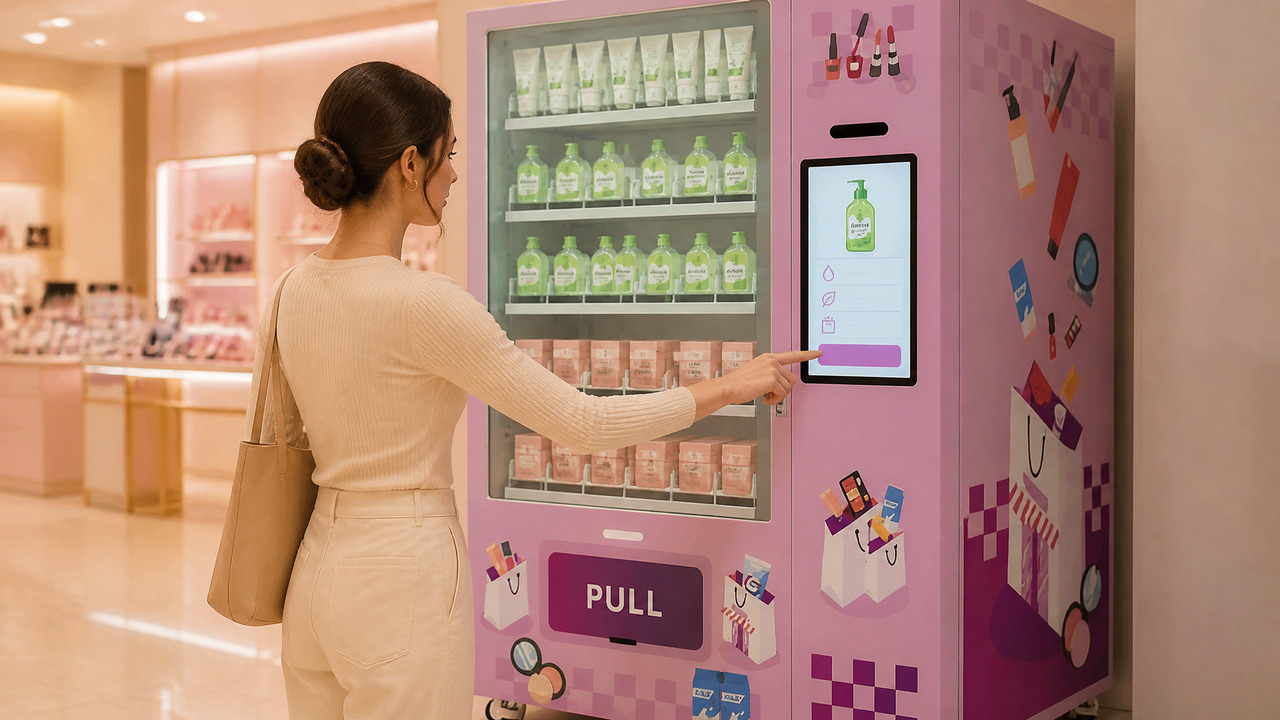
This is especially helpful for products that you don’t recognize immediately at first glance. For example, beauty products, personal care, travel products, or new foods. Customers need to know what the product is, what scenarios it fits, and what its features are before they decide to buy. There are no offline staff to introduce, the touchscreen actually plays part of the role of a digital shopping guide.
It doesn’t need to make decisions for customers, but rather places the information needed for decision-making where customers can find it.
The Simpler the Purchasing Process, the Less Likely Customers Are to Abandon It Midway
A truly complete purchase goes through multiple stages: product selection, quantity confirmation, payment, and waiting for dispensing. Any step that confuses the customer can affect the final experience.
Traditional vending machine operations are usually quite fixed, so customers need to understand for themselves what each button and prompt means. Touchscreens can make pages change along with customer operations.
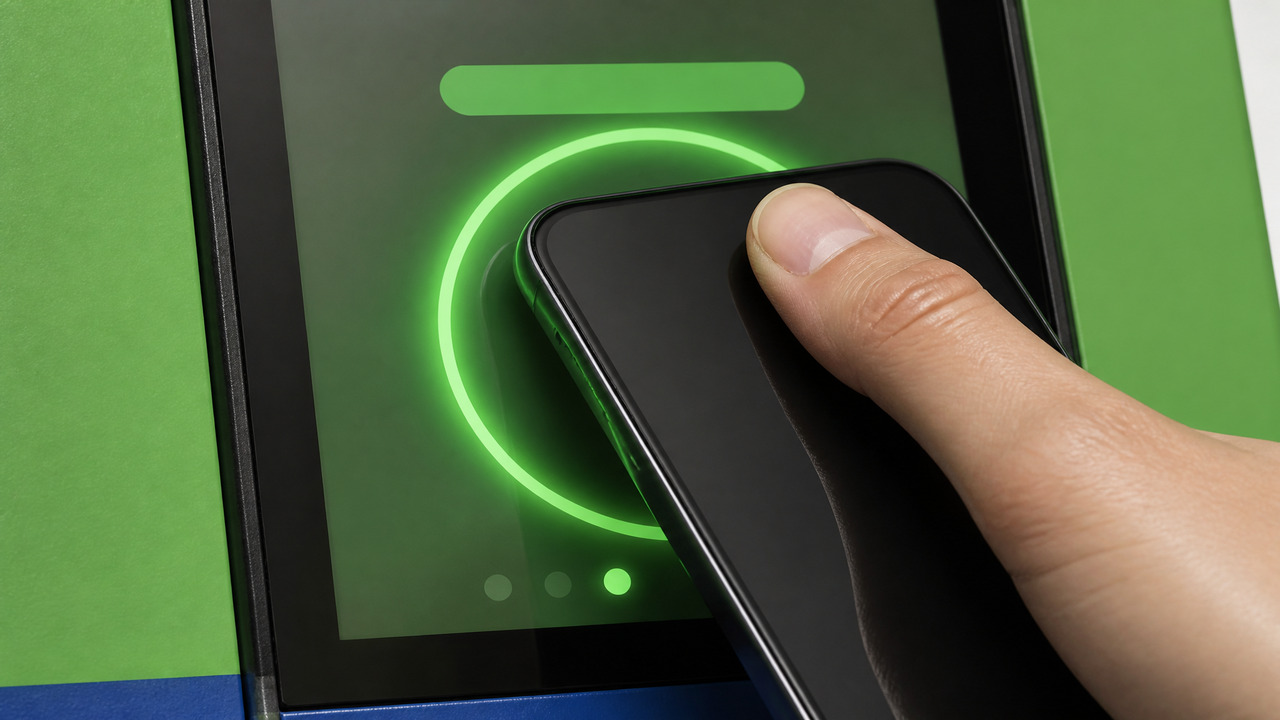
When the customer selects the product, the screen can display the current selection and price directly; when entering the payment stage, it will give corresponding operation prompts; after the transaction is completed, it will give the purchase result.
Customers do not need to know the operation logic of the whole machine in advance, they just need to deal with the current step in front of them, and the machine automatically helps them to go to the next step.
This design seems ordinary, but it’s very important for people using the machine for the first time. You can’t assume every customer is familiar with vending machines, so the less customers need to guess on their own, the more natural the entire purchasing process becomes.
From this perspective, touchscreens don’t make vending machines more complex; instead, they can make customers feel the operation is simpler.
Prices Should Be Clearly Displayed Right in Front of Customers
Price is very important information in the buying process. If the customer needs to cross-check between the product, label and screen, it’s obviously not going to be a great experience. When there are many products or packaging is similar or there are differences in price, it is particularly important to present prices clearly.
On touchscreens, product names, images and prices can all be displayed on the same page. Customers can also click on a product to confirm related information. This reduces queries arising from misreading prices or selecting the wrong product.
For you, that means something else as well: the prices of products are not forever the same.
Prices may vary by location. Seasonal products may also vary. If the vending machine product information can be configured in the back end, the front-end pages can also be changed with the business content.
So touchscreens not only make it look more premium, but also add flexibility to the front-end information of the vending machine.
Language Should Not Be a Barrier
If it’s a small, fixed group of people using your vending machine, the language issue might not be so obvious.
But if the machine is going to be installed in hotels, airports, tourist attractions, shopping malls or if your own project is aimed at international markets, it is a different story.
Customers may be from different countries, speak different languages, have different shopping habits, and even different understandings of certain operational prompts. Multi-language touchscreens are of practical importance at this time.
Customers can choose the interface according to their language preferences, and the product information and operation prompts can also be displayed in the corresponding language. The digital approach is also more flexible than adding large amounts of fixed text on the machine.
Besides, multilingual support is not just a matter of translating a few buttons. A good interface should keep a fairly consistent understanding for customers from product browsing to purchase completion. This way, even if you’re a newbie, you won’t be lost about what to do next due to language issues.
Touchscreens Also Let the Machine “Tell” Customers What’s Happening
With traditional vending machines, the status of the machine is often not easy for customers to understand. For example, a customer might only discover a product is temporarily out of stock when they click and can’t buy it. If the machine goes wrong and the screen does not give a clear prompt, customers may not even know whether it is their own operation error or the problem of the machine itself.
Touchscreens can give more direct feedback. If a product cannot be purchased, the system will prompt accordingly; if an operation needs to be repeated, it will guide the next step; after the purchase is completed, customers can see the clear results.
This kind of feedback doesn’t fix all of the problems with machines, but it fixes another very real problem: at least letting customers know what is going on. The most uncomfortable feeling in unmanned retail is to face the machine and not know what to do. Touchscreens give a level of communication between machine and customer so even in abnormal situations there is not a total lack of information feedback.
The Screen Should Give the Right Information at the Right Time
When people think about touchscreen vending machines, they think about advertising. Digital screens can actually show advertisements, brand content, information about new products and promotions. But if all the content is just for show, it can actually get in the way of customers buying.
When customers approach a vending machine, they typically want to purchase something. A good touchscreen interface should first aid customers in completing their purchase, not have them view large amounts of content.
For example, when browsing, customers can see new or related products, when choosing a product, detailed introductions, and when the purchase is made, appropriate campaign information. The content shows up at the right time based on what the customer is doing right now, and the experience is naturally better than having ads pop up all the time.
The Machine Itself Also Has More Operational Flexibility
Most of the changes discussed above happen on the customer’s end. But if you’re truly preparing to operate vending machines, you also need to consider the other side: the products and content inside the machine are constantly changing.
Today it sells drinks, later it may add snacks; this month it promotes a certain product, next month it may switch to seasonal items. Machines in different locations may also need to display different product combinations.
If the vending machine’s front-end pages are fixed, every adjustment becomes cumbersome.
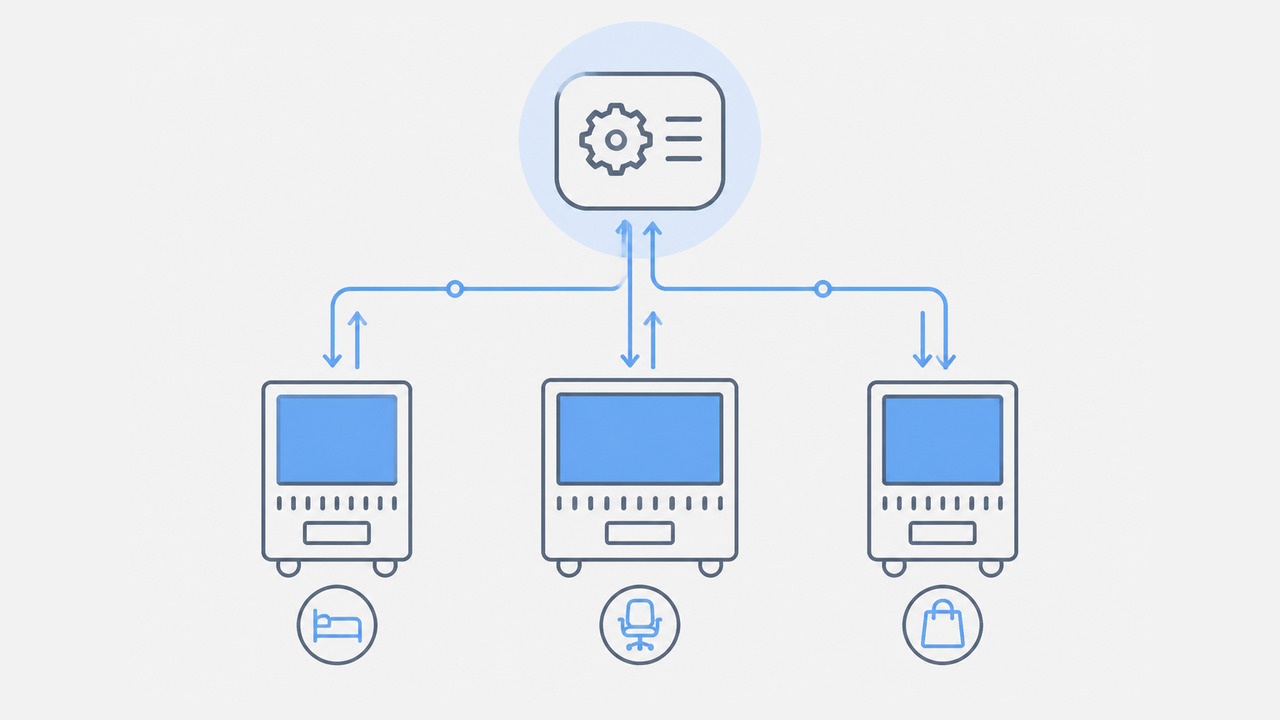
With a smart touchscreen paired with backend management, the situation is different. You can adjust product prices, images, names, and page content according to actual operational needs, letting the information displayed on the machine follow your business changes, which indirectly affects customer experience.
Because whether the content customers ultimately see is accurate, whether product information is updated in time, and whether promotional pages match current campaigns all depend on how flexible the backend management is.
Therefore, a touchscreen vending machine truly suitable for long-term operation shouldn’t be judged just by the screen itself, but by whether the front-end interaction and backend management can work together.
Don’t Just Focus on Screen Size
If you want a vending machine with a smart touch screen then the size of the screen certainly matters but it’s not the only thing to consider. The models feature touchscreens of various sizes. The larger screen offers more room for display but it should be considered together with the size of the machine, number of products and the environment of the location at the end.
What’s more worth paying attention to than screen size is the actual interactive experience.
Are product images clear? Are categories easy to understand? Can prices be seen directly? Are product details convenient to view? Are purchasing steps simple enough? These all directly affect how customers feel when using the machine for the first time.
Backend management also cannot be ignored.
If you need to operate multiple devices long-term, whether product prices, images, names, and page content can be easily adjusted directly affects later-stage management. Especially when your machines are distributed across different locations, flexible digital management is more practical than simply pursuing a large screen.
Also, if your project is aimed at overseas markets, you must also check beforehand about the multi-language requirements and local consumer habits. Ideally, the overall project should select the equipment, rather than comparing a single hardware parameter.
Final Thoughts
Unmanned retail has gradually shifted from whether it can automatically sell products to whether it can bring a better shopping experience. The interaction methods of vending machines need to be changed accordingly. Yunyin offers smart vending machine solutions with screen sizes ranging from 10.1 to 55 inches, and supports management of product information, pricing, page content and multi-language features. We can select the appropriate equipment solution based on the specific products and operation scenarios, whether you want to deploy in offices, shopping malls, hotels, or overseas markets.
FAQ
How much more expensive are touchscreen vending machines than traditional button-operated ones, and is the investment worth it?
The purchase price of a touchscreen is indeed a little higher than that of a pure button machine but you can also look at it from the perspective of conversion rate and repurchase rate. Customers buy more smoothly, stay longer and have more opportunities to see promotional content. Often they pay for the extra cost in the long run. Still not sure if it’s worth it? You can contact Yunyin and we can help you estimate the approximate ROI based on your location type.
Are the screen sizes of touchscreen vending machines all the same?
No. The machine structure, product quantity and usage scenario can be used to configure different models with different sizes of touchscreens.
In selection, it is not recommended to only choose a larger screen, but to determine the proper configuration according to the space for placement, the need for product display, and the actual operating distance of the customer.
Can product information on touchscreen vending machines be changed?
Yes. Related functions support devices to change product price, picture, name and page content from the backend. This feature is very convenient if you run several vending machines, since the subsequent product adjustments don’t have to be done by machine operation on the spot.
Can touchscreens be used to display advertisements and promotions?
Yes. Touchscreens are capable of displaying advertising, branding, new goods, and promotional content, depending on the device configuration.
If you have your own brand or want to promote a certain type of product, this content can be added to the vending machine interface. But in fact, the design should be based on the premise of not affecting the normal purchase process.
Can Yunyin vending machines have custom touchscreen interfaces?
Yunyin has the ability to design, research, develop, and produce smart vending machines, and can be matched with corresponding equipment configuration according to the product, scenario and functional requirements of different projects. If you already have certain product categories, machine quantities, target markets, or interface requirements, you can directly provide project requirements, and Yunyin will further match suitable vending machine solutions.
Can a small screen size meet basic vending needs?
Absolutely. If your location is a dormitory, office or any other situation with limited space and fast customer decision-making, a small screen is already enough to show product details and complete payments. It is also more compact and energy-efficient, which makes it a very cost-effective choice.
What support can Yunyin provide for touchscreen vending machine projects?
Yunyin is an enterprise that integrates the design, R&D, production and sales of smart vending machines, and can provide unmanned retail equipment solutions for different product types and usage scenarios. When you are ready to start a new vending machine project, you can specify the requirements for products, scenarios, quantity, target markets and touchscreen, and then further discuss equipment configuration and customization solutions.

