
If you have a vending machine that has inconsistent foot traffic, not a lot of product is purchased, or customers only purchase once and never come back, the issue could be more than just the products themselves. In this article, we will share some practical traffic-generation strategies for vending machines to assist you in enhancing the purchase experience and gradually boosting the machine’s usage rate and repeat purchase opportunities.
Choose the Right Location
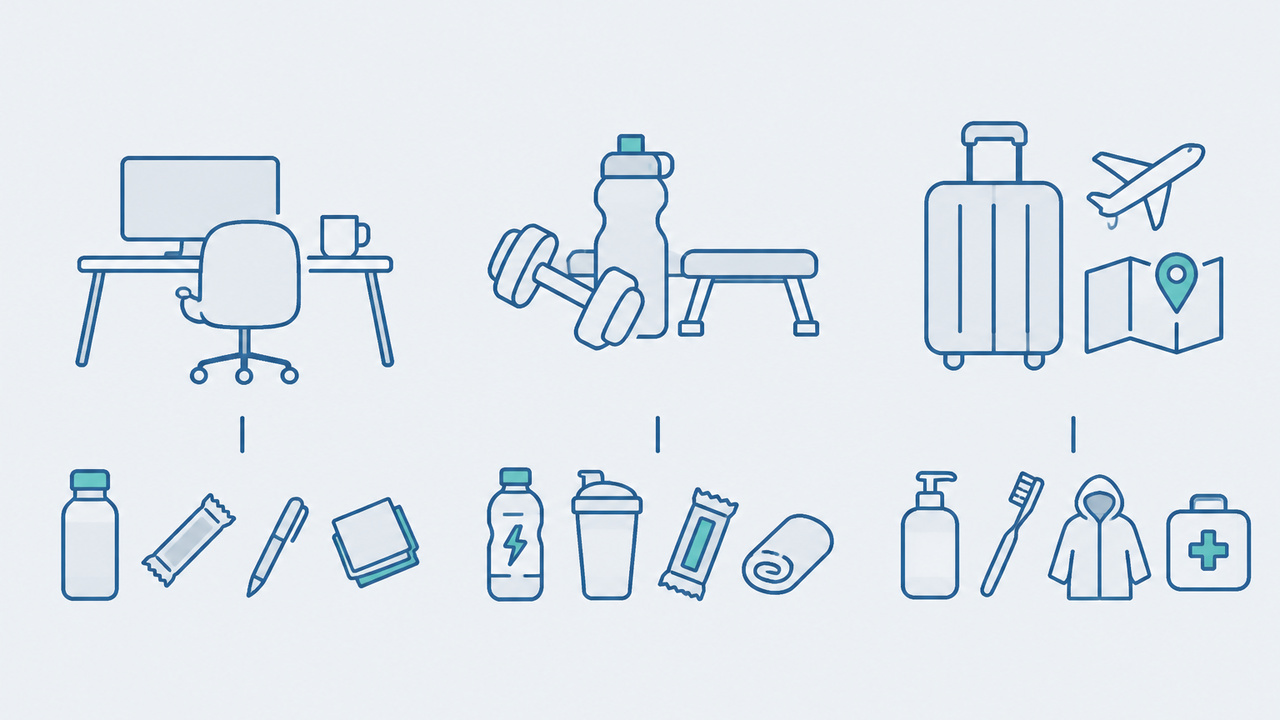
The location choice is the basis of the vending machine business. High traffic places are definitely worth attention, but foot traffic does not mean purchase demand. First of all, you need to find out the time when the crowd of the target location appears, why they come here, and whether they have real-time purchase needs. For example, customers in office buildings may need to buy the beverages, snacks or office supplies they need anywhere; visitors in hospitals may need daily necessities; hotel guests may care more about personal care products, travel items and the convenience of nighttime shopping.
Different work. Different products. Anywhere. It’s better to think about how long people stay, whether they’re waiting, and if there are convenience stores or other retail around, rather than just counting how many people pass a location every day.
The location of the machine matters, too. Positions next to entrances, rest areas, reception areas and waiting areas can all be places worth testing. The machine must not block traffic and must be in compliance with the requirements of venue management. If the machine is obscured by pillars, furniture or other equipment it can be difficult to get noticed in a crowded area.
If you already have a machine at this location, you can perform an initial observation period, track foot traffic and sales at different times of day and then have a conversation with the venue manager regarding a more suitable position. Try to keep other conditions the same before and after changing the position, so you can judge more clearly whether the position change is effective.
Adjust the Product Mix According to the Target Crowd
The machine has products but that does not ignite a desire to buy. Increasingly, more complete products are less important than whether products fit their immediate needs.
you can consider testing snacks and drinks which are easy to carry and suitable for short breaks in office areas; you can consider drinking water, sports drinks and other products that suit the positioning of fitness venues; at tourist attractions, you can consider sun protection, rain gear, charging accessories or travel essentials based on the actual needs of tourists.
Here the point is not to copy the product lists of other operators, but to match products to the scenario. Even if two machines are in the same city, if one is in an office building and the other is in a tourist spot, customers’ purchase motivations can be totally different.
You can also divide products into several tiers:
- Low-priced daily products that are easy to make purchase decisions on, and specialty products that meet specific needs,
- as well as products whose profit margin and demand performance are worth focusing on.
The mix can meet common needs while allowing testing of new products.
If you don’t know what to sell, then you can start with a small number of representative products, and adjust according to sales performance. Don’t fall into the trap of judging a product’s popularity on personal preference alone, and don’t assume that if a product is doing well somewhere else, it will be equally popular in your machine.
Make the Machine’s Appearance and Product Display More Attractive
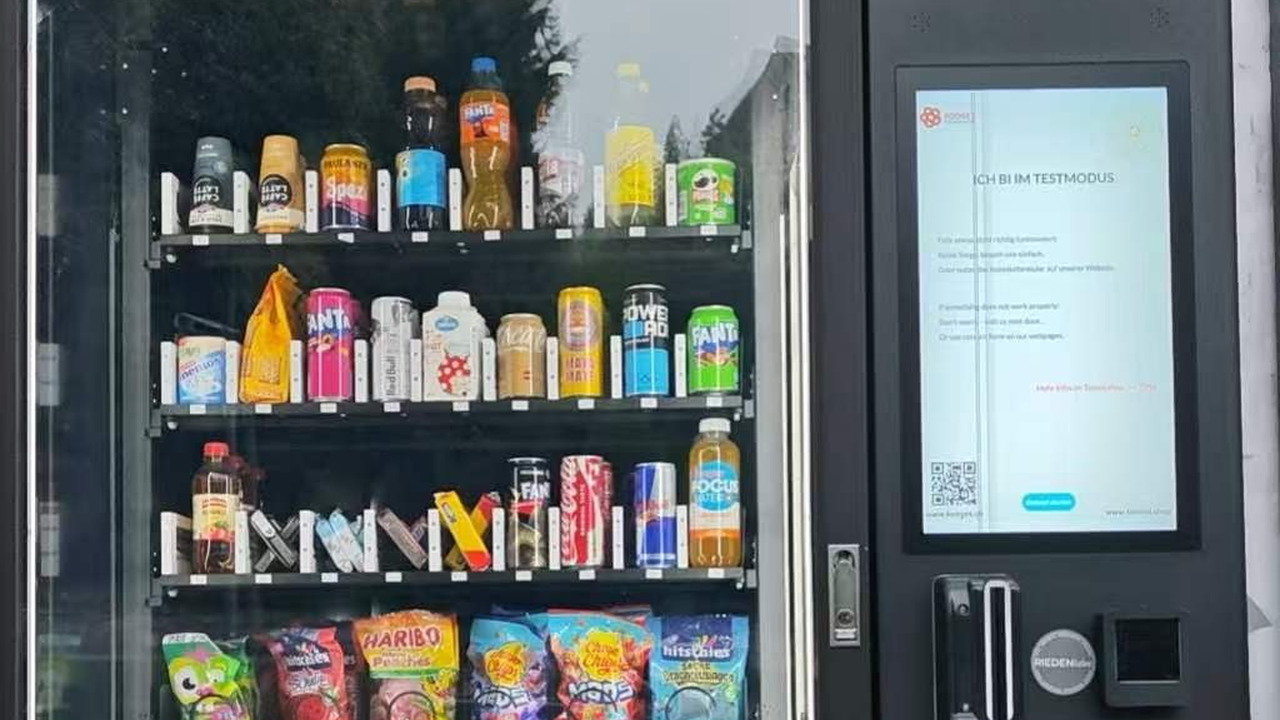
Customers need to recognize the machine first and then understand what is inside and what products are worth buying, in a very short time before they decide to buy.
Therefore, you cannot ignore the appearance and display method of the machine. Customers can easily understand the products thanks to clear product arrangement, easily identifiable categories, suitable lighting and simple visual design. Customers may leave before they even begin to choose if the machine looks cluttered, the product display is unclear or the prices are hard to recognize.
The visual design can be adapted to the context of the machine. Office building machines can use clear and simple product categories. Travel scenario machines can highlight items that tourists often need. Gift or trendy product machines can use themed color schemes and key product displays to create a more unique visual effect.
If the machine is equipped with a display screen, it can display product images, promotional information and product introductions according to the features it actually has. Instead of cramming all the information about the product, it is better to highlight the content that the customer is most interested in. For example, product use, price, specifications, and current offers are the first things customers want to know.
More display content is not always better though. People are normally in a rush to get their purchase over with, not standing in front of the machine reading a ton of instructions. Clear product information and highlight key points. Make sure the screen content matches the actual products on sale and prices.
Provide Convenient Payment Methods
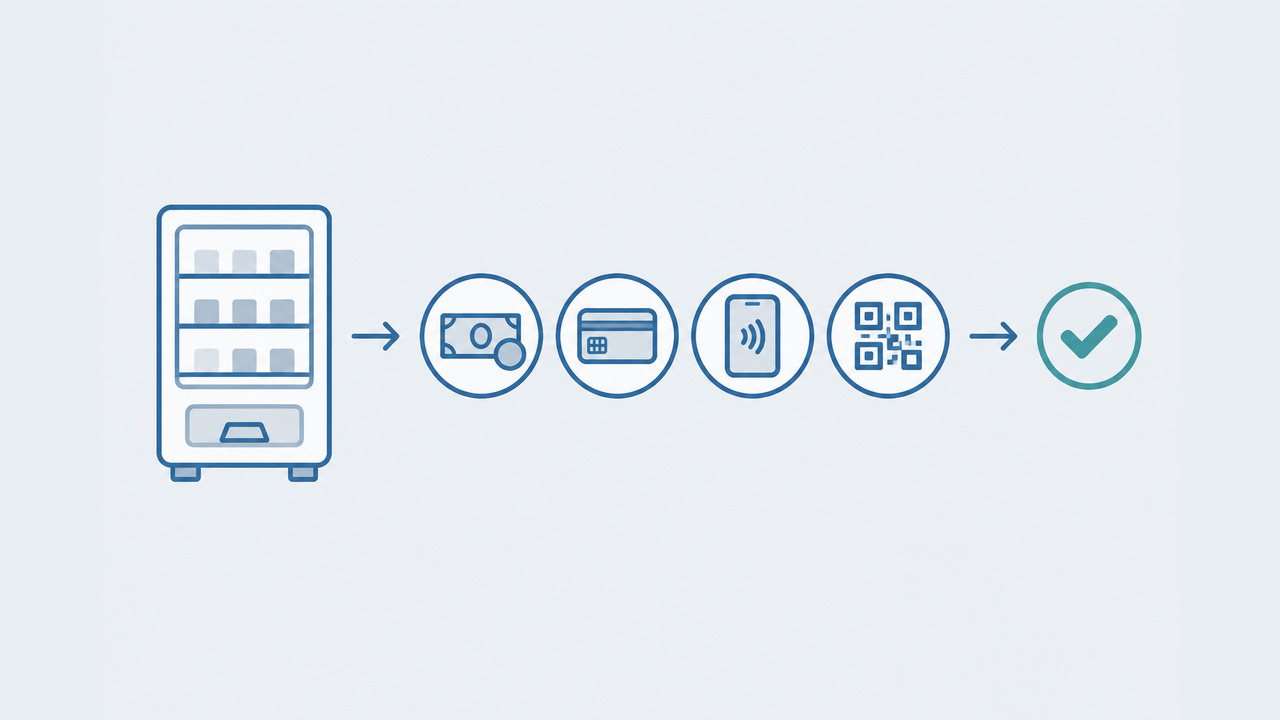
The transaction may fail if customers have already picked an item and then realize that the machine does not accept their preferred payment method. The convenience of payment is directly related to the smoothness of the vending machine purchase process.
Apart from cash payment, you can think of credit cards, debit cards, and common local mobile payment methods depending on the target market and the actual configuration of the machine. Payment habits vary from country to country and from region to region. When setting up the machine, the most used payment channels to target the customers should be prioritized.
Payment methods also need to match the operating scenario. Locations with many international travelers may need a broader range of cashless payment options; customers in office venues may want to quickly complete transactions through familiar bank cards or mobile payment.
Besides the payment methods themselves, the operation flow is also worth checking.
- Is the payment entry easy to find?
- Can customers clearly know how to select products?
- After payment succeeds, does the machine give clear feedback in time?
If there are too many operation steps and the prompts are unclear, customers may hesitate or even give up the purchase.
You can regularly start from customers’ actual usage process and check every link from product selection to payment to pickup. Reducing unnecessary operations so even first-time users can easily complete the purchase is often more meaningful than simply adding more products.
Design Attractive Promotions
Promotions can give customers a reason to buy immediately, but long-term reliance on low prices isn’t an ideal way to operate. If every time you attract customers you need large discounts, profit margins may be affected, and customers may gradually get used to waiting for offers.
You can first clarify the promotion goal, then decide the activity format. If you want customers to try new products, you can set time-limited offers for specific products; if some products have slow inventory turnover, you can adjust prices within a reasonable profit range; if the machine’s sales are weak during certain periods, you can test period-specific offers.
You can arrange short-term discounts for newly launched products and observe whether they attract new purchase demand; you can also combine related products during holidays, making it easier for customers to find products suited to the current scenario. For fixed venues such as office buildings, campuses, or hotels, you can also arrange clearly themed promotions based on actual foot traffic changes.
But sales volume isn’t the only way to measure a promotion. Even if the activity brings more orders, if the discount is too high and the product cost is high, the final profit may not be ideal. At the same time when you evaluate promotion effects, you should watch sales quantity, sales revenue, product costs and extra expenses brought by the activity.
If your machine and management system support remote price adjustment, you can adjust product prices based on actual operating needs, reducing the trouble of having to operate on site for every adjustment. But specific pricing strategies should still be based on product costs, market prices, and customer demand, rather than blindly cutting prices to attract traffic. If you want a broader plan behind these tactics, see this vending machine marketing strategy guide.
Update Products Regularly
If a machine is selling the same products for a long time, then regular customers may soon learn all its choices. They won’t necessarily check the machine again when they have no new needs.
Refreshing the product mix can rekindle the interest of customers suitably. You could try introducing new products or changing the proportion of existing products according to season, holidays, local events and changes in target crowds. For example, in summer you can focus on testing cool drinks, in cold seasons you can consider products more suitable for the needs at the time, and during festivals you can arrange themed gifts or snacks.
But product updates are not about having to replace all inventory often. For the best-selling products that have already stabilized, it is better to keep a reasonable supply, so as not to lose the original sales base for the sake of novelty. In practice you can keep some core products with stable demand and put aside some positions to try new products.
You can also actively gather customers’ opinions. You can learn which products customers would like to see added, which products are incorrectly priced and what inconveniences they are experiencing by using simple questionnaires, feedback channels or by talking to the venue staff. Once you have your feedback, it’s a good idea to start off with a small number of changes that you can actually do something with. If customers’ suggestions match real needs, you can slowly “fine-tune” the product mix. This avoids products being selected solely on feel and offers more guidance for product updates.
Adjust Operations Strategy Based on Sales Data
Intuition and experience may help you spot problems, but sales data can help you judge whether the problem truly exists and what to do next. If a certain type of product has long had low sales, you need to judge whether the product itself is unpopular, the price is inappropriate, or the placement and display method aren’t eye-catching enough. If the machine’s sales are clearly higher during certain periods, you can further observe the customer types and purchase needs in that period, then decide whether to adjust the product mix or promotion arrangements.
You can focus on several indicators: product sales volume, sales revenue, individual product performance, transactions in different time periods, and inventory changes. When conditions permit, you can also compare this data against promotion dates, product adjustment times, and machine position changes.
Imagine you are stocking an office building vending machine with a few healthy snacks. Just because some orders pop up when the new products are launched, don’t assume the adjustment has been successful. You also need to monitor for a period of time, compare the performance of new products to similar products, and see if original products are impacted.
If the machine management platform can view sales records and machine status, then you can use this information to more quickly locate operational problems. You can check the restocking arrangements first if the product always sells out, and you can combine the equipment status and the on-site environment to further analyze the cause if the overall sales performance of a machine changes.
Data analysis doesn’t mean you have to build complex models. For those just starting, regularly recording sales, comparing performance before and after adjustments, and making small improvements based on results can already help you gradually find a way of operating more suited to yourself.
Keep the Machine Clean, Products Well Stocked, and Equipment Running Stably
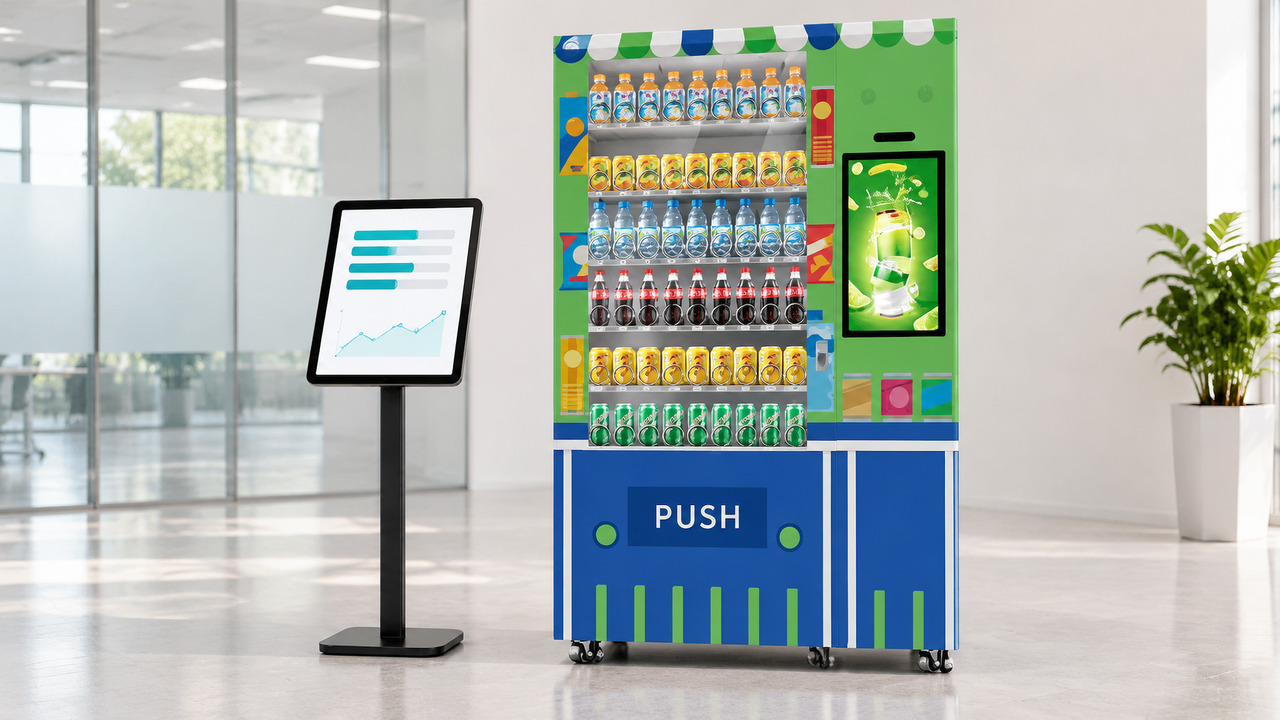
Attracting customers to approach or walk up to the machine is only the first step. If customers find the machine’s appearance dirty, products out of stock, or they can’t normally pick up goods after paying, even if they initially had purchase intent, they may choose to give up.
A Clean Machine Leaves a Better First Impression on Customers
Regularly clean the surface of the machine, glass and operation areas, check that the product labels and price information are clear, and make sure there is no clutter around affecting use. Storage, shelf life and hygiene management for food and beverage machines shall be carried out in accordance with the relevant requirements.
Restocking Shouldn’t Happen Only After the Machine Is Completely Empty
You can determine a check frequency according to how fast the product sells and how often you restock it. You want to prioritize products that are fast-selling and easy to run out of. If some products are long-term slow-selling, you can reduce the frequency of restocking, avoid inventory backlog, and prevent losses from expiry.
Equipment Operation Also Affects Customer Experience
Problems such as payment exceptions, pickup failures, display information errors, and others can all cause customers to lose confidence. So in addition to the usual on-site inspection, you should also pay attention to the machine running status and deal with the faults in time after found.
If you run more than one machine, central management and remote viewing of the equipment help you spot exceptions faster and avoid the need to check the machines one by one on site. However, remote management cannot completely replace on-site maintenance, and daily operations processes still need to factor in machine cleaning, product checks and real pick-up testing.
Final Thoughts
To draw more customers to vending machines, the right location, product mix, payment options, display, and ongoing data analysis must be combined. If you are starting or expanding an unmanned retail business, choosing the right equipment is important as well. Yunyin offers a wide range of smart vending machines and OEM/ODM customization services, and can help you plan a more suitable unmanned retail solution according to the operating scenario, product characteristics, and project needs. For the sales-side levers that work together with these ideas, read how to increase the sales of vending machines.
FAQ
How can I make a vending machine attract more customers?
Start with three points: Select a site that fits the needs of the target audience. Provide goods that fit local consumption patterns. Make it easy for customers to make a purchase. Then, keep tweaking based on product updates, promotions and sales data analysis. It is better to find the most obvious current problem and improve gradually than to try many methods at once.
Is it easier to make money with a vending machine?
There is demand for vending in office buildings, schools, hospitals, hotels, transportation hubs and commercial venues. But no location is a sure-fire money maker. You need to weigh foot traffic, dwell time, consumption demand, venue rent, competition and restocking costs. Before formally placing the machine, investigate the crowd and existing retail services at the target location as much as possible, and then judge whether the location fits your operating plan.
What products should a vending machine sell?
Product selection is determined by the scenario the machine is in and the target customers. In office venues you can test snacks, drinks, and office essentials; in hotels you can consider travel items and personal care products; at tourist attractions you can focus on tourists’ immediate needs. Initially you can choose a small number of representative products and judge which are worth keeping long-term through sales volume, profit, and inventory turnover.
What should I do if a vending machine has no customers buying?
First check whether the machine is easy to find, whether product prices are reasonable, whether the products on sale fit local demand, and whether the payment and pickup processes are normal. Then review sales records to judge whether the problem is mainly in foot traffic, product selection, or the purchase link. If the machine itself has no fault, you can first adjust the display method or test a new product mix, then compare performance before and after adjustment, rather than directly attracting customers through large price cuts.
How often should a vending machine update its products?
Products with high daily consumption frequency can be replenished in time according to sales speed and inventory; new, seasonal and thematic products can be arranged for phased testing. The trick is to have a steady stream of top sellers, but also leave some room to test new products. You should also set a refresh rate based on a combination of shelf life, inventory costs and actual demand so you don’t waste by swapping out products too often.
What promotion methods can a vending machine use?
Typical types include time-bound discounts, new product offers, holiday-themed promotions and product-specific offers. The choice of method depends on the problem you want to solve. New product introductions are good for testing customers’ acceptance of new products, and specific-period promotions can be used to see if there’s growth room in low-sales periods. After the activity is over, check the sales volume, sales revenue and profit at the same time to judge whether the promotion is worthwhile to continue.
What can data analysis of smart vending machines do?
Sales data can help you to know which products are more popular, which sell slowly, and the operating performance in different time periods. You can also more timely arrange restocking, investigate equipment problems, and adjust product prices of products together with stock changes and machine status. Yunyin provides intelligent vending machines and corresponding management solutions, and the specific data viewing and management capabilities can be further confirmed according to the model and configuration selected for the project.
What support can Yunyin provide for vending machine startup projects?
Yunyin is an enterprise integrating design, R&D, production and sales of smart vending machines We provide multiple types of vending machines and OEM/ODM customization services. For those who are in the daily consumer goods retail business, or want to develop unmanned retail projects for specific scenarios such as hotels, hospitals and office venues, you can consult us about suitable equipment solutions based on product type, use environment, payment needs and operating plans.

