
With the development of the unmanned retail industry, more and more entrepreneurs and investors are beginning to focus on the vending machine distribution business. But when entering this market, many people encounter problems such as how to choose products, how to find suppliers, and whether the profit margin is stable. This article will help you plan your unmanned retail business more clearly from aspects such as the basic concepts of vending machine distribution, common models, methods of choosing suppliers, and future development trends.
What is vending machine distribution?
Vending machine distribution, simply put, is a business model that makes a profit by purchasing vending machine products and then selling the equipment to end customers, operators, or enterprise users.
Vending machine distribution is not just about selling one machine. With the development of smart technology, today’s vending machines have become smart retail devices that integrate commodity sales, payment, data management and remote operation. Therefore, a mature distribution business typically needs to cover multiple links such as product supply, marketing, technical support, and after-sales service.
The distribution model provides a way to connect the manufacturer and the market. You don’t necessarily have to develop your own equipment, nor do you have to build a complete production system. Instead, you can take advantage of the products and technology resources that your suppliers already have and focus more on market development and customer service.
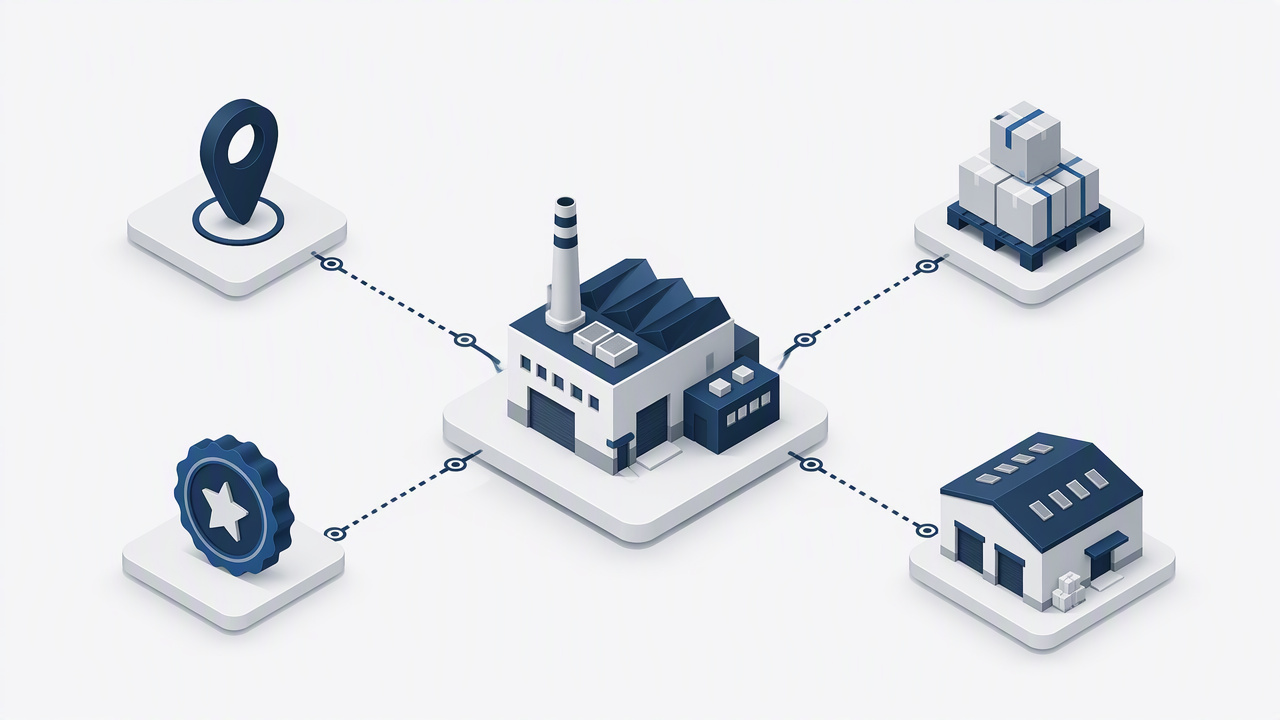
What are the common patterns of vending machine distribution
Different entrepreneurial backgrounds and market resources are suitable for different distribution methods. The following are the more common vending machine distribution models currently available in the market.
Regional agency model
A regional agent is a common form of cooperation.
Under this model, the distributor is typically responsible for market development and customer maintenance in a certain area, while the supplier is responsible for equipment production, technical support and product supply.
This approach is suitable for people with local business resources. For example, if you are familiar with local businesses, schools, shopping malls or property resources, you can expand the vending machine to more locations by establishing partnerships. The advantage of a regional agency is that the market scope is more defined and you can manage local customer resources over the long term instead of one-off equipment transactions. However, when choosing this model, you need to know the local market capacity in advance. If consumer demand in the target area is limited, it may be difficult to sell even if the product quality is good.
Bulk purchase and resale model
The bulk purchase model is more suitable for customers with sales channels or trading experience.
In this model, you can purchase the equipment directly from the vending machine manufacturer and then sell it according to the customer’s demand.
The key to this model lies in the supply chain capability. If the supplier can offer a variety of models, stable delivery and technical support, you can face different customer demands without having to constantly search for new product sources.
Exclusive general distributor model
Exclusive general distributors are typically suitable for enterprises or large distributors with strong market development capabilities.
Exclusive general agents usually have a higher level of market cooperation authority than regular agents, such as being responsible for sales promotion in a certain country, region or even industry market.
This model is particularly common in overseas markets. For example, if a company wants to expand its smart vending machine business in a certain country, it can establish an exclusive partnership with the manufacturer, which is responsible for local market development, customer maintenance and channel building.
The advantage of an exclusive general agent is that it offers a higher level of market protection, reduces competition with the same brand, and helps to build a sales network in the long term. But at the same time, the general agent usually has to take on more market responsibilities, including sales targets, inventory management, local service capabilities, etc.
OEM/ODM private label model
As competition in the unmanned retail market increases, more and more companies want to build their own brands, so OEM cooperation has also become an important way of vending machine distribution.
The OEM model typically involves manufacturers producing equipment according to customer requirements and selling it using the customer’s brand, LOGO, or specified appearance.
The ODM model is based on the manufacturer’s existing research and design, and makes functional, structural or appearance adjustments according to the customer’s requirements.
This model is suitable for businesses that want to build their own brands, such as local retail equipment companies, chain brands, or businesses that want to expand their unmanned retail business. Through OEM cooperation, you can have your own product brand while taking advantage of the production and R&D capabilities of established manufacturers to reduce the cost of building your own factory.
Overseas warehouse partnership model
For overseas market customers, logistics efficiency is also an important factor affecting sales, so the overseas warehouse model is gradually attracting attention.
Under this model, suppliers or partners store a certain number of vending machines in warehouses near the target market in advance. When local customers have purchasing demands, goods can be shipped directly from overseas warehouses, reducing shipping time and improving delivery efficiency.
The overseas warehouse model is more suitable for distributors who already have a certain sales scale. If you have developed a stable customer base and predict that you will continue to sell equipment for some time to come, you can stock up in advance through an overseas warehouse to improve your market response speed.
What to consider before starting a vending machine distribution
When many people see the market opportunities of vending machines, they will directly focus on the price of the equipment. But in fact, to successfully carry out a distribution business, there are far more aspects to consider
Choose the type of product that meets market demand
There are more and more types of vending machines, and different products correspond to different consumer markets. A good vending machine is configured based on the specific demographic data and behavioral habits of each location, rather than using a uniform combination of products.
If your customers are mainly from office buildings, then equipment for beverages and snacks may be more acceptable; Other types of equipment need to be considered if your customers come from the medical, campus, or public service sectors.
Therefore, before you start distributing, you need to understand your target market first, rather than simply choosing the cheapest machine. Whether a device has a market depends not only on how many functions it has, but also on whether it addresses the real needs of users.
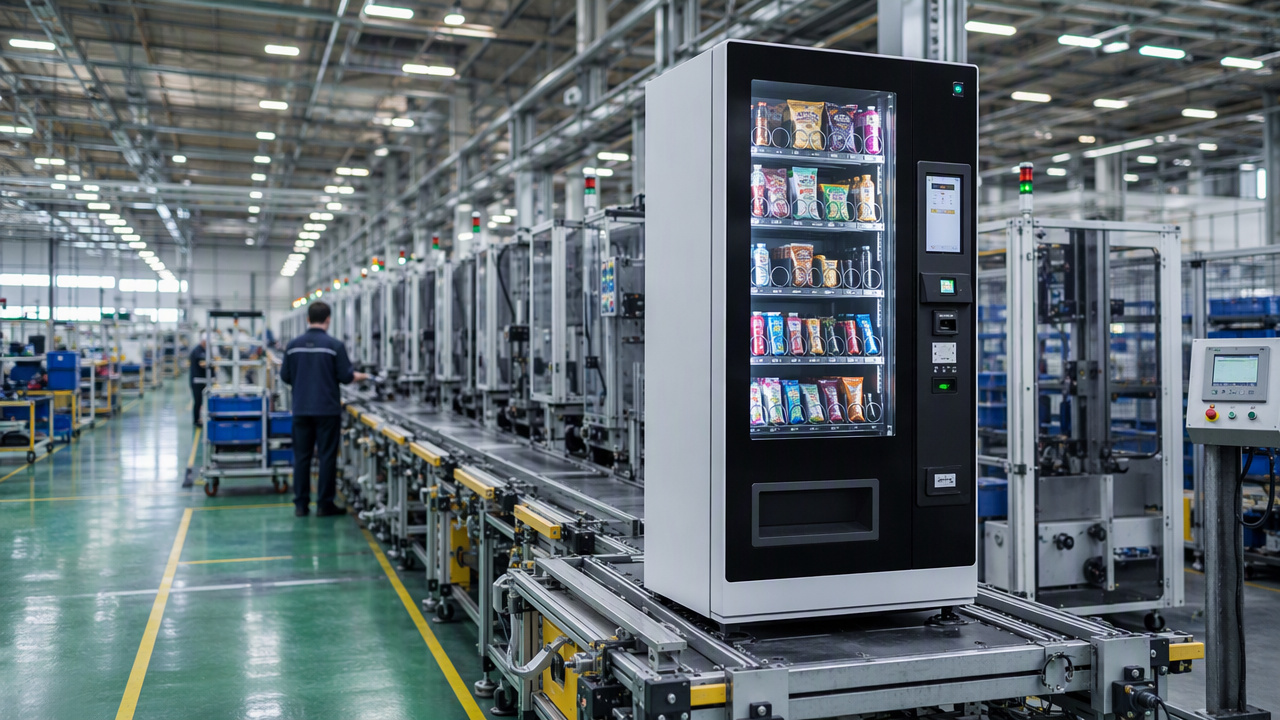
Confirm whether the supplier has a stable production capacity
Vending machine distribution is not a one-off deal. If you want to grow your business in the long term, you need to find suppliers with whom you can work continuously.
The production capacity of the supplier will directly affect your sales plan. For example, when you develop a large customer who needs to purchase multiple or even dozens of devices, if the supplier fails to deliver on time, it may affect your customer relationship.
Therefore, when choosing a partner, you need to focus on several aspects:
Whether the supply of products is stable
Whether the supplier has its own production plant and is able to continuously provide different types of vending machines will affect your business expansion ability.
Whether the product quality is reliable
Vending machines often need to run for a long time. If the equipment breaks down frequently, it will not only increase maintenance costs but also affect the end-customer experience.
Whether the technical support is complete
As smart vending machines become increasingly functional, they involve multiple modules such as payment systems, back-end management, and remote monitoring. Whether suppliers can provide timely support when customers encounter
operational problems is also an important factor in distribution cooperation. Choosing a partner with a stable supply chain is equivalent to adding an extra layer of security to your business.
Understand the local market and customer demands
Vending machine distribution is not simply about selling the equipment; it’s about finding the people who really need it.
The demand for vending machines varies from country to country, region to city.
For example, some regions are more focused on beverage and food retail, hoping to improve the convenience of consumption through vending machines; Some businesses are looking to improve employee benefits through equipment; Some public areas may focus more on purchasing needs for medical supplies, daily
necessities, etc.
Therefore, you need to do some simple research before entering the market:
- What do local consumers like to buy?
- Which places are suitable for vending machines?
- What are the competing brands?
- Are customers more concerned about price, functionality or after-sales service?
These questions can affect your product selection and sales strategy. Many times your goods don’t sell because there’s no market for the vending machines, but because you haven’t chosen products that fit local needs.
Build sales and after-sales service capabilities
Vending machines are long-term devices, and customers usually pay attention to after-sales service after purchasing them.
If you only complete the sale of the equipment but fail to solve the problems customers encounter during installation, commissioning and use, it will affect customer satisfaction in the long run.
Therefore, a mature distribution business needs to gradually build its own service system.
If you are larger in scale, you can also build a local service team to provide faster support to customers. The development of the vending machine industry has shifted from simply selling equipment to providing continuous service. Distributors that can help customers solve operational problems are more likely to get opportunities for long-term cooperation.
Final Thoughts
Choosing the right vending machine distribution partner is an important step for you to successfully get into the unmanned retail industry. With years of experience in smart vending machine development and production, Yunyin provides a variety of product options, OEM/ODM customization capabilities and comprehensive cooperation support to help global partners expand their vending machine business. If you are looking for a reliable vending machine manufacturer or distribution partner, please contact Yunyin to explore more possibilities of cooperation.
FAQ
How much start-up capital is needed for vending machine distribution?
The start-up cost of vending machine distribution can be influenced by the model of partnership, the quantity of purchase, and the marketing method. If you choose a small-scale test market, the upfront investment mainly includes equipment purchase, transportation and sales promotion expenses; If you plan to carry out regional agency or bulk sales, you will need to prepare more funds for inventory and market development. You can choose the appropriate approach based on your own resources and don’t necessarily have to invest a large amount of equipment all at once.
Can you become a distributor without experience in the vending machine industry?
Yes. You do not need to have many years of experience in the industry to distribute vending machines, but you do need to have some market development ability and learning ability.For example: understanding local customer needs, finding sales channels, maintaining the customer relationship, etc. You can also find suppliers who offer product training, technical support and sales materials.
What is the difference between vending machine distribution and owning your own vending machines?
The biggest difference between the two lies in the business focus. The main activities of running your own vending machine are placing the equipment, replenishing the product, daily management and sales revenue. The distribution model mainly includes developing customers and selling equipment.
If you are good at sales and channel expansion, distribution may be more suitable for you; If you want to run a retail business directly, you may consider purchasing equipment to operate.
How to choose a vending machine that suits your local market?
Before choosing the equipment, it is necessary to make judgments based on the local consumer demand, the sales location and the type of goods.
For example, office areas may be more suitable for beverage and food equipment, medical areas may focus more on medical supplies equipment, and special consumer markets may require customized equipment.
It is recommended to identify the target customers first and then select the corresponding products, rather than purchase the equipment first and then look for the market.
Does Yunyin support overseas vending machine distribution cooperation?
Yes. Yunyin has been serving the global market for many years, providing smart vending machine products and unmanned retail solutions to overseas customers. Whether it’s bulk buying, regional cooperation or customized projects, we’re able to communicate in accordance with the customer’s needs.
If you want to start a local vending machine business, you can contact the Yunyin team to learn about the specific ways of cooperation.
Does Yunyin support customizing vending machines?
Yes. With different markets having different demands for the look and feel of the device, the functionality of the device, the way to pay and the language of the system, OEM/ODM customization has become an important way for many distributors to expand their markets.
As a smart vending machine manufacturer, Yunyin can provide product customization services according to customer needs, helping partners to create unmanned retail devices that meet the demands of local markets.
What conditions need to be met to become a vending machine distributor?
Different partnership models have different requirements for distributors.
Generally speaking, you need to have certain market development capabilities, customer resources or sales channels, as well as an understanding of local market demands. If you plan to develop in the long term, you also need to focus on after-sales service capabilities and customer maintenance capabilities.
Why is it more advantageous to partner with a vending machine manufacturer than a trader?
When you work directly with the people who make something like a manufacturer you do not have to deal with a lot of people in, between. This makes it easier to understand how the product works and how it is made. You can also find out what kinds of things can be customized.
At the time having a stable supply chain is really helpful. It means you can control the quality of the products and make sure they get to where they need to go on time.
Yunyin is a company that makes vending machines. They do their research and development and they make their own products. This means they can give their partners a supply of products and support them for a long time.

